Blog
Why Is the Crypto Market Crashing? A Deep Dive into the Causes and Consequences
he cryptocurrency market, often described as one of the most unpredictable financial spaces in the world, is once again experiencing a massive crash. Prices of major cryptocurrencies like Bitcoin, Ethereum, and other altcoins have plunged dramatically, wiping out billions of dollars from the global market in just a few days. For investors, traders, and even casual followers of the crypto space, this sudden fall raises one pressing question: why is the crypto market crashing?
In this blog, we’ll take a comprehensive look at the multiple factors contributing to the current decline, the psychology driving panic among investors, and what this might mean for the future of digital assets.
1. The Nature of the Crypto Market
Before understanding the reasons behind the crash, it’s essential to remember that the cryptocurrency market has always been highly volatile. Unlike traditional financial systems, crypto assets are not backed by any central authority or tangible asset. Their prices rely heavily on market sentiment, speculation, and demand and supply dynamics.
When the market sentiment turns positive, investors rush to buy, causing prices to soar. However, when fear or uncertainty takes over, those same investors panic-sell resulting in steep declines. This pattern has repeated many times since Bitcoin’s inception, and every major crash has its own combination of triggers.
2. Overleveraging and Liquidations
One of the primary reasons for the latest crash is overleveraging in the crypto market. Many traders borrow money to take larger positions, hoping to multiply their profits when prices rise. This process is called margin trading or leveraged trading.
However, leverage is a double-edged sword. When the market moves in the opposite direction, it triggers mass liquidations, where exchanges automatically sell off traders’ holdings to cover the borrowed amount. This leads to a chain reaction one liquidation causes prices to drop further, which then triggers even more liquidations.


In simple terms, it’s like a domino effect. Once prices start falling, they keep falling faster because of forced selling. This kind of cascading liquidation can erase billions of dollars from the market within hours.
3. Global Economic Uncertainty
The crypto market doesn’t exist in isolation. It’s heavily influenced by global economic conditions. When the world economy faces challenges, investors usually prefer safer assets like gold or government bonds instead of high-risk options such as cryptocurrencies.
Recently, economic uncertainty has increased due to multiple factors: fluctuating interest rates, inflation concerns, trade tensions between major economies, and geopolitical instability. All of these contribute to a “risk-off” sentiment, meaning investors move their money out of risky assets, including crypto, and park it in more stable investments.
This shift in investor behavior causes selling pressure across the Crypto Market Crashing, leading to widespread declines.
4. Profit-Taking by Institutional Investors
Another major contributor to the recent crash is profit-taking by large institutional investors, often called “whales.” These are individuals or organizations holding enormous amounts of cryptocurrency. When prices rise significantly, they begin to sell their holdings to lock in profits.
While that may seem like a logical move for them, it has a serious impact on the market. When whales sell, they release a huge supply of crypto into circulation. With more coins being sold than bought, the price naturally falls. Once smaller investors notice prices dropping, they also start selling out of fear, worsening the decline.
This cycle of whales selling and retail panic creates a sharp and accelerated Crypto Market.
5. Lack of New Investment Inflows
In any financial market, for prices to rise or even stay stable, new money needs to flow in continuously. When enthusiasm fades, and new investors stop entering, the demand side weakens.
After a long bull run, many investors who wanted to enter have already done so. Once prices begin to dip, potential buyers prefer to wait, hoping for even lower prices. This hesitation reduces liquidity and prevents recovery. As a result, the market becomes one-sided dominated by sellers instead of buyers.
This lack of fresh inflows can turn a mild correction into a major crash.
6. Market Psychology and Fear
The cryptocurrency market is not just numbers and charts it’s deeply psychological. Emotions like fear, greed, and uncertainty drive a large portion of trading activity.
When prices begin to fall, fear quickly spreads across social media and news platforms. Negative headlines amplify panic, and investors rush to protect their capital by selling. Even those who believe in the long-term potential of crypto may exit temporarily, hoping to buy back later at lower prices.


This herd mentality where everyone reacts in the same direction magnifies the impact of even small market shifts. The result? Massive, sudden, and sometimes irrational drops.
7. Technical Breakdowns and Crypto Market Crashing
The crypto market also reacts heavily to technical indicators. Many traders rely on price charts and technical analysis to decide when to buy or sell. Key levels such as support and resistance play a vital role.
When a major support level (for example, a key price point for Bitcoin) is broken, it signals weakness to traders. Automated algorithms and bots often execute sell orders once these levels are breached, accelerating the fall. The breaking of long-term moving averages or trendlines further damages investor confidence.
These technical breakdowns often act as self-fulfilling prophecies once traders expect a drop, they sell, which then causes the drop they feared.
8. Regulatory Concerns and Uncertainty
Governments worldwide continue to struggle with how to regulate digital currencies. Every time new regulations or restrictions are announced, the market reacts sharply. Investors fear potential crackdowns on exchanges, mining operations, or crypto taxes.
Uncertainty around the legality or future of cryptocurrencies discourages new investors and prompts existing holders to sell before regulations take effect. Even rumors or speculation about stricter laws can create enough fear to push prices lower.
While regulation can ultimately bring stability and legitimacy to the market, short-term uncertainty often causes negative price reactions.
9. Decline of Altcoins and Speculative Tokens
In every crypto bull run, thousands of smaller “altcoins” and tokens emerge, many with little to no real utility. During a crash, these speculative coins are often the first to collapse.
Investors start pulling out of these high-risk assets to minimize losses, leading to rapid declines of 50% or more. As these smaller coins crash, it impacts the overall sentiment of the market. People begin to doubt the entire crypto ecosystem, including strong projects like Bitcoin or Ethereum.
This widespread loss of confidence amplifies the market-wide downturn.
10. Contagion from Other Financial Markets
Cryptocurrencies are increasingly connected to traditional financial markets. Many institutional investors who hold both stocks and crypto may sell digital assets to cover losses or rebalance their portfolios when the stock market declines.
This creates a contagion effect weakness in one market spreads to another. For example, if tech stocks face a sharp correction, it often spills over into crypto because both are considered risk-heavy sectors.
When global investors become more cautious, crypto becomes one of the first assets to be liquidated, accelerating the crash.
11. Media Influence and Negative Narratives
The media plays a significant role in shaping market sentiment. When the news cycle turns negative with headlines about “crypto crashes,” “market wipeouts,” or “massive losses” it spreads fear among both seasoned and new investors.
Social media amplifies this even further. Tweets, YouTube videos, and online discussions about falling prices can quickly cause panic. In the crypto world, where information spreads instantly, even minor rumors can lead to major market movements.
This information-driven fear can make the market behave irrationally, leading to overreactions and deeper crashes than fundamentals would justify.
12. Weak Fundamentals and Overvaluation
After long bull runs, many cryptocurrencies become overvalued relative to their actual utility or adoption. Investors start paying for hype instead of real-world performance. When enthusiasm fades, prices naturally adjust downward to more realistic levels.
In this phase, projects that lack strong fundamentals or practical use cases often collapse first, dragging the rest of the market with them. It’s a kind of natural correction the market’s way of filtering out weak players.
This “cleansing” process can be painful but is often necessary for long-term health and sustainability.
13. Panic Selling and Lack of Patience Crypto Market Crashing
Retail investors those buying smaller amounts often panic easily. Unlike institutional investors, they may not have long-term strategies or risk management plans. When prices start dropping, fear of losing money leads to panic selling.
This behavior not only locks in losses for individuals but also contributes to a collective downward spiral. The more people sell, the faster prices drop, encouraging even more people to sell — a vicious cycle that only ends when selling pressure exhausts itself.
14. Short-Term Traders and Speculators
Another factor is the rise of short-term traders who enter the market purely for quick profits. These speculators don’t care about blockchain technology or long-term adoption. Their presence increases volatility because they move in and out of positions rapidly.

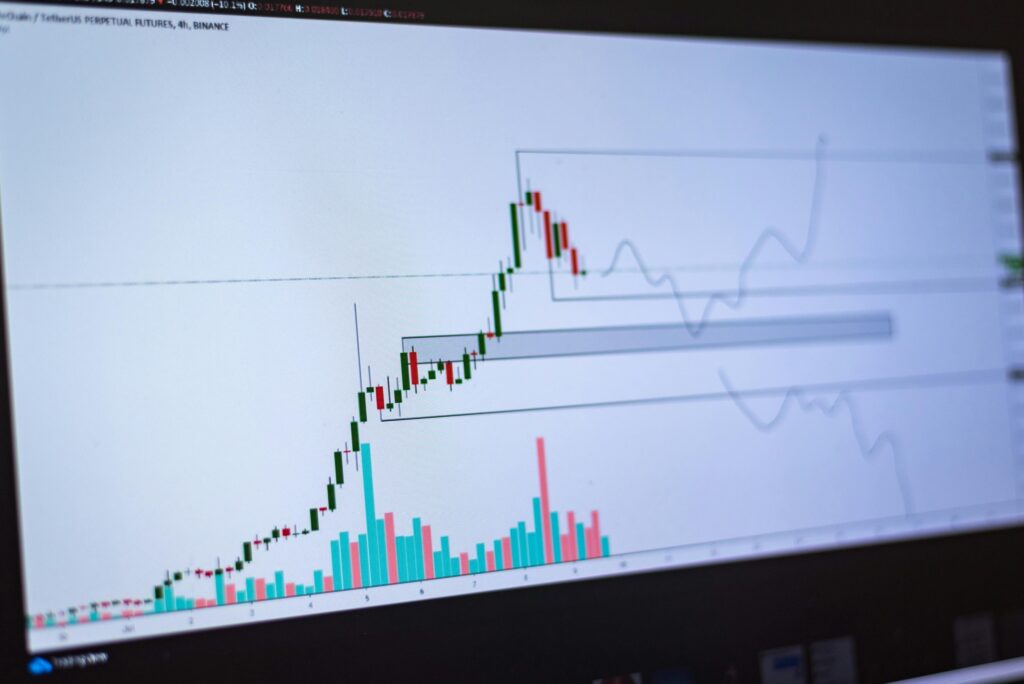
When prices begin to fall, they exit immediately, taking profits or cutting losses. This adds fuel to the fire, deepening the crash and increasing price swings. The dominance of speculative trading over long-term holding makes the entire market unstable.
15. Cyclical Nature of the Market
Finally, it’s important to recognize that crashes are part of crypto’s natural boom-and-bust cycle. Every major bull market is followed by a correction or crash that resets prices. This cycle repeats every few years, often following Bitcoin’s halving events or major technological milestones.
While the immediate crash feels devastating, it’s often a period where the market cleans itself, weak projects disappear, and stronger ones emerge. Historically, after every major crash, the crypto market has eventually recovered sometimes even reaching new all-time highs.
16. What Happens After a Crash?
Crashes, while painful, often serve a purpose. They eliminate excessive speculation, reduce leverage, and help identify which projects truly have value. After the panic subsides, serious investors and developers begin rebuilding.
During these periods:
- Prices stabilize at lower levels.
- Long-term investors accumulate quality assets at discounts.
- New regulations and technologies emerge to strengthen the system.
- Trust is slowly rebuilt as innovation continues.
In the long run, these downcycles prepare the market for the next growth phase.
17. How Investors Can Respond
If you’re an investor caught in the crash, here are a few strategies to consider:
- Don’t panic. Emotional decisions often lead to greater losses.
- Reassess your portfolio. Focus on fundamentally strong projects with real-world use.
- Avoid overleveraging. High leverage increases risk exponentially.
- Stay informed but selective. Don’t let social media hype dictate your decisions.
- Think long-term. Crypto markets are cyclical downturns are temporary.
Those who understand the long-term vision of blockchain technology often view crashes as opportunities rather than disasters.
18. The Silver Lining
While the current market downturn feels severe, it’s not the end of crypto. History shows that every crash has led to a stronger, more mature market afterward. The technology behind cryptocurrencies blockchain, smart contracts, decentralized finance continues to evolve rapidly.
In fact, such corrections are essential to eliminate speculation and refocus attention on innovation and real adoption. The crypto ecosystem becomes healthier when only the strongest and most useful projects survive.
Conclusion
The crypto market crash is the result of multiple interconnected factors from excessive leverage and global uncertainty to market psychology, technical breakdowns, and speculative excesses. While these crashes are painful for investors, they are also part of the natural evolution of a young and dynamic financial system.
Every dip teaches valuable lessons: the importance of patience, diversification, and long-term vision. The truth is, the cryptocurrency market has faced many crashes before and each time, it has come back stronger.
So rather than viewing this crash as the end, it might just be another chapter in the ongoing story of digital finance a story still being written, one block at a time.