
Blog
Why Is the Crypto Market Crashing? A Deep Dive into the Causes and Consequences


he cryptocurrency market, often described as one of the most unpredictable financial spaces in the world, is once again experiencing a massive crash. Prices of major cryptocurrencies like Bitcoin, Ethereum, and other altcoins have plunged dramatically, wiping out billions of dollars from the global market in just a few days. For investors, traders, and even casual followers of the crypto space, this sudden fall raises one pressing question: why is the crypto market crashing?
In this blog, we’ll take a comprehensive look at the multiple factors contributing to the current decline, the psychology driving panic among investors, and what this might mean for the future of digital assets.
1. The Nature of the Crypto Market
Before understanding the reasons behind the crash, it’s essential to remember that the cryptocurrency market has always been highly volatile. Unlike traditional financial systems, crypto assets are not backed by any central authority or tangible asset. Their prices rely heavily on market sentiment, speculation, and demand and supply dynamics.
When the market sentiment turns positive, investors rush to buy, causing prices to soar. However, when fear or uncertainty takes over, those same investors panic-sell resulting in steep declines. This pattern has repeated many times since Bitcoin’s inception, and every major crash has its own combination of triggers.
2. Overleveraging and Liquidations
One of the primary reasons for the latest crash is overleveraging in the crypto market. Many traders borrow money to take larger positions, hoping to multiply their profits when prices rise. This process is called margin trading or leveraged trading.
However, leverage is a double-edged sword. When the market moves in the opposite direction, it triggers mass liquidations, where exchanges automatically sell off traders’ holdings to cover the borrowed amount. This leads to a chain reaction one liquidation causes prices to drop further, which then triggers even more liquidations.

In simple terms, it’s like a domino effect. Once prices start falling, they keep falling faster because of forced selling. This kind of cascading liquidation can erase billions of dollars from the market within hours.
3. Global Economic Uncertainty
The crypto market doesn’t exist in isolation. It’s heavily influenced by global economic conditions. When the world economy faces challenges, investors usually prefer safer assets like gold or government bonds instead of high-risk options such as cryptocurrencies.
Recently, economic uncertainty has increased due to multiple factors: fluctuating interest rates, inflation concerns, trade tensions between major economies, and geopolitical instability. All of these contribute to a “risk-off” sentiment, meaning investors move their money out of risky assets, including crypto, and park it in more stable investments.
This shift in investor behavior causes selling pressure across the Crypto Market Crashing, leading to widespread declines.
4. Profit-Taking by Institutional Investors
Another major contributor to the recent crash is profit-taking by large institutional investors, often called “whales.” These are individuals or organizations holding enormous amounts of cryptocurrency. When prices rise significantly, they begin to sell their holdings to lock in profits.
While that may seem like a logical move for them, it has a serious impact on the market. When whales sell, they release a huge supply of crypto into circulation. With more coins being sold than bought, the price naturally falls. Once smaller investors notice prices dropping, they also start selling out of fear, worsening the decline.
This cycle of whales selling and retail panic creates a sharp and accelerated Crypto Market.
5. Lack of New Investment Inflows
In any financial market, for prices to rise or even stay stable, new money needs to flow in continuously. When enthusiasm fades, and new investors stop entering, the demand side weakens.
After a long bull run, many investors who wanted to enter have already done so. Once prices begin to dip, potential buyers prefer to wait, hoping for even lower prices. This hesitation reduces liquidity and prevents recovery. As a result, the market becomes one-sided dominated by sellers instead of buyers.
This lack of fresh inflows can turn a mild correction into a major crash.
6. Market Psychology and Fear
The cryptocurrency market is not just numbers and charts it’s deeply psychological. Emotions like fear, greed, and uncertainty drive a large portion of trading activity.
When prices begin to fall, fear quickly spreads across social media and news platforms. Negative headlines amplify panic, and investors rush to protect their capital by selling. Even those who believe in the long-term potential of crypto may exit temporarily, hoping to buy back later at lower prices.

This herd mentality where everyone reacts in the same direction magnifies the impact of even small market shifts. The result? Massive, sudden, and sometimes irrational drops.
7. Technical Breakdowns and Crypto Market Crashing
The crypto market also reacts heavily to technical indicators. Many traders rely on price charts and technical analysis to decide when to buy or sell. Key levels such as support and resistance play a vital role.
When a major support level (for example, a key price point for Bitcoin) is broken, it signals weakness to traders. Automated algorithms and bots often execute sell orders once these levels are breached, accelerating the fall. The breaking of long-term moving averages or trendlines further damages investor confidence.
These technical breakdowns often act as self-fulfilling prophecies once traders expect a drop, they sell, which then causes the drop they feared.
8. Regulatory Concerns and Uncertainty
Governments worldwide continue to struggle with how to regulate digital currencies. Every time new regulations or restrictions are announced, the market reacts sharply. Investors fear potential crackdowns on exchanges, mining operations, or crypto taxes.
Uncertainty around the legality or future of cryptocurrencies discourages new investors and prompts existing holders to sell before regulations take effect. Even rumors or speculation about stricter laws can create enough fear to push prices lower.
While regulation can ultimately bring stability and legitimacy to the market, short-term uncertainty often causes negative price reactions.
9. Decline of Altcoins and Speculative Tokens
In every crypto bull run, thousands of smaller “altcoins” and tokens emerge, many with little to no real utility. During a crash, these speculative coins are often the first to collapse.
Investors start pulling out of these high-risk assets to minimize losses, leading to rapid declines of 50% or more. As these smaller coins crash, it impacts the overall sentiment of the market. People begin to doubt the entire crypto ecosystem, including strong projects like Bitcoin or Ethereum.
This widespread loss of confidence amplifies the market-wide downturn.
10. Contagion from Other Financial Markets
Cryptocurrencies are increasingly connected to traditional financial markets. Many institutional investors who hold both stocks and crypto may sell digital assets to cover losses or rebalance their portfolios when the stock market declines.
This creates a contagion effect weakness in one market spreads to another. For example, if tech stocks face a sharp correction, it often spills over into crypto because both are considered risk-heavy sectors.
When global investors become more cautious, crypto becomes one of the first assets to be liquidated, accelerating the crash.
11. Media Influence and Negative Narratives
The media plays a significant role in shaping market sentiment. When the news cycle turns negative with headlines about “crypto crashes,” “market wipeouts,” or “massive losses” it spreads fear among both seasoned and new investors.
Social media amplifies this even further. Tweets, YouTube videos, and online discussions about falling prices can quickly cause panic. In the crypto world, where information spreads instantly, even minor rumors can lead to major market movements.
This information-driven fear can make the market behave irrationally, leading to overreactions and deeper crashes than fundamentals would justify.
12. Weak Fundamentals and Overvaluation
After long bull runs, many cryptocurrencies become overvalued relative to their actual utility or adoption. Investors start paying for hype instead of real-world performance. When enthusiasm fades, prices naturally adjust downward to more realistic levels.
In this phase, projects that lack strong fundamentals or practical use cases often collapse first, dragging the rest of the market with them. It’s a kind of natural correction the market’s way of filtering out weak players.
This “cleansing” process can be painful but is often necessary for long-term health and sustainability.
13. Panic Selling and Lack of Patience Crypto Market Crashing
Retail investors those buying smaller amounts often panic easily. Unlike institutional investors, they may not have long-term strategies or risk management plans. When prices start dropping, fear of losing money leads to panic selling.
This behavior not only locks in losses for individuals but also contributes to a collective downward spiral. The more people sell, the faster prices drop, encouraging even more people to sell — a vicious cycle that only ends when selling pressure exhausts itself.
14. Short-Term Traders and Speculators
Another factor is the rise of short-term traders who enter the market purely for quick profits. These speculators don’t care about blockchain technology or long-term adoption. Their presence increases volatility because they move in and out of positions rapidly.

When prices begin to fall, they exit immediately, taking profits or cutting losses. This adds fuel to the fire, deepening the crash and increasing price swings. The dominance of speculative trading over long-term holding makes the entire market unstable.
15. Cyclical Nature of the Market
Finally, it’s important to recognize that crashes are part of crypto’s natural boom-and-bust cycle. Every major bull market is followed by a correction or crash that resets prices. This cycle repeats every few years, often following Bitcoin’s halving events or major technological milestones.
While the immediate crash feels devastating, it’s often a period where the market cleans itself, weak projects disappear, and stronger ones emerge. Historically, after every major crash, the crypto market has eventually recovered sometimes even reaching new all-time highs.
16. What Happens After a Crash?
Crashes, while painful, often serve a purpose. They eliminate excessive speculation, reduce leverage, and help identify which projects truly have value. After the panic subsides, serious investors and developers begin rebuilding.
During these periods:
- Prices stabilize at lower levels.
- Long-term investors accumulate quality assets at discounts.
- New regulations and technologies emerge to strengthen the system.
- Trust is slowly rebuilt as innovation continues.
In the long run, these downcycles prepare the market for the next growth phase.
17. How Investors Can Respond
If you’re an investor caught in the crash, here are a few strategies to consider:
- Don’t panic. Emotional decisions often lead to greater losses.
- Reassess your portfolio. Focus on fundamentally strong projects with real-world use.
- Avoid overleveraging. High leverage increases risk exponentially.
- Stay informed but selective. Don’t let social media hype dictate your decisions.
- Think long-term. Crypto markets are cyclical downturns are temporary.
Those who understand the long-term vision of blockchain technology often view crashes as opportunities rather than disasters.
18. The Silver Lining
While the current market downturn feels severe, it’s not the end of crypto. History shows that every crash has led to a stronger, more mature market afterward. The technology behind cryptocurrencies blockchain, smart contracts, decentralized finance continues to evolve rapidly.
In fact, such corrections are essential to eliminate speculation and refocus attention on innovation and real adoption. The crypto ecosystem becomes healthier when only the strongest and most useful projects survive.
Conclusion
The crypto market crash is the result of multiple interconnected factors from excessive leverage and global uncertainty to market psychology, technical breakdowns, and speculative excesses. While these crashes are painful for investors, they are also part of the natural evolution of a young and dynamic financial system.
Every dip teaches valuable lessons: the importance of patience, diversification, and long-term vision. The truth is, the cryptocurrency market has faced many crashes before and each time, it has come back stronger.
So rather than viewing this crash as the end, it might just be another chapter in the ongoing story of digital finance a story still being written, one block at a time.

Fashion in 2026 is about thoughtful choices, balance, and timeless elegance. The Spring/Summer 2026 fashion trends are redefining wardrobes with wearable designs that blend comfort, structure, and subtle luxury. After facing fashion industry challenges 2026, designers focused on quality, durability, and refined silhouettes. On the international fashion stage, including Milan Fashion Week 2026, bold creative director debuts and a designer reshuffle showcased fresh visions for SS26 fashion. Meanwhile, luxury fashion 2026 embraces soft textures, layered fabrics, and muted tones instead of loud branding. From relaxed tailoring to tactile materials, this season proves style can be intelligent, versatile, and effortlessly modern, inspiring wardrobes across the USA.
According to the State of Fashion report by Business of Fashion and McKinsey (https://www.businessoffashion.com)
Shop the key Spring/Summer fashion trends
This season, SS26 fashion emphasizes versatility, craftsmanship, and elevated everyday luxury. Designers are mixing textures, colors, and structures to create timeless yet modern outfits. Key pieces include double-breasted blazers, silk trench coats, A-line skirts, and wide-leg trousers. Accessories like silk scarves or luxury combat boots 2026 complete the look.
| Trend | Key Pieces | Materials | Designer/Brand |
|---|---|---|---|
| Blazers | Herringbone blazer, structured blazer | Tweed, bouclé fabric | Chanel SS26, Prada SS26 |
| Outerwear | Leather bomber jacket, silk trench coat | Buttery-soft leather, recycled fibreglass | Bottega Veneta 2026, Dior spring collection |
| Bottoms | Cargo trousers, wide-leg trousers | Suede, satin | Celine spring collection, Proenza Schouler 2026 |
Tip: Pair muted neutrals with statement textures to achieve a polished quiet luxury 2026 look.
Utility dressing
Utility dressing returns with elegance. Practical silhouettes like pocket-laden shorts, cargo jackets, and structured trousers dominate. Designers like Balmain and Lemaire use buttery-soft leather, suede, and tactile fabrics to elevate functionality. This is SS26 fashion at its finest fashionable yet practical.

- Layering ideas: Combine cargo trousers with a tailored blazer or knit polo.
- Footwear: Luxury combat boots or metallic flats highlight the utility aesthetic.
- Why it works: Functional clothing now blends comfort with modern bohemia style.
Utility dressing is perfect for those seeking outfits that are versatile, stylish, and ready for city or weekend adventures.
Literary chic
Literary chic fashion brings back dark academia style with a soft, intellectual twist. Tweed twinsets, knitted polos, A-line skirts, and silk scarves dominate runways like Chanel SS26 and Celine spring collection. This look combines structure with elegance, ideal for a refined yet effortless wardrobe.
- Outfit example: Tweed twinset paired with a silk scarf and wide-leg trousers.
- Accessories: Minimalist leather bag or statement glasses elevate the look.
- Why it matters: Intellectual dressing aligns perfectly with quiet luxury 2026, offering timeless pieces with depth.
This aesthetic is excellent for professionals or anyone wanting smart, versatile outfits for both work and casual settings.
Fashion with feeling
Fashion with feeling is tactile, emotional, and expressive. Designers like Louise Trotter at Bottega Veneta 2026 and Rachel Scott Proenza emphasize texture, color, and personality. Fabrics like recycled fibreglass, bouclé, plush-trimmed leather, and champagne silk make outfits feel alive.
- Example outfit: Flame-colored sweater with white trousers and sporty pumps.
- Purpose: Clothing not only looks good but evokes emotion.
- Tip: Mix textures for depth pair silk-blend satin with grey marl knitwear.
This trend highlights clothing as a sensory experience, allowing wearers to express individuality through SS26 fashion.
visual color palette chart for Spring/Summer fashion trends for quiet luxury 2026. looks.
| Color Name | HEX Code | Description | Usage in SS26 Fashion |
|---|---|---|---|
| Champagne Silk | #F7E7CE | Soft, warm beige | Blouses, satin dresses, trench coats |
| Sea-Glass Green | #A7C7B6 | Muted pastel green | Knitwear, accessories, scarves |
| Burnt Orange | #D2691E | Warm, earthy orange | Layered separates, skirts, statement tops |
| Muted Navy | #3B4C63 | Deep, calm blue | Blazers, wide-leg trousers, outerwear |
| Grey Marl | #B0B0B0 | Light, versatile grey | Knitwear, tweed twinsets, textured fabrics |
| Soft Terracotta | #E2725B | Gentle reddish-brown | Dresses, sandals, handbags |
Lady of leisure
The lady of leisure aesthetic focuses on relaxed elegance. Designers like Maria McManus and Jonathan Anderson use draped maxi dresses, champagne silk, and flowing silhouettes paired with wide-leg trousers.
- Color palette: Soft neutrals, muted greens, terracotta, grey marl knitwear.
- Key pieces: Silk trench coats, knitted cardigans, A-line skirts.
- Styling tip: Layer structured pieces with flowing garments for effortless chic.
This style combines comfort, refinement, and luxury fashion 2026, perfect for relaxed yet polished wardrobes.
Get your insiders guide to what to shop and how to wear it
To embrace Spring/Summer 2026 fashion trends, focus on versatile, timeless pieces:

- Invest in double-breasted blazers, wide-leg trousers, and structured handbags.
- Mix utility dressing with literary chic fashion for modern outfits.
- Layer textured fabrics to add personality and depth.
- Add pops of color like sea-glass green or burnt orange in accessories.
Following these tips ensures your wardrobe reflects the intelligence, elegance, and SS26 fashion style of 2026.
90s fashion lover can love this guide.
Why ’90s Fashion Still Dominates Today’s Style Scene
Conclusion
The Spring/Summer 2026 fashion trends redefine wardrobes in the USA. From utility dressing to literary chic, fashion with feeling, and lady of leisure aesthetic, SS26 emphasizes elegance, comfort, and individuality. Luxury fashion 2026 prioritizes tactile fabrics, subtle textures, and timeless pieces over flashy logos. By combining versatile staples, layered textures, and statement accessories, your wardrobe can be functional, stylish, and reflective of SS26 fashion trends. Embrace these looks to create outfits that feel modern, expressive, and effortlessly polished.
FAQ
Q: What is the color of Spring Summer 2026?
The Spring Summer 2026 color trend features soft neutrals, warm earth tones, and muted pastels. Shades like champagne silk, sea-glass green, and burnt orange dominate runways.
Q: What is 2026 color of the year fashion?
The 2026 color of the year emphasizes calm sophistication, often described as a versatile beige or soft amber tone. It works well in luxury fashion 2026 and everyday wear.
Q: What does the color look like for 2026?
The 2026 color appears warm, subtle, and adaptable, blending effortlessly with other muted tones. It gives outfits a refined and modern feel without overpowering.
Q: What is the color theme of the year 2026?
The color theme combines natural shades with quiet luxury aesthetics, focusing on timeless elegance. Think soft neutrals, gentle greens, and warm earthy hues.
Q: What is the color palette trend for 2026?
The color palette trend includes champagne silk, muted navy, olive green, grey marl, and soft terracotta. It’s designed to mix and match easily across SS26 fashion trends.

Traveling is one of life’s greatest pleasures, but for many people, the planning, packing, and logistics can turn excitement into stress. This is where CWBiancaVoyage steps in. Designed for modern travelers who want smooth, simple, and enjoyable journeys, CWBiancaVoyage focuses on making travel easy from start to finish.
Whether you are a solo explorer, a family traveler, or someone who loves short weekend getaways, CWBiancaVoyage helps you travel smarter, lighter, and happier. This guide explains what CWBiancaVoyage is, how it works, and why it has become a trusted name for stress-free adventures.
What Is CWBiancaVoyage
CWBiancaVoyage is a travel-focused platform and philosophy centered around easy travel planning and relaxed exploration. Instead of overwhelming travelers with complex itineraries, it emphasizes simplicity, comfort, and practical travel solutions.
The goal is not just to visit destinations, but to enjoy the journey itself. It promotes mindful travel, smart planning, and realistic expectations, helping travelers avoid burnout and enjoy every moment.
Why Stress-Free Travel Matters
Travel stress can come from many sources such as tight schedules, overpacking, unclear plans, or unexpected expenses. When stress takes over, the joy of travel disappears.
Stress-free travel matters because it
- Improves mental well-being
- Allows deeper cultural experiences
- Saves time and money
- Makes trips more memorable
- Helps travelers stay flexible and calm
It understands that a relaxed traveler enjoys more and worries less.
The CWBiancaVoyage Travel Philosophy
CWBiancaVoyage is built on a few simple principles that guide every trip.

Travel Light and Smart
Overpacking is one of the biggest causes of travel stress. CWBiancaVoyage promotes packing essentials only, choosing versatile clothing, and using smart luggage solutions.
Plan Enough but Not Too Much
Instead of planning every minute, it suggests creating a flexible outline. This allows room for rest, exploration, and unexpected discoveries.
Comfort Over Rush
Rushing from one attraction to another leads to exhaustion. It encourages travelers to slow down, enjoy fewer places deeply, and prioritize comfort.
Local Experiences Matter
Rather than only tourist spots, It highlights local food, culture, and hidden gems that create authentic memories.
How CWBiancaVoyage Helps Travelers
It supports travelers at every stage of the journey.
Easy Destination Planning
Choosing a destination becomes simple with curated travel ideas based on comfort, budget, and travel style. Whether you want beaches, cities, or nature, CWBiancaVoyage offers clear guidance.
Simple Itineraries
Instead of complicated schedules, It promotes easy-to-follow itineraries that leave room for rest and spontaneity.
Smart Packing Tips
From capsule wardrobes to travel-size essentials,It helps travelers pack efficiently without stress.
Budget-Friendly Advice
Stress often comes from money worries. It shares practical tips to manage travel costs, avoid hidden fees, and enjoy experiences without overspending.
Who CWBiancaVoyage Is For
It is ideal for a wide range of travelers.
- First-time travelers who feel overwhelmed
- Busy professionals with limited vacation time
- Families who want smooth and organized trips
- Solo travelers seeking confidence and simplicity
- Digital nomads who value comfort and balance
No matter your travel style, CWBiancaVoyage adapts to your needs.
Travel Planning Made Simple
Planning is often the most stressful part of travel. CWBiancaVoyage simplifies this by focusing on essentials.
Choosing the Right Time to Travel
Traveling during off-peak seasons reduces crowds, costs, and stress. CWBiancaVoyage encourages flexible travel dates for a calmer experience.
Booking Accommodation Wisely
Comfortable accommodation can make or break a trip. CWBiancaVoyage suggests choosing locations close to key attractions or transport hubs to save time and energy.
Transportation Without Hassle
Understanding local transport options in advance helps avoid confusion. CWBiancaVoyage emphasizes researching transport basics before arrival.
Stress-Free Travel Tips from CWBiancaVoyage
Here are some practical tips inspired by the CWBiancaVoyage approach.
- Always keep digital copies of important documents
- Arrive at airports early to avoid panic
- Keep daily plans realistic and flexible
- Stay hydrated and rest regularly
- Accept that not everything will go perfectly
Travel becomes enjoyable when you let go of unnecessary pressure.
The Role of Mindset in Easy Travel
CWBiancaVoyage strongly believes that stress-free travel starts with the right mindset.

Instead of chasing perfection, travelers are encouraged to embrace imperfections. Missed trains, weather changes, or minor delays become part of the story rather than problems.
A calm mindset allows travelers to adapt, learn, and enjoy the experience fully.
Sustainable and Responsible Travel
CWBiancaVoyage also supports responsible tourism.
- Respecting local cultures and traditions
- Supporting local businesses
- Reducing waste while traveling
- Choosing eco-friendly transport when possible
Stress-free travel is not just about personal comfort but also about leaving a positive impact.
How CWBiancaVoyage Enhances Travel Experiences
Travel should refresh you, not exhaust you. CWBiancaVoyage enhances experiences by focusing on quality over quantity.
Instead of rushing through ten attractions, travelers are encouraged to spend time connecting with places and people. This approach leads to meaningful memories and less fatigue.
The Future of Easy Travel
As travel trends evolve, more people are choosing slower, smarter journeys. CWBiancaVoyage aligns perfectly with this future.
Modern travelers want balance, wellness, and authenticity. CWBiancaVoyage continues to inspire journeys that are enjoyable, manageable, and deeply fulfilling.
Final Thoughts
CWBiancaVoyage is more than a travel guide. It is a reminder that travel should feel exciting, not exhausting. By focusing on simplicity, comfort, and mindful planning, CWBiancaVoyage helps travelers rediscover the joy of exploring the world.
If you want travel experiences that leave you refreshed rather than stressed, CWBiancaVoyage is the perfect guide for your next adventure.
FAQ Section
What is CWBiancaVoyage?
CWBiancaVoyage is a travel-focused concept that helps travelers plan easy, comfortable, and stress-free trips through smart planning and mindful travel tips
Is CWBiancaVoyage suitable for first-time travelers?
Yes CWBiancaVoyage is especially helpful for first-time travelers who feel overwhelmed by planning and logistics
Does CWBiancaVoyage focus on luxury travel?
No CWBiancaVoyage focuses on comfort and simplicity rather than luxury making it suitable for all budgets
Can CWBiancaVoyage help with solo travel?
Yes CWBiancaVoyage provides practical advice and confidence-building tips for solo travelers
How does CWBiancaVoyage reduce travel stress?
CWBiancaVoyage reduces stress by promoting light packing flexible itineraries smart budgeting and a calm travel mindset
Is CWBiancaVoyage useful for family travel?
Yes families benefit from CWBiancaVoyage’s organized planning and comfort-focused approach

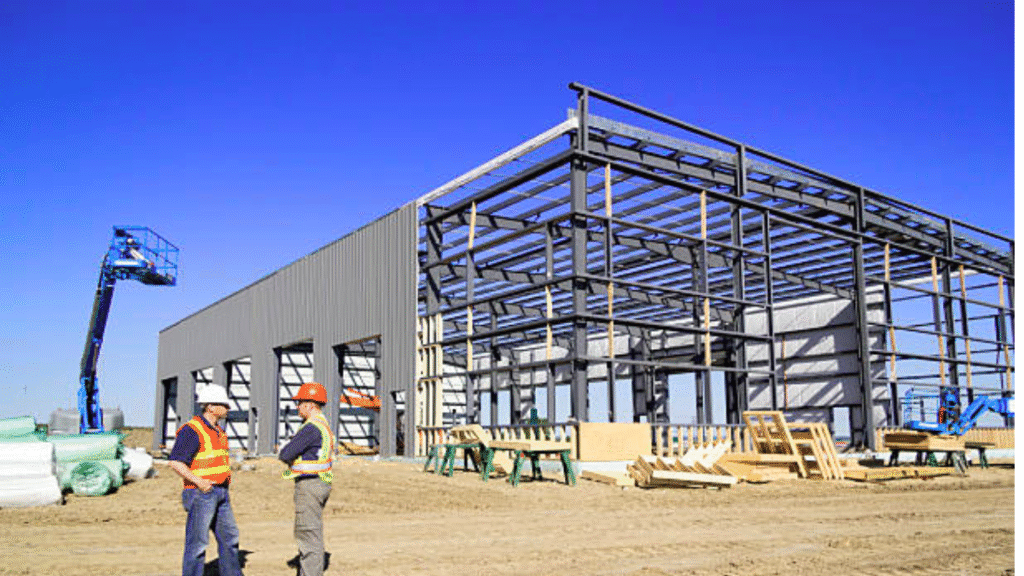
Legal disputes in the construction and manufacturing industry often raise important questions about business practices, contract obligations, and customer trust. One such case that has attracted attention is the Great Western Buildings lawsuit. While many people search for quick answers, the topic deserves a deeper explanation to understand what led to the lawsuit, its broader impact, and the lessons it offers for the construction and metal building industry.
This article explains the Great Western Buildings lawsuit, including its possible causes, effects on customers and the industry, and the key takeaways businesses and consumers should learn from it.
Understanding Great Western Buildings
Great Western Buildings is a company associated with the metal and steel building industry, a sector known for providing pre-engineered structures for agricultural, commercial, and industrial use. Companies in this space typically offer services such as:
- Steel building manufacturing
- Custom building design
- Delivery and installation support
- Long-term warranties and maintenance guidance
Like many construction-related businesses, Great Western Buildings operated in a competitive environment where contracts, timelines, and quality standards are critical.
What Is the Great Western Buildings Lawsuit?
The Great Western Buildings lawsuit refers to legal claims involving disputes over business practices, contractual obligations, or project execution. Lawsuits of this nature often arise when one or more parties believe that agreements were not honored or expectations were not met.
Although lawsuits can involve multiple claims and perspectives, they generally revolve around issues such as:
- Contract disputes
- Alleged construction defects
- Project delays
- Financial disagreements
- Warranty or service-related concerns
It is important to note that lawsuits do not automatically imply wrongdoing. They are part of the legal system’s process for resolving disputes between parties.
Common Causes Behind Construction Lawsuits
To understand the Great Western Buildings lawsuit more clearly, it helps to look at common causes of lawsuits in the construction and building industry.
1. Contractual Disputes
Contracts define scope, cost, materials, timelines, and responsibilities. Lawsuits often arise when:

- Terms are unclear
- Deadlines are missed
- Payment schedules are disputed
Even small ambiguities can lead to major legal disagreements.
2. Quality and Construction Standards
Customers may raise legal concerns if they believe:
- Materials were substandard
- Workmanship did not meet industry standards
- The finished structure differed from agreed specifications
Quality-related disputes are among the most frequent in construction litigation.
3. Delays and Project Management Issues
Construction projects are time-sensitive. Delays caused by:
- Supply chain disruptions
- Labor shortages
- Poor coordination
can result in financial losses, leading affected parties to seek legal remedies.
4. Warranty and Post-Construction Support
Many building companies offer warranties. Disputes can arise when:
- Repairs are delayed or denied
- Warranty terms are misunderstood
- Responsibilities are disputed
These issues often escalate when communication breaks down.
Impact of the Great Western Buildings Lawsuit
Impact on Customers
Customers involved in or affected by legal disputes may face:
- Project delays
- Financial uncertainty
- Difficulty reselling or refinancing properties
- Stress related to unresolved claims
Even customers not directly involved may become cautious when researching the company.
Impact on the Company
For businesses, lawsuits can lead to:
- Legal expenses
- Reputational challenges
- Operational disruptions
- Increased regulatory scrutiny
Public perception plays a major role, especially in industries that rely on trust and long-term client relationships.
Impact on the Construction Industry
High-profile lawsuits often influence the broader industry by:
- Encouraging stricter contract standards
- Improving transparency
- Raising awareness about compliance and quality control
While legal disputes are disruptive, they can also push industries toward better practices.
How Lawsuits Affect Brand Reputation
In the digital age, news about lawsuits spreads quickly. Search results, online reviews, and social media discussions can shape public opinion long before a case is resolved.
For construction companies, reputation matters because:
- Projects involve large financial investments
- Clients rely heavily on trust
- Referrals play a major role in growth
This is why many companies now invest heavily in legal compliance, customer communication, and dispute prevention.
Legal Perspective: Why Construction Lawsuits Are Complex
Construction lawsuits are often complex due to:
- Multiple parties (manufacturers, contractors, subcontractors, clients)
- Technical engineering details
- Long project timelines
- Overlapping responsibilities
Courts usually rely on contracts, expert testimony, and documentation to determine outcomes. This complexity means cases can take months or even years to resolve.
Lessons for Businesses from the Great Western Buildings Lawsuit
1. Clear and Detailed Contracts
Contracts should:
- Use plain language
- Clearly define responsibilities
- Outline dispute resolution methods
Clear contracts reduce misunderstandings and legal risks.
2. Strong Quality Control
Regular inspections, material verification, and documented processes help prevent quality-related disputes.
3. Transparent Communication
Many lawsuits escalate due to poor communication. Keeping clients informed about delays, changes, or challenges builds trust and reduces conflict.
4. Proper Documentation
Maintaining records of:
- Emails
- Change orders
- Inspections
- Payments
can be crucial if disputes arise.
Lessons for Customers and Buyers
Customers can also reduce risk by:
- Carefully reviewing contracts
- Asking questions before signing
- Keeping written records
- Understanding warranty terms
An informed customer is better prepared to handle potential issues.
Is a Lawsuit the End of a Company?
Not necessarily. Many companies:
- Resolve disputes
- Improve operations
- Rebuild trust
A lawsuit can be a turning point rather than an endpoint, depending on how a company responds.
The Bigger Picture: Industry Accountability
Cases like the Great Western Buildings lawsuit highlight the importance of:
- Ethical business practices
- Accountability
- Legal compliance
They remind both companies and customers that transparency and fairness are essential in long-term business success.
Final Thoughts
The Great Western Buildings lawsuit serves as an important example of how legal disputes can arise in the construction and metal building industry. While lawsuits are complex and often misunderstood, they offer valuable lessons about contracts, communication, quality, and trust.
For businesses, the case underscores the importance of strong operational standards and legal preparedness. For customers, it highlights the value of due diligence and informed decision-making. Ultimately, such cases push the industry toward higher standards and better practices.
Frequently Asked Questions
What the Great Western Buildings lawsuit is about?
The Great Western Buildings lawsuit involves legal disputes related to contracts, project execution, quality concerns, or service issues commonly seen in the construction and metal building industry.
Whether a lawsuit means Great Western Buildings acted illegally?
A lawsuit does not automatically mean wrongdoing. It represents a legal claim or dispute, and responsibility is determined only after court decisions or settlements.
How construction lawsuits usually begin?
Construction lawsuits typically begin due to contract disagreements, project delays, quality or material concerns, payment disputes, or warranty-related issues.
How lawsuits can affect customers not directly involved?
Even customers not part of the lawsuit may experience indirect effects such as delayed projects, reduced confidence, or changes in company operations.
Whether construction lawsuits are common?
Yes, construction lawsuits are relatively common due to the complexity, cost, and long timelines involved in building projects.
What businesses can do to avoid similar lawsuits?
Businesses can reduce legal risks by using clear contracts, maintaining strong quality control, communicating transparently with clients, and keeping detailed documentation.
Whether customers should avoid companies involved in lawsuits?
Customers should research the situation carefully, review outcomes, and evaluate how the company addresses issues before making a decision.


How to Remove a Virus from Android (Complete Guide 2026)

Spring/Summer 2026 Fashion Trends You Can Shop Now

How to Detect and Remove Spyware From an Android Phone 2026


-

 How-to1 year ago
How to Screenshot on Mac: The Complete 2026 Guide
-

 Blog1 year ago
Why ’90s Fashion Still Dominates Today’s Style Scene
-

 Blog1 year ago
Reddit Politics in 2026: How Online Political Discourse Shapes Opinions
-

 How-to1 year ago
How to Restore Pantone Colors in New Illustrator Versions (2026 Guide)
-

 Blog1 year ago
Top Fashion Trends to Follow in August 2025