Blog
Why ’90s Fashion Still Dominates Today’s Style Scene
Key Takeaways
- The ’90s weren’t just a fashion decade they introduced a mindset built around comfort, confidence, and authenticity.
- Oversized silhouettes, minimalism, and street culture didn’t return as trends; they returned as standards.
- Modern fashion keeps borrowing from the ’90s because the era prioritized real-life wearability, not fantasy dressing.
- Gen Z adoption proves that ’90s style isn’t nostalgia-driven it’s future-proof.
- Brands don’t copy the ’90s; they remix it to fit today’s lifestyles, technology, and values.
’90s styles like minimalist elegance, grunge layers, and streetwear continue to surge in popularity this year, blending nostalgia with modern twists.Gen Z and millennials drive demand through celebrities like Billie Eilish and Hailey Bieber, boosting sales for brands like Champion and Abercrombie & Fitch.
90s Trends Still Dominating
1. Comfort Became Cool (And Never Left)
The ’90s quietly rebelled against stiff fashion rules. Oversized silhouettes, relaxed fits, and soft fabrics weren’t about looking polished they were about feeling real.
Today’s love for:
- Baggy jeans
- Loose hoodies
- Relaxed blazers
…is directly borrowed from that era. Modern fashion just gave it a cleaner filter.
Why it still dominates:
People no longer dress to impress systems they dress to survive busy lives. The ’90s understood that early.
2. Minimalism With Attitude
Unlike flashy ’80s glam, the ’90s introduced effortless minimalism plain tees, neutral tones, simple cuts but with a subtle edge.
You see it today in:
- Capsule wardrobes
- Clean makeup looks
- Neutral streetwear
This isn’t boring minimalism. It’s quiet confidence.
Why it still works:
In a noisy digital world, simplicity feels powerful.
3. Street Culture Went Mainstream
Skate style, hip-hop fashion, and underground aesthetics ruled the ’90s streets before luxury brands noticed.
Fast forward to today:
- Sneakers are luxury
- Streetwear is runway-approved
- Casual fits dominate high fashion
The lines between “street” and “elite” disappeared and they’re not coming back.
4. Analog Vibes in a Digital World
Cassette aesthetics, film grain visuals, vintage fonts these aren’t accidents. They’re emotional.
The ’90s were the last era before life went fully digital, and people crave that human imperfection.
That’s why:
- Film cameras are trending
- Retro logos are everywhere
- “Low-fi” aesthetics feel premium
The trend isn’t old it’s comforting.
5. Individuality Over Perfection
The ’90s celebrated being different. Unmatched outfits, bold expressions, personal style over rules.
That same mindset fuels today’s:
- Gender-fluid fashion
- DIY content culture
- Personal branding over trends
Perfection is exhausting. Personality isn’t.
6. Music, Media & Mood Are Still ’90s-Coded
From R&B samples to gritty storytelling, today’s music and shows borrow heavily from ’90s emotion-driven content.
It wasn’t about algorithms it was about feeling something.
And guess what? That still sells.

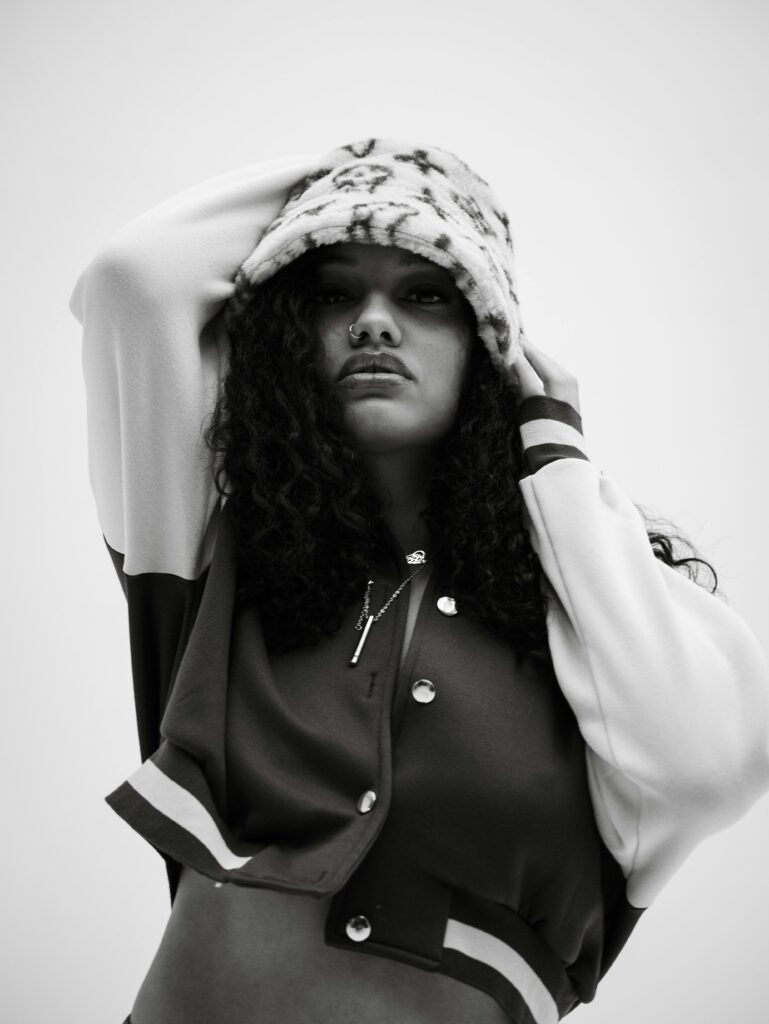
Enduring Appeal: Why the ’90s Are Here to Stay
The ’90s continue to dominate fashion because they solved a problem that still exists today: how to look good without trying too hard. In an age of fast trends and digital pressure, the relaxed confidence of ’90s style feels like a reset button.
This era normalized imperfection, celebrated individuality, and made comfort fashionable long before it became a global demand. Its aesthetics adapt easily whether through modern tailoring, sustainable fabrics, or digital-first branding making it endlessly reusable.
The truth is simple:
Fashion moves forward, but it keeps circling back to what works.
And the ’90s work every generation, every time.
Final Thoughts
The return of ’90s fashion in 2025 isn’t just about nostalgia. It’s about individuality, reinvention, and a celebration of style that was bold, expressive, and unafraid. Whether you lived it the first time or are discovering it now, the ’90s are alive and well in closets around the world.
Frequently Asked Questions (FAQs)
Why are ’90s trends still popular today?
’90s trends remain popular because they focus on comfort, simplicity, and individuality. These qualities fit perfectly with modern lifestyles, where people value personal expression over strict fashion rules.
Which ’90s fashion trends are still dominating?
Oversized clothing, baggy jeans, minimalist outfits, sneakers, denim-on-denim, and streetwear styles from the ’90s are still widely worn and frequently reintroduced by modern fashion brands.
Are ’90s trends popular with Gen Z or only millennials?
’90s trends are highly popular with Gen Z as well. Many Gen Z consumers see the ’90s as a “cool vintage era” and embrace its relaxed fashion, analog aesthetics, and anti-perfection mindset.
Why do fashion trends from the ’90s feel timeless?
’90s trends feel timeless because they are practical, versatile, and emotionally relatable. Instead of focusing on excess, the era emphasized wearable styles that adapt easily to different generations.
How are brands using ’90s trends today?
Modern brands remix ’90s trends by updating cuts, fabrics, and colors while keeping the original relaxed vibe. This approach allows them to attract both nostalgic buyers and new audiences.
Is the return of ’90s trends just nostalgia marketing?
Not entirely. While nostalgia plays a role, the real reason ’90s trends last is their functionality. Comfort-driven fashion, minimalism, and street culture are still relevant in today’s fast-paced world.
Will ’90s trends disappear again?
Unlikely. Instead of disappearing, ’90s trends continue to evolve. They resurface in new forms every few years, adapting to current cultural and technological changes.
Are ’90s trends suitable for everyday wear?
Yes. One reason for their long-lasting popularity is that ’90s-inspired styles are easy to wear daily, comfortable, and suitable for casual, work, and street-style outfits.
Jawn Staff
July 7, 2017 at 2:50 pm
Quis autem vel eum iure reprehenderit qui in ea voluptate velit esse quam nihil molestiae consequatur, vel illum qui dolorem eum fugiat quo voluptas nulla pariatur.