Health, Wellness & Mental Well-Being
The New Anatomy of Healthcare: How Innovation is Redefining the Future of Medicine
The healthcare industry is undergoing a massive transformation one that is being shaped by technology, data, and a deeper focus on patient-centered care. The “new anatomy of healthcare” is no longer limited to hospitals, doctors, and medicines; it’s a vast ecosystem powered by artificial intelligence, wearable devices, personalized treatment, and preventive health strategies. Let’s explore how the modern landscape of healthcare is evolving and what it means for patients, providers, and the world at large.
1. From Treatment to Prevention
Traditionally, healthcare focused on curing diseases after they appeared. The new model emphasizes preventive care stopping diseases before they start.
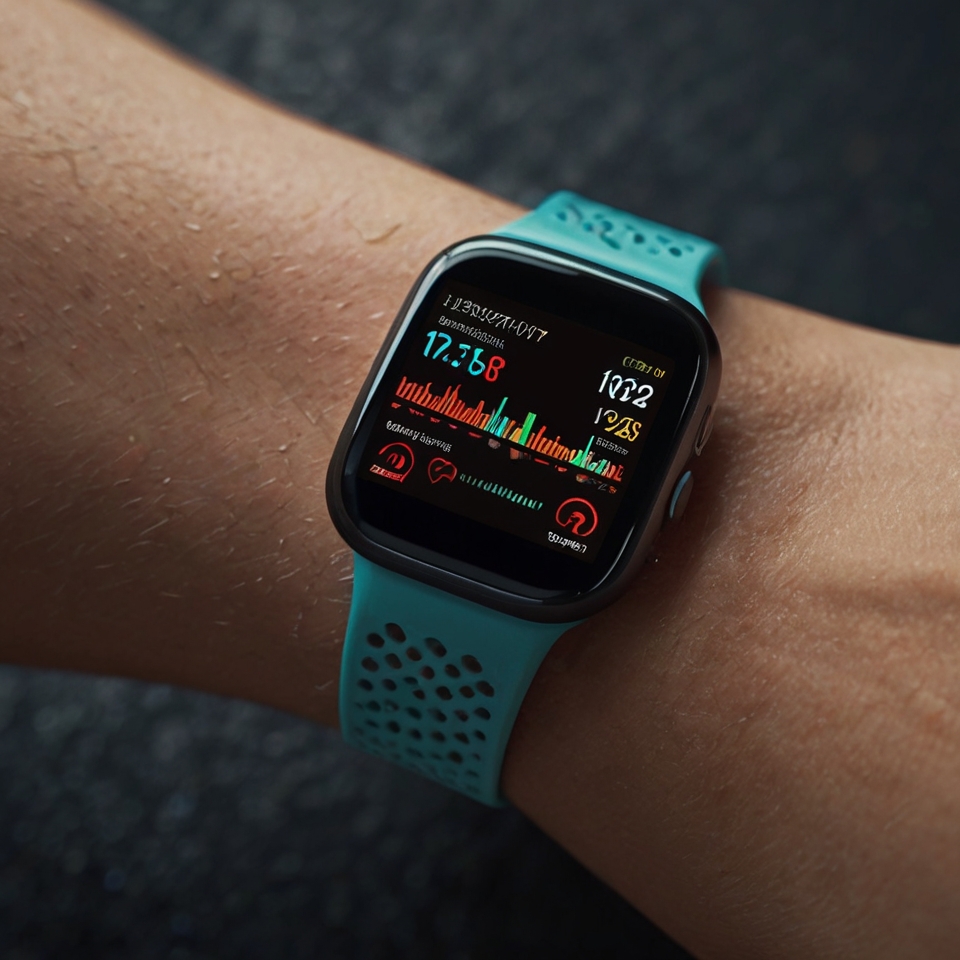
- Wearable devices like smartwatches and fitness trackers now monitor heart rate, sleep patterns, and even oxygen levels, alerting users to early signs of illness.
- Genomic testing helps identify genetic risks so people can make lifestyle changes early.
- Public health campaigns and digital tools promote wellness, nutrition, and fitness, shifting the focus from “sick care” to “health care.”
2. The Rise of Telemedicine
Telemedicine has become one of the cornerstones of the new healthcare anatomy.

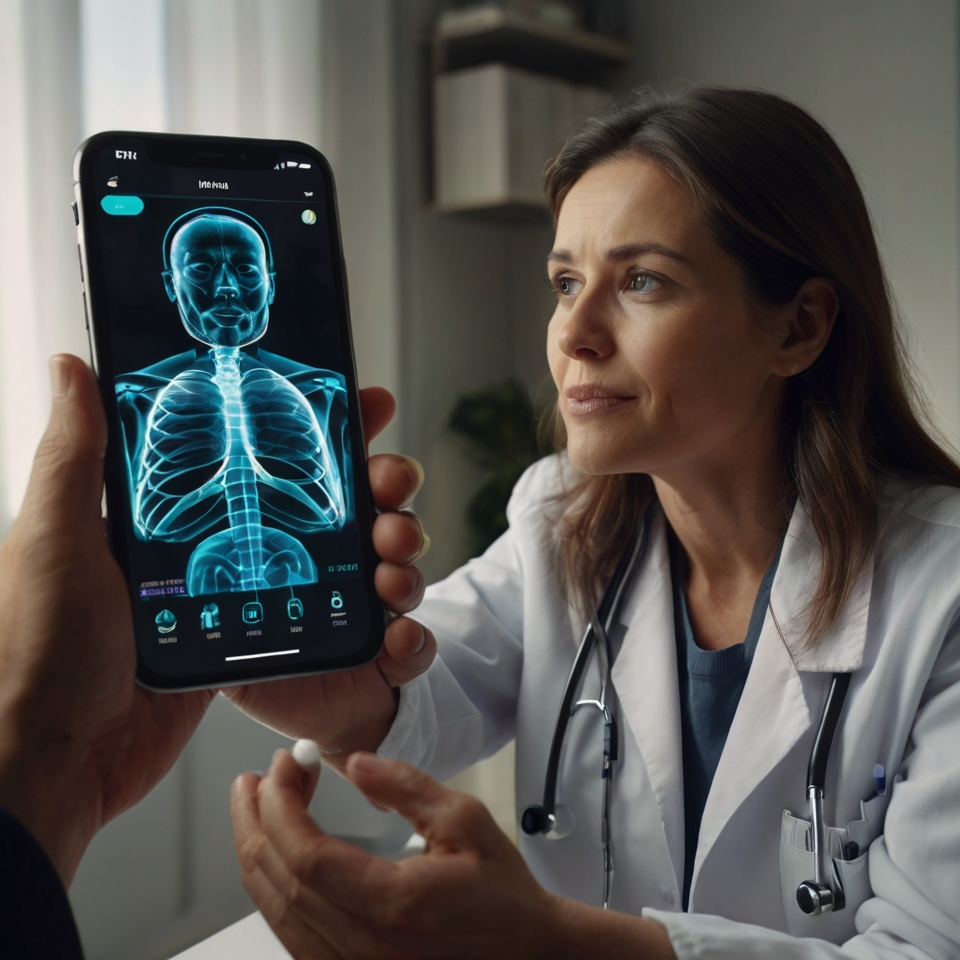
- Patients can consult with doctors virtually using video calls or mobile apps, eliminating the need for physical visits.
- This innovation has improved access to care for people in rural or underserved areas.
- Remote monitoring allows doctors to track chronic conditions like diabetes or hypertension from afar.
Telehealth also reduces costs for both patients and healthcare providers, making care more efficient and scalable.
3. Artificial Intelligence and Data-Driven Medicine
AI is transforming every layer of healthcare from diagnosis to drug discovery.

- AI-powered imaging tools can detect tumors, fractures, or infections faster and more accurately than human eyes.
- Predictive analytics help hospitals manage patient loads and predict outbreaks.
- Machine learning models assist in creating personalized treatment plans by analyzing patient history, lifestyle, and genetics.
Data-driven healthcare ensures faster decisions, fewer errors, and more effective outcomes.
4. Personalized and Precision Medicine
No two patients are exactly alike and medicine is finally catching up to that fact.
- Precision medicine uses genetic and molecular information to tailor treatments for individuals.
- Cancer therapies, for instance, are increasingly designed based on the patient’s unique tumor profile.
- AI algorithms can identify which drugs are most likely to work for a specific person, reducing side effects and trial-and-error prescriptions.
This marks a new era where treatments are not one-size-fits-all but designed for “the patient, not the population.”
5. Digital Health Records and Interconnected Systems
Paper files are history. The modern healthcare anatomy relies on electronic health records (EHRs) that store and share information securely across hospitals, clinics, and pharmacies.
- Patients have more control and transparency over their medical data.
- Interconnected systems mean faster diagnosis and better coordination among specialists.
- Cloud computing ensures that critical information is available anytime, anywhere.
However, it also raises questions about privacy, cybersecurity, and data ownership, making security innovation a vital part of healthcare’s future.
6. Robotics and Automation
Robotics is another revolutionary organ in healthcare’s new anatomy.
- Robotic surgery allows for more precise, minimally invasive procedures.
- Automation helps laboratories handle large volumes of tests quickly and accurately.
- Robot assistants can support elderly patients, deliver medicines, and even help with physiotherapy.
This technology enhances precision, reduces human error, and expands the capacity of medical professionals.
7. Mental Health Takes Center Stage
The new healthcare landscape recognizes that mental health is just as vital as physical health.
- Online therapy platforms and mental wellness apps have made support more accessible.
- Schools and workplaces are integrating mental health programs to reduce stigma.
- AI-driven chatbots now provide round-the-clock counseling support and crisis management.
Emphasizing mental well-being represents a holistic approach treating the body and mind together.
8. Value-Based Care Over Volume-Based Care
The older model of healthcare rewarded quantity more tests, more procedures. The new model emphasizes value-based care, rewarding outcomes instead of outputs.
9. Global Collaboration and Health Equity
The COVID-19 pandemic revealed how interconnected global health truly is.
- Now, global institutions and governments are investing in pandemic preparedness, data sharing, and vaccine research.
- Efforts to reduce healthcare disparities ensure that innovations reach low-income and remote populations too.
- Mobile clinics, low-cost diagnostics, and open-source research are bridging the gap between rich and poor nations.
Equity and access are becoming core pillars of the modern health structure.
10. The Future: Integrating Technology with Humanity
As we embrace automation and AI, the biggest challenge is to keep empathy and ethics at the heart of care.
- Technology can diagnose faster, but only humans can comfort.
- AI can predict illness, but compassion heals the spirit.
The healthcare system of the future must balance innovation with human connection, ensuring that progress never replaces the personal touch that defines true healing.
Conclusion
The new anatomy of healthcare is an intricate system one powered by data, shaped by innovation, and driven by empathy. It is not just about curing disease anymore; it’s about empowering individuals to live healthier, longer, and more fulfilling lives.
As we look ahead, the fusion of technology, science, and humanity promises a future where healthcare is more personal, predictive, and preventive a future where everyone, everywhere, has the chance to thrive.