
Health, Wellness & Mental Well-Being
The New Anatomy of Healthcare: How Innovation is Redefining the Future of Medicine


The healthcare industry is undergoing a massive transformation one that is being shaped by technology, data, and a deeper focus on patient-centered care. The “new anatomy of healthcare” is no longer limited to hospitals, doctors, and medicines; it’s a vast ecosystem powered by artificial intelligence, wearable devices, personalized treatment, and preventive health strategies. Let’s explore how the modern landscape of healthcare is evolving and what it means for patients, providers, and the world at large.
1. From Treatment to Prevention
Traditionally, healthcare focused on curing diseases after they appeared. The new model emphasizes preventive care stopping diseases before they start.
- Wearable devices like smartwatches and fitness trackers now monitor heart rate, sleep patterns, and even oxygen levels, alerting users to early signs of illness.
- Genomic testing helps identify genetic risks so people can make lifestyle changes early.
- Public health campaigns and digital tools promote wellness, nutrition, and fitness, shifting the focus from “sick care” to “health care.”
2. The Rise of Telemedicine
Telemedicine has become one of the cornerstones of the new healthcare anatomy.

- Patients can consult with doctors virtually using video calls or mobile apps, eliminating the need for physical visits.
- This innovation has improved access to care for people in rural or underserved areas.
- Remote monitoring allows doctors to track chronic conditions like diabetes or hypertension from afar.
Telehealth also reduces costs for both patients and healthcare providers, making care more efficient and scalable.
3. Artificial Intelligence and Data-Driven Medicine
AI is transforming every layer of healthcare from diagnosis to drug discovery.

- AI-powered imaging tools can detect tumors, fractures, or infections faster and more accurately than human eyes.
- Predictive analytics help hospitals manage patient loads and predict outbreaks.
- Machine learning models assist in creating personalized treatment plans by analyzing patient history, lifestyle, and genetics.
Data-driven healthcare ensures faster decisions, fewer errors, and more effective outcomes.
4. Personalized and Precision Medicine
No two patients are exactly alike and medicine is finally catching up to that fact.
- Precision medicine uses genetic and molecular information to tailor treatments for individuals.
- Cancer therapies, for instance, are increasingly designed based on the patient’s unique tumor profile.
- AI algorithms can identify which drugs are most likely to work for a specific person, reducing side effects and trial-and-error prescriptions.
This marks a new era where treatments are not one-size-fits-all but designed for “the patient, not the population.”
5. Digital Health Records and Interconnected Systems
Paper files are history. The modern healthcare anatomy relies on electronic health records (EHRs) that store and share information securely across hospitals, clinics, and pharmacies.
- Patients have more control and transparency over their medical data.
- Interconnected systems mean faster diagnosis and better coordination among specialists.
- Cloud computing ensures that critical information is available anytime, anywhere.
However, it also raises questions about privacy, cybersecurity, and data ownership, making security innovation a vital part of healthcare’s future.
6. Robotics and Automation
Robotics is another revolutionary organ in healthcare’s new anatomy.
- Robotic surgery allows for more precise, minimally invasive procedures.
- Automation helps laboratories handle large volumes of tests quickly and accurately.
- Robot assistants can support elderly patients, deliver medicines, and even help with physiotherapy.
This technology enhances precision, reduces human error, and expands the capacity of medical professionals.
7. Mental Health Takes Center Stage
The new healthcare landscape recognizes that mental health is just as vital as physical health.
- Online therapy platforms and mental wellness apps have made support more accessible.
- Schools and workplaces are integrating mental health programs to reduce stigma.
- AI-driven chatbots now provide round-the-clock counseling support and crisis management.
Emphasizing mental well-being represents a holistic approach treating the body and mind together.
8. Value-Based Care Over Volume-Based Care
The older model of healthcare rewarded quantity more tests, more procedures. The new model emphasizes value-based care, rewarding outcomes instead of outputs.

9. Global Collaboration and Health Equity
The COVID-19 pandemic revealed how interconnected global health truly is.
- Now, global institutions and governments are investing in pandemic preparedness, data sharing, and vaccine research.
- Efforts to reduce healthcare disparities ensure that innovations reach low-income and remote populations too.
- Mobile clinics, low-cost diagnostics, and open-source research are bridging the gap between rich and poor nations.
Equity and access are becoming core pillars of the modern health structure.
10. The Future: Integrating Technology with Humanity
As we embrace automation and AI, the biggest challenge is to keep empathy and ethics at the heart of care.
- Technology can diagnose faster, but only humans can comfort.
- AI can predict illness, but compassion heals the spirit.
The healthcare system of the future must balance innovation with human connection, ensuring that progress never replaces the personal touch that defines true healing.
Conclusion
The new anatomy of healthcare is an intricate system one powered by data, shaped by innovation, and driven by empathy. It is not just about curing disease anymore; it’s about empowering individuals to live healthier, longer, and more fulfilling lives.
As we look ahead, the fusion of technology, science, and humanity promises a future where healthcare is more personal, predictive, and preventive a future where everyone, everywhere, has the chance to thrive.



Living a healthy lifestyle starts with the right nutrition, and protein plays a vital role in keeping the body strong, active, and balanced. Many people believe that protein mainly comes from meat, but this is a myth. A well-planned vegetarian diet can provide all the protein your body needs for energy, muscle strength, and overall wellness. High-protein vegetarian foods are not only nutritious but also support long-term healthy living.
In this article, we will explore why protein is important, the best high-protein vegetarian foods, and how you can include them in your daily meals to maintain a healthy lifestyle.
Why Protein Is Important for Healthy Living
Protein is one of the most important macronutrients required by the human body. It is responsible for building and repairing tissues, supporting muscle growth, and maintaining healthy skin, hair, and nails. Protein also plays a key role in producing enzymes and hormones that regulate various body functions.
For people focused on healthy living, protein helps:
- Maintain lean muscle mass
- Support a strong immune system
- Keep you feeling full for longer
- Boost metabolism and energy levels
A diet rich in high-protein vegetarian foods can help prevent fatigue, reduce unhealthy cravings, and support overall physical and mental well-being.
Can Vegetarians Get Enough Protein?
Yes, vegetarians can easily meet their daily protein needs by choosing a variety of plant-based and dairy-based protein sources. The key is to eat a balanced diet that includes legumes, whole grains, dairy products, nuts, and seeds. When combined properly, vegetarian foods provide all essential amino acids needed by the body.
Healthy living does not depend on animal protein alone. In fact, vegetarian protein sources are often lower in saturated fat and higher in fiber, making them a heart-healthy choice.
Best High-Protein Vegetarian Foods
Lentils and Legumes
Lentils are one of the best and most affordable high-protein vegetarian foods. They are packed with protein, fiber, iron, and essential vitamins. Lentils help improve digestion, regulate blood sugar levels, and support heart health.
Popular legumes include:
- Red lentils
- Green lentils
- Black lentils
- Split peas
They can be used in soups, curries, salads, and stews, making them a versatile addition to a healthy diet.

Chickpeas and Beans
Chickpeas, kidney beans, black beans, and white beans are excellent sources of plant-based protein. They are also rich in complex carbohydrates, which provide long-lasting energy.
Benefits of beans and chickpeas:
- Support muscle health
- Improve digestion due to high fiber content
- Help with weight management
You can enjoy them in salads, hummus, wraps, or cooked dishes for daily protein intake.
Tofu and Tempeh
Tofu and tempeh are soy-based foods that offer a complete protein profile, meaning they contain all essential amino acids. They are ideal for vegetarians looking to increase protein intake without relying on dairy.
Tofu is soft and absorbs flavors easily, while tempeh has a firmer texture and a nutty taste. Both are excellent for stir-fries, grilled dishes, and curries. These foods are also rich in calcium and iron, supporting bone health and strength.
Paneer and Greek Yogurt
For vegetarians who consume dairy, paneer and Greek yogurt are powerful protein sources. Paneer is widely used in vegetarian cooking and provides high-quality protein along with calcium.
Greek yogurt contains more protein than regular yogurt and supports gut health due to natural probiotics. Including dairy-based protein helps maintain muscle mass and promotes strong bones.
Nuts and Seeds
Nuts and seeds may be small, but they are packed with protein, healthy fats, and essential nutrients. Almonds, peanuts, chia seeds, flaxseeds, and pumpkin seeds are great options for healthy living.
Benefits include:
- Improved heart health
- Brain support
- Increased energy
They make perfect snacks and can be added to smoothies, oatmeal, or salads.
Quinoa and Whole Grains
Quinoa is a unique plant food because it is a complete protein. It contains all nine essential amino acids and is also rich in fiber, magnesium, and antioxidants.
Other protein-rich whole grains include:
- Oats
- Brown rice
- Whole wheat
These grains support digestion and provide steady energy throughout the day.
How to Build a High-Protein Vegetarian Meal Plan
Creating a balanced vegetarian meal plan is simple when you include protein in every meal.
High-Protein Vegetarian Breakfast Ideas
- Greek yogurt with nuts and seeds
- Oatmeal topped with peanut butter and chia seeds
- Vegetable omelet with paneer
Lunch and Dinner Options
- Lentil curry with brown rice
- Chickpea salad with quinoa
- Tofu stir-fry with vegetables
Healthy High-Protein Snacks
- Roasted chickpeas
- Mixed nuts
- Yogurt with fruit
Including a variety of protein sources ensures your body receives all essential nutrients for healthy living.

Benefits of High-Protein Vegetarian Foods
High-protein vegetarian foods offer several health benefits beyond muscle building.
Supports Weight Management
Protein helps control appetite by keeping you full for longer, reducing unnecessary snacking.
Improves Heart Health
Plant-based protein sources are generally low in saturated fat, which supports heart health and reduces cholesterol levels.
Enhances Digestion
Fiber-rich vegetarian foods improve gut health and prevent digestive issues.
Boosts Energy Levels
Protein supports steady blood sugar levels, preventing energy crashes.
Common Myths About Vegetarian Protein
Myth 1: Vegetarian Diets Lack Protein
With proper planning, vegetarian diets provide enough protein for all age groups.
Myth 2: Plant Protein Is Incomplete
Combining different plant foods like grains and legumes ensures a complete amino acid profile.
Tips for Healthy Living on a Vegetarian Diet
- Eat a variety of protein sources daily
- Balance protein with carbohydrates and healthy fats
- Stay hydrated
- Avoid heavily processed vegetarian foods
- Plan meals ahead to maintain consistency
Healthy living is about balance, not restriction. A protein-rich vegetarian diet can support long-term wellness when followed mindfully.
Conclusion
High-protein vegetarian foods are an excellent foundation for healthy living. From lentils and beans to tofu, dairy, nuts, and whole grains, there are countless options to meet your protein needs without consuming meat. A balanced vegetarian diet supports muscle strength, heart health, digestion, and overall vitality.
By including a variety of high-protein vegetarian foods in your daily meals, you can enjoy a nutritious, sustainable, and healthy lifestyle that benefits both your body and mind.
FAQ
Q1: What are the best high-protein vegetarian foods?
Lentils, chickpeas, tofu, paneer, Greek yogurt, quinoa, nuts, and seeds are among the best high-protein vegetarian foods.
Q2: Can vegetarians get enough protein for healthy living?
Yes, a well-planned vegetarian diet easily meets daily protein needs through plant and dairy-based sources.
Q3: Are high-protein vegetarian foods good for weight loss?
Yes, they help control appetite, boost metabolism, and support lean muscle maintenance.
Q4: How much protein does a vegetarian need daily?
Most adults need about 0.8–1 gram of protein per kilogram of body weight, depending on activity level.
Q5: Is plant-based protein healthy?
Plant-based protein is rich in fiber, vitamins, and minerals, making it excellent for overall health.

Introduction
Parents often worry about undercooked meat. Children need food that is both safe and easy to eat. The best way to ensure safety is by checking the internal temperature. A wireless thermometer helps you cook meat correctly without guessing. In this guide, you will learn how to cook meat safely for kids using simple steps and clear temperature rules.
How to Use a Wireless Thermometer to Prepare Meat Are Best for Kids’ Meals
A wireless thermometer isn’t just convenient it’s a reliable safety tool.
1. Ensures Accurate Internal Temperature
Children’s meals must reach specific temperatures to kill harmful bacteria like Salmonella, E. coli, and Listeria. A wireless thermometer gives real-time, precise readings.
2. Reduces Overcooking and Keeps Meat Tender
Kids struggle with tough, dry meat. Maintaining the right temperature ensures juiciness and tenderness.
3. Hands-Free Monitoring
You can cook while doing other kitchen tasks, receiving alerts on your phone when the meat is done.
4. Avoids Guesswork
No need to cut meat open, which can cause moisture loss. The thermometer tells you exactly when it’s safe.
Why Use a Wireless Thermometer Helps
Using a wireless thermometer makes the cooking process safer and easier. It gives accurate temperature readings. It also helps you avoid overcooking. Children need tender and juicy meat. A thermometer stops cooking at the right moment. You also receive alerts on your phone, so you do not need to open the oven and lose heat.
Transition words such as also, therefore, and however improve readability.

Safe Internal Temperatures for Kids Meals
Below are the correct internal How to Use a Wireless Thermometer to Prepare for different meats. These temperatures keep children safe from harmful bacteria.
| Meat Type | Safe Temperature |
|---|---|
| Chicken and turkey | 165 F or 74 C |
| Beef patties or minced meat | 160 F or 71 C |
| Beef steak or roast | 145 F or 63 C plus resting time |
| Fish | 145 F or 63 C |
| Lamb | 160 F or 71 C |
| Pork | 145 F or 63 C plus rest |
Checking temperatures with a wireless thermometer is more reliable than checking color. Meat can look done but still be unsafe.
Step by Step Guide on How to Use a Wireless Thermometer to Prepare Meat
Step One. Prepare the Meat
Start by washing your hands and cleaning the kitchen counter. This prevents cross contamination. Pat the meat dry. Dry meat cooks more evenly. Trim excess fat to avoid flare ups. Finally, cut the meat into medium pieces so it cooks consistently.
Step Two. Insert the Wireless Thermometer
For accurate results, insert the thermometer into the thickest part of the meat. Avoid touching bones or fat pockets. These areas heat differently. For thin pieces, insert the probe from the side. Make sure the device connects to your phone before cooking.
Step Three. Set the Target Temperature
Most wireless thermometers include preset temperatures. Choose the correct option for chicken, beef, lamb, or fish. If presets are not available, enter the safe temperature manually. This ensures proper cooking every time.
Step Four. Cook and Monitor
Cook your meat in the oven, grill, stove, or air fryer. The thermometer sends live temperature updates. As a result, you do not need to open the oven or guess doneness. When the meat reaches the correct temperature, the thermometer will alert you.
Step Five. Let the Meat Rest
Resting helps the juices settle. It also makes the meat softer. Rest chicken for three to five minutes. Rest steak for three minutes. Rest roasts for five to ten minutes. Resting improves taste and texture, which is important for kids.

How to Use a Wireless Thermometer to Prepare Meat for children
Children enjoy soft and mild flavored food. Cut meat into small bite sized pieces. This prevents choking. Use gentle seasonings such as light herbs and lemon. Choose naturally tender cuts. Serve boneless pieces for younger children. These steps make meals safer and more enjoyable.
Common Mistakes to Avoid Using a Wireless Thermometer
Avoid relying on color alone. Color does not show safety. Avoid cooking meat on high heat. High heat cooks the outside faster and leaves the inside raw. Always clean your thermometer probe after use. Never use the same cutting board for raw and cooked meat. Avoid inserting the thermometer too shallow, as it gives incorrect readings.
Teaching Kids How to Use a Wireless Thermometer to Prepare Meat
Learning about temperature and hygiene helps children develop healthy habits. A wireless thermometer makes teaching easier. Children can watch how temperature rises. They can also learn why correct cooking is important.
Frequently Asked Questions
Can I leave the wireless thermometer inside while cooking
Yes. Most wireless thermometers are designed to stay inside the meat during cooking.
Can one thermometer be used for different meats
Yes, as long as you clean the probe before and after use.
Do kids need higher temperatures
No. They need the correct safe temperatures listed above.
Can I cook without a thermometer
No. A thermometer is the only accurate way to check doneness.
Is an air fryer safe for kids meals
Yes. When used with a wireless thermometer, it cooks meat evenly and safely.

Introduction
Winter brings cold weather, shorter days, and unique challenges for our health. Feeling low on energy, dry skin, and seasonal illnesses are common in the colder months. Choosing the right foods can make a huge difference.
Among all nutritious options, walnuts are one of the best winter superfoods. Packed with healthy fats, protein, fiber, vitamins, and minerals, walnuts provide warmth, energy, and protection against seasonal challenges. Including walnuts in your winter diet can support immunity, heart health, brain function, skin, hair, and overall well-being.
1. Nutritional Power of Walnuts
Walnuts are small but packed with nutrients. They contain:
- Healthy fats: Provide long-lasting energy and keep you warm.
- Protein and fiber: Support digestion and keep you full.
- Vitamins and minerals: Promote strong bones, healthy skin, and overall wellness.
- Antioxidants: Protect cells from damage and fight oxidative stress.
A handful of walnuts daily provides concentrated nutrition that your body needs most in winter.
2. Keeping You Warm in Winter
One of the biggest benefits of walnuts in winter is their ability to generate warmth. The healthy fats in walnuts are slowly digested, providing steady energy and heat. This helps the body cope with cold weather naturally and keeps you feeling energized throughout the day.
3. Boosting Immunity
Winter often brings colds, flu, and seasonal illnesses. Walnuts can strengthen your immune system in several ways:
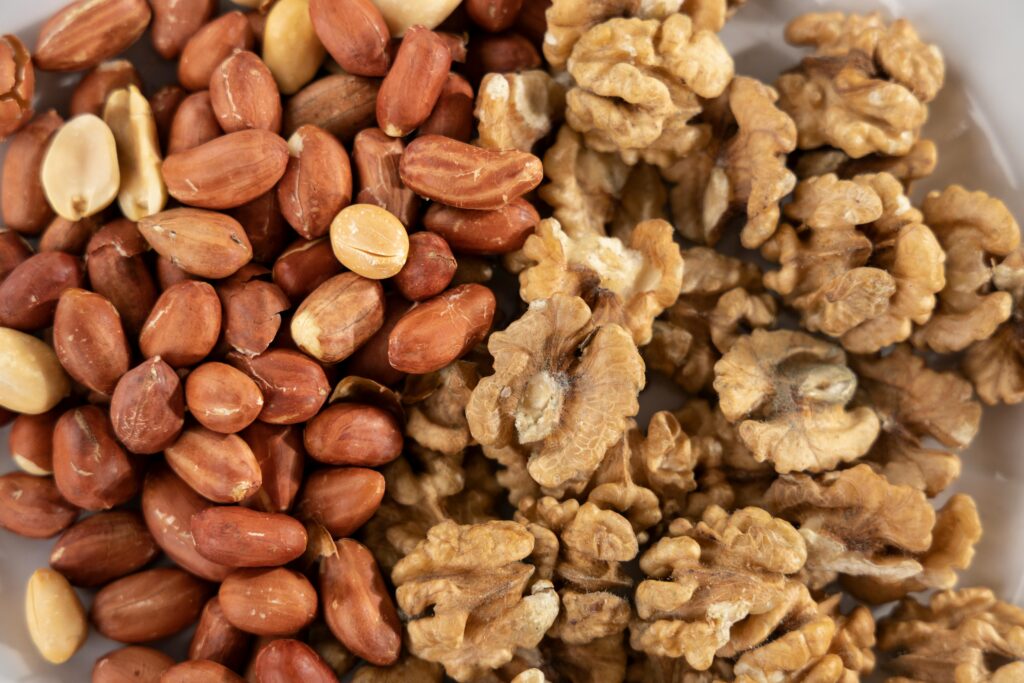
- Nutrients in walnuts help the body fight infections.
- Antioxidants protect cells from damage and support overall immunity.
- Regular consumption helps reduce the risk of winter illnesses and keeps the body resilient.
4. Heart Health
Cold weather can place extra stress on your heart. Walnuts support cardiovascular health naturally:
- Healthy fats in walnuts help reduce bad cholesterol.
- Walnuts improve blood circulation and support overall heart function.
- Including walnuts in winter can help protect against heart-related problems.
5. Brain and Cognitive Health
Winter can make you feel mentally sluggish. Walnuts are known as brain food because they support:
- Healthy brain cells
- Improved memory and focus
- Mental clarity and alertness
Eating walnuts regularly in winter helps maintain mental energy and combats seasonal fatigue.
6. Skin, Hair, and Bone Health
Dry air and cold winds can damage skin and hair. Walnuts help combat these issues:
- Healthy fats and nutrients moisturize and nourish the skin.
- Support hair health and strengthen follicles.
- Minerals in walnuts promote strong bones and joints.
Including walnuts in your diet helps you look and feel healthier during winter.

7. Supporting Digestion and Gut Health
Fiber in walnuts promotes healthy digestion and keeps your gut balanced:
- Supports regular bowel movements
- Improves nutrient absorption
- Enhances gut bacteria for better overall health
A healthy digestive system boosts immunity, energy, and general well-being, making walnuts ideal for winter nutrition.
8. Maintaining Energy and Weight
Winter cravings can lead to overeating or unhealthy snacking. Walnuts help:
- Protein, fiber, and healthy fats keep you full longer
- Provide steady energy throughout the day
- Serve as a nutritious alternative to processed snacks
A handful of walnuts can satisfy hunger and provide sustained energy, preventing winter fatigue.
9. Reducing Inflammation
Cold weather and reduced activity can increase body aches. Walnuts contain compounds that reduce inflammation naturally, helping with:
- Joint comfort
- Muscle health
- Overall body wellness
Including walnuts in your diet helps prevent discomfort and supports overall winter health.
10. Supporting Mental Health
Winter can affect mood and emotional well-being. Walnuts contribute to mental health by:
- Nourishing the brain and nervous system
- Supporting emotional balance
- Helping maintain focus and energy
Regular walnut consumption can improve your mood and mental resilience during cold months.
11. Easy Ways to Include Walnuts in Your Diet
Walnuts are versatile and easy to eat. Here are some ideas:
- Eat raw as a snack
- Add to oatmeal, yogurt, or cereal
- Mix into salads or cooked dishes
- Make a trail mix with other nuts and dried fruits
- Blend into smoothies or use as walnut butter
- Include in baked goods like muffins, bread, or cookies
12. Tips for Best Results
- Moderation is key: 7–10 walnuts daily is enough.
- Combine with a balanced diet: Pair with fruits, vegetables, and proteins.
- Store properly: Keep in a cool, dry place or refrigerate to preserve freshness.
- Listen to your body: Introduce gradually if not used to nuts.
13. Why Walnuts Are Perfect for Winter
| Winter Challenge | How Walnuts Help |
|---|---|
| Cold weather & low energy | Healthy fats provide warmth and energy |
| Seasonal illnesses | Boost immunity and protect cells |
| Dry skin and hair | Nutrients moisturize skin and strengthen hair |
| Sedentary lifestyle | Fiber and protein keep you full and energetic |
| Mental fatigue | Supports brain function and mood |
| Heart health | Reduces cholesterol and supports circulation |
Walnuts address multiple winter challenges, making them a complete seasonal superfood.
14. Sample Winter Meal Ideas with Walnuts
- Breakfast: Oatmeal with chopped walnuts, honey, and fruit
- Mid-morning snack: Handful of raw walnuts with tea
- Lunch: Salad with walnuts or walnut yogurt dressing
- Afternoon snack: Trail mix with walnuts and dried fruits
- Evening snack: Smoothie with walnuts, banana, and milk
- Pre-bedtime: Small portion of walnuts for healthy fats
15. Conclusion
Winter demands extra care for your body, mind, and energy levels. Walnuts are a natural solution to meet these needs. They provide warmth, sustained energy, immunity support, heart and brain protection, skin and hair nourishment, and digestive health.
Including just a handful of walnuts daily can make a significant difference in your winter health. Their taste, versatility, and rich nutrition make them the ultimate winter superfood.
Stay warm, healthy, and energized this winter by adding walnuts to your meals, snacks, and even desserts.


How to Remove a Virus from Android (Complete Guide 2026)

Spring/Summer 2026 Fashion Trends You Can Shop Now

How to Detect and Remove Spyware From an Android Phone 2026


-

 Fashion6 months ago
Why ’90s Fashion Still Dominates Today’s Style Scene
-

 Fashion6 months ago
Top Fashion Trends to Follow in August 2025
-

 How-to Guides6 months ago
How to Restore Pantone Colors in New Illustrator Versions (2026 Guide)
-

 Politics6 months ago
Reddit Politics: A Deep Dive into Online Political Discourse
-

 How-To Tutorials & Troubleshooting6 months ago
How to Screenshot on Mac: The Complete 2025 Guide