Blog
Wearable Tech: The Future of Smart Living
Wearable technology once a sci-fi fantasy is now a part of our everyday lives. From smartwatches tracking our heartbeats to fitness bands counting steps, wearable devices are transforming how we live, work, and interact with the world. This article explores the world of wearable tech, its evolution, applications, benefits, and the exciting future ahead.
What Is Wearable Technology?
Wearable technology, or “wearables,” refers to electronic devices that can be worn on the body, either as accessories or integrated into clothing. These devices use sensors, software, and connectivity features to collect and transmit data, helping users monitor their health, fitness, productivity, and more.
Common examples include:
- Smartwatches (Apple Watch, Samsung Galaxy Watch)
- Fitness trackers (Fitbit, Xiaomi Mi Band)
- Smart glasses (Google Glass, Meta Ray-Ban Smart Glasses)
- Smart clothing (shirts or shoes with biometric sensors)
- Health monitoring devices (ECG monitors, sleep trackers)
Evolution of Wearable Technology
Wearable tech’s journey began with simple devices like digital watches in the 1980s. The real revolution, however, began in the early 2000s with Bluetooth-enabled earpieces and heart rate monitors. Today, wearables have evolved into mini-computers capable of AI-driven analysis, real-time health insights, and seamless integration with smartphones and cloud systems.
Notable milestones:
- 2009: Fitbit launched, making fitness tracking mainstream.
- 2014: Apple Watch introduced health-focused smartwatches.
- 2020 onwards: AI-powered wearables capable of detecting heart irregularities, stress levels, and even blood oxygen.
Applications of Wearable Technology
1. Health and Fitness
The most common use of wearables is in health monitoring. Devices track steps, calories, sleep quality, heart rate, and more. Advanced models can detect irregular heart rhythms (AFib), measure blood oxygen (SpO₂), and even monitor stress levels.

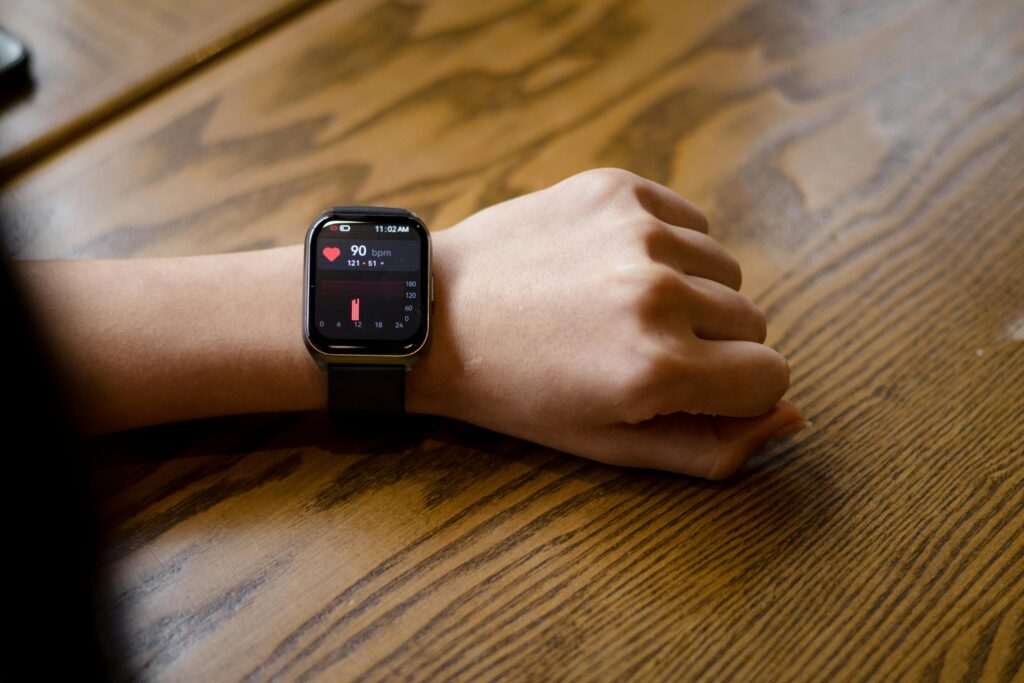
Healthcare professionals use wearables to track chronic patients remotely, improving early diagnosis and treatment.
2. Workplace Productivity
Smart wearables can enhance workplace safety and efficiency. For example, smart helmets and wristbands can alert workers to fatigue or hazardous conditions. Companies also use AR (Augmented Reality) glasses for remote assistance, reducing downtime and travel costs.
3. Sports and Training
Athletes use wearables to track performance, monitor recovery, and prevent injuries. Devices can measure speed, body temperature, muscle activity, and even hydration levels in real-time.
4. Entertainment and Communication
Smart glasses and AR/VR headsets create immersive experiences for gaming and media. Meanwhile, smartwatches allow hands-free calls, messages, and notifications directly on the wrist.
5. Fashion and Lifestyle
Wearable tech is becoming more stylish. Designers collaborate with tech companies to create luxury wearables like jewelry that tracks health metrics or smart fabrics that change color with mood.

Benefits of Wearable Technology
- Health Awareness: Promotes fitness and encourages healthy habits through daily monitoring.
- Early Diagnosis: Continuous tracking helps detect potential health issues early.
- Convenience: Enables access to information, calls, and apps without using a phone.
- Enhanced Productivity: Streamlines tasks in workplaces and improves workflow efficiency.
- Safety and Security: SOS alerts and fall detection can save lives during emergencies.
Challenges and Limitations
Despite the benefits, wearable tech faces several challenges:
- Privacy and Data Security: Continuous data collection raises concerns about how personal health information is stored and shared.
- Battery Life: Most wearables need frequent charging, which can be inconvenient.
- Accuracy: Not all devices offer medical-grade precision.
- Cost: High-end wearables remain expensive for many consumers.
Future of Wearable Technology
The next generation of wearables will be even smarter, smaller, and more integrated with our bodies. Here’s what’s coming next:
- Smart Tattoos and Skin Sensors: Thin, flexible devices that stick to the skin to track hydration, glucose levels, or body temperature.
- Implantable Devices: Microchips implanted under the skin could continuously monitor vital signs.
- AI Integration: AI will analyze data in real-time and offer predictive health insights.
- Sustainable Materials: Eco-friendly designs and solar-powered wearables will reduce electronic waste.
- 5G Connectivity: Faster data transfer will enhance real-time monitoring and remote healthcare.
Impact on Healthcare and Society
Wearable technology is revolutionizing healthcare. Doctors can monitor patients remotely, reducing hospital visits. Data collected from millions of devices helps researchers understand global health trends.
For society, wearable tech promotes self-awareness, healthy living, and digital empowerment. It’s not just about technology it’s about creating a smarter, more connected human experience.
Conclusion
Wearable technology is more than just a trend; it’s a bridge between humans and the digital world. As innovation continues, these devices will not only make life more convenient but also improve how we care for ourselves and interact with the environment.
From health tracking to fashion statements, wearable tech symbolizes the future of smart livingwhere technology and humanity move hand in hand.