Tech
The Role of Robotics in Today’s World: A Deep Dive into the Future of Automation
Robotics is no longer a futuristic concept found only in science-fiction movies. It has become an essential technological pillar shaping economies, industries, and societies across the globe. From advanced manufacturing lines and medical surgeries to self-driving cars, agriculture, education, and even household chores, robotics is integrating into everyday life at a rapid pace. As artificial intelligence (AI), machine learning (ML), and automation continue to evolve, robots are becoming more intelligent, efficient, and capable of performing tasks that once required human effort, judgment, or even risk.
In today’s digital world, robotics is not just a symbol of progress it is a driving force behind innovation, productivity, and global transformation. This blog explores in detail the expansive role of robotics, how it is influencing modern industries, the challenges and opportunities it brings, and what the future may hold.
1. Understanding Robotics: A Brief Overview
Robotics combines engineering, computer science, AI, and design to create machines capable of performing tasks autonomously or semi-autonomously. These machines robots can sense their environment, make decisions, and take actions to achieve specific goals.
The key components of modern robots include:
- Sensors: Allow robots to detect obstacles, temperature, motion, sound, and more.
- Actuators: Enable movement through motors, hydraulic systems, or mechanisms.
- Control systems: Process information and command the robot’s actions.
- AI and algorithms: Enable learning, pattern recognition, and decision-making.
Robots today range from simple cleaning devices to highly complex humanoid machines, industrial arms, drones, and medical surgical robots.
2. Robotics in Industry and Manufacturing
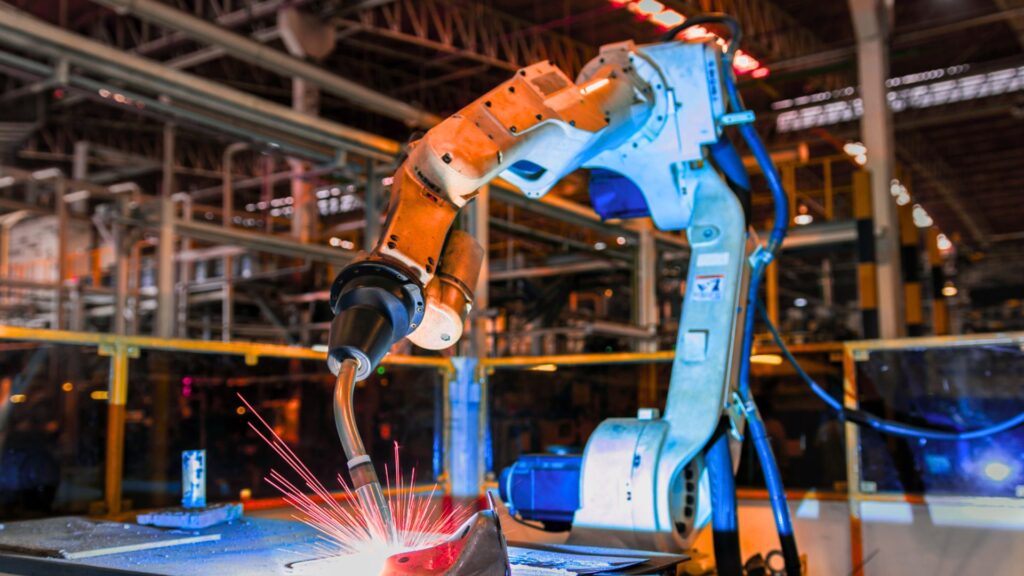
One of the earliest and most impactful uses of robotics is in the industrial sector. Manufacturing plants across the world rely heavily on automated robotic systems to perform repetitive, high-precision, or hazardous tasks.

2.1. Automation and Productivity
Industrial robots increase efficiency by working non-stop without fatigue. This leads to:
- Faster production cycles
- Fewer human errors
- High-quality output
- Lower operational costs
Automobile factories, electronics assembly lines, and packaging units use robotic arms for welding, painting, assembling, sorting, and inspecting products.
2.2. Collaborative Robots (Cobots)
Unlike traditional robots that operate in fenced-off areas, cobots are designed to work alongside humans, assisting rather than replacing them. They are increasingly used in small and medium-sized businesses (SMEs) because they:
- Are safe and easy to program
- Require less space
- Improve worker productivity
2.3. Supply Chain and Logistics
Robots are transforming warehouses and distribution centers. Examples include:
- Automated guided vehicles (AGVs) that transport goods
- Robotic picking systems for inventory management
- Drones used for stock taking and delivery
Companies like Amazon and Alibaba are leading the way in robotic logistics.
3. Robotics in Healthcare: Saving Lives and Improving Quality of Care
Healthcare robotics has seen massive growth. From surgical robots to rehabilitation devices, robotics is making treatments safer and more efficient.
3.1. Robotic-Assisted Surgeries
Surgical robots help doctors perform complex procedures with:
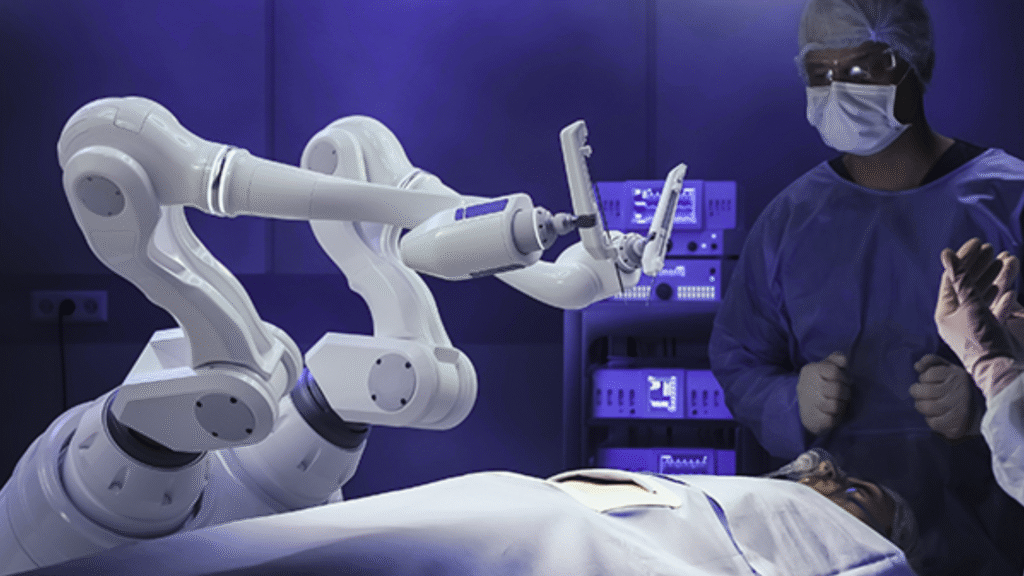
- High precision
- Smaller incisions
- Shorter recovery times
- Reduced surgical risks
Robotic systems are used in cardiac, gynecological, neurosurgical, and orthopedic procedures.
3.2. Rehabilitation and Therapy Robots
Patients recovering from strokes or injuries use robotic exoskeletons and therapy machines to regain mobility.
3.3. Service and Support Robots
Hospitals employ robots for:
- Delivering medicine
- Disinfecting rooms
- Monitoring patients
- Assisting elderly individuals
The COVID-19 pandemic accelerated the use of service robots to reduce human contact and infection risks.
4. Robots in Education and Research
Robotics is shaping the future of learning worldwide.
4.1. Classroom Assistants
Educational robots help students learn science, coding, math, and engineering through hands-on interaction. They make complex topics engaging and easier to understand.
4.2. Support for Students with Special Needs
Robotic systems assist students with disabilities by providing communication tools, therapy assistance, and personalized learning support.
4.3. Research and Innovation
Robots play a key role in scientific research, including:
- Space studies
- Deep-sea exploration
- Climate monitoring
- Artificial intelligence developments
5. Robotics in Agriculture: The Smart Farming Revolution
Global food demand is rising, and robotics helps modern agriculture run more efficiently and sustainably.
5.1. Precision Farming
Agricultural robots use sensors, data analytics, and AI to:
- Monitor soil health
- Identify pests
- Track crop growth
- Manage irrigation
5.2. Farming Robots
Examples include:
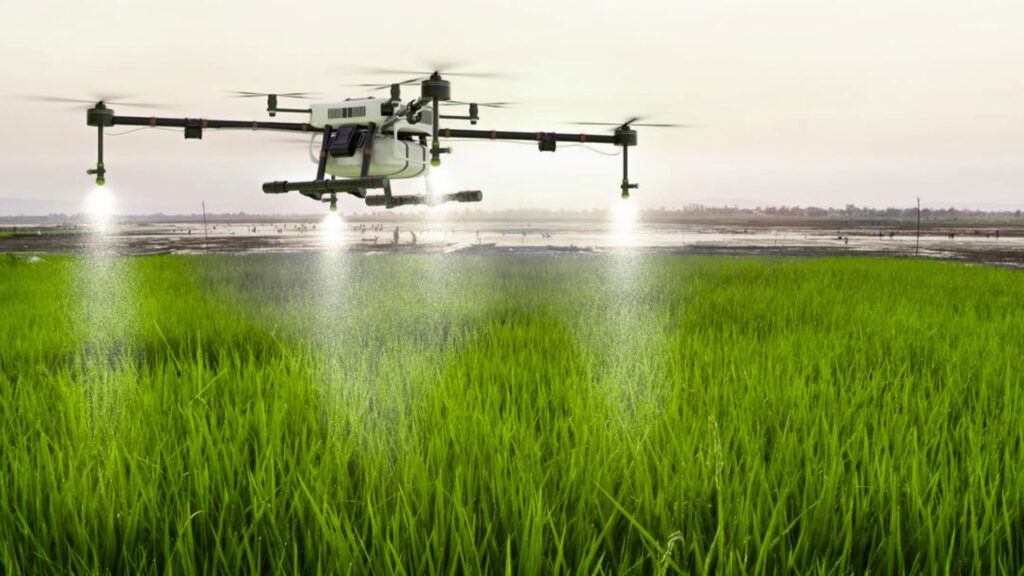
- Drone sprayers
- Autonomous tractors
- Harvesting robots
- Seed-planting robots
These systems increase crop yields, reduce labor costs, and limit the use of chemicals.
6. Robotics in Transportation: The Road to Autonomy
Transportation is experiencing a historic transformation through robotics.
6.1. Self-Driving Cars
Autonomous vehicles use a blend of robotics, sensors, AI, and mapping technology to drive without human input. Although still in development, they aim to:
- Reduce accidents
- Improve fuel efficiency
- Ease traffic congestion
6.2. Drones
Drones are used for:
- Surveillance
- Delivering packages
- Inspecting infrastructure
- Mapping areas
- Supporting rescue operations
6.3. Autonomous Public Transport
Robotic buses, trams, and shuttles are being tested in smart cities.
7. Robotics in Defense and Security
Security forces rely on robots to handle dangerous tasks.
7.1. Bomb Disposal Robots
These robots safely inspect and defuse explosive devices, protecting human lives.
7.2. Military Drones
Drones are used for:
- Surveillance
- Border patrol
- Tactical missions
7.3. Patrol and Surveillance Robots
These robots monitor public spaces, detect intruders, and report suspicious activity.
8. Robotics in Homes: Making Everyday Life Easier
Robots have entered domestic life, creating smart and convenient lifestyles.
8.1. Cleaning Robots
Vacuum robots, window cleaners, and lawn-mowing robots save time and effort.
8.2. Smart Assistants
AI-powered devices like smart speakers and home assistants help users control appliances, manage schedules, and access information.
8.3. Companion Robots
Designed especially for the elderly, these robots provide:
- Emotional support
- Monitoring
- Emergency alerts
9. Social and Economic Impact of Robotics
Robotics brings major benefits, but it also introduces challenges.
9.1. Economic Growth
Automation boosts productivity, reduces costs, and helps businesses scale faster.
9.2. Job Transformation
While robots can perform repetitive tasks, they also create new job categories such as:
- Robot maintenance
- Programming
- Data analysis
- System integration
The workforce must reskill to adapt to new roles.
9.3. Improved Safety
Robots reduce workplace accidents by handling hazardous tasks.
9.4. Ethical Concerns
There are ongoing debates about:
- AI decision-making
- Privacy
- Human replacement
- Bias in algorithms
A balanced approach is essential.
10. The Future of Robotics: What Lies Ahead
The next decade will bring smarter, more capable, and more human-like robots.
10.1. AI-Enabled Robots
AI will make robots more autonomous and capable of learning tasks without programming.
10.2. Humanoid Robots
Humanoids will serve in customer service, hospitality, retail, and even caregiving.
10.3. Robotics in Space Exploration
Future missions may include:
- Robotic lunar bases
- Mars construction robots
- Autonomous exploration vehicles
10.4. Hyper-Automation
Combining robotics with AI, big data, and cloud computing will transform the global workforce.
Conclusion
Robotics is shaping the world in ways we could only imagine a few decades ago. It improves safety, enhances productivity, supports critical industries, and enriches human lives. From factories and farms to hospitals, schools, and homes, robotics is making everyday processes smarter and more efficient. As AI and automation grow stronger, robots will become even more deeply integrated into society.
The challenge is not to fear robots but to understand how they can work with us, help us, and open doors to new opportunities. The future belongs to humans and robots working side by side to build a safer, smarter, and more advanced world.