Blog
Mobile Payment Apps: The Future of Cashless Transactions
Introduction
In today’s digital world, mobile payment apps have revolutionized how we handle money. Gone are the days of carrying cash or swiping cards for every transaction. Now, with just a few taps on your smartphone, you can pay bills, shop online, send money to friends, or even buy groceries. These apps have not only made life more convenient but also transformed the global economy by promoting a cashless society.
Whether it’s Apple Pay, Google Pay, PayPal, or Venmo, mobile payment platforms have become essential tools for millions of users worldwide. In this article, we’ll explore what mobile payment apps are, how they work, their benefits, challenges, and the future trends shaping this technology.
What Are Mobile Payment Apps?
Mobile payment apps are digital platforms that allow users to make financial transactions using their smartphones or tablets. They link your mobile device with your bank account, debit/credit card, or digital wallet. This means you can send or receive money, make purchases, or pay bills without needing physical cash or cards.
These apps typically use technologies like NFC (Near Field Communication), QR codes, and internet banking APIs to process transactions securely.
How Do Mobile Payment Apps Work?
The functioning of mobile payment apps may vary slightly between platforms, but the process is generally straightforward:
- User Registration:
You download the app from the App Store or Google Play, sign up using your phone number or email, and verify your identity. - Linking Accounts:
The next step involves connecting your app with your bank account or debit/credit card. - Adding Money (for Wallet Apps):
Some apps, like Paytm or Venmo, allow you to add funds to your digital wallet. - Making Payments:
You can then use NFC, QR codes, or contact lists to send or receive money instantly. - Security & Authentication:
Payments are protected by encryption, two-factor authentication, and biometric security (like fingerprint or face ID).
Popular Mobile Payment Apps Worldwide
Let’s look at some of the most popular mobile payment apps used globally and what makes them stand out.


1. PayPal
PayPal is one of the oldest and most trusted mobile payment platforms. It allows users to send and receive payments securely in over 200 countries. Its integration with e-commerce platforms like eBay and Shopify makes it a popular choice for online sellers and buyers.
2. Google Pay
Google Pay (GPay) is known for its simplicity and security. It integrates with your Google account and lets you make contactless payments, pay bills, and transfer money to friends directly from your smartphone.
3. Apple Pay
Exclusively for iOS users, Apple Pay uses NFC technology to make in-store and online payments. It offers top-notch security features, including tokenization and Face ID authentication.
4. Samsung Pay
Samsung Pay supports both NFC and magnetic secure transmission (MST), making it compatible with almost any card terminal. It’s a preferred option for Samsung smartphone users.
5. Venmo
Venmo, owned by PayPal, is a social payment app that allows users to send and receive money while adding fun messages and emojis. It’s especially popular among younger users in the U.S.
6. Cash App
Developed by Block (formerly Square), Cash App enables peer-to-peer payments and allows users to invest in stocks or Bitcoin. It’s one of the fastest-growing payment apps in North America.
7. Paytm
In India, Paytm dominates the market with services ranging from bill payments to movie tickets and investments. It was one of the first apps to promote digital payments in the region.
8. Alipay and WeChat Pay
In China, Alipay (by Alibaba) and WeChat Pay (by Tencent) are the backbone of the cashless economy. They cover everything from buying groceries to paying utility bills or booking travel.
Benefits of Mobile Payment Apps
Mobile payment apps offer numerous benefits to both consumers and businesses. Here’s a closer look at why they’ve become so popular:
1. Convenience
With mobile payments, you no longer need to carry cash or cards. You can pay for groceries, fuel, online shopping, and more—all from your smartphone.
2. Speed and Efficiency
Transactions are completed within seconds. Whether it’s transferring money to a friend or paying at a store, the process is smooth and instant.
3. Enhanced Security
These apps use high-level encryption, biometric authentication, and real-time alerts to prevent fraud. In fact, mobile payments are often safer than using physical cards.
4. Rewards and Cashback
Most mobile payment platforms offer cashback offers, discounts, and loyalty points for frequent users, encouraging digital transactions.
5. Record Keeping
Every transaction is recorded digitally, making it easier to track expenses, manage budgets, and generate financial reports.
6. Global Access
Many mobile payment apps work internationally, allowing users to make cross-border transactions seamlessly.
7. Financial Inclusion
Mobile payment apps help bring banking services to people in remote or underserved areas, promoting financial inclusion worldwide.

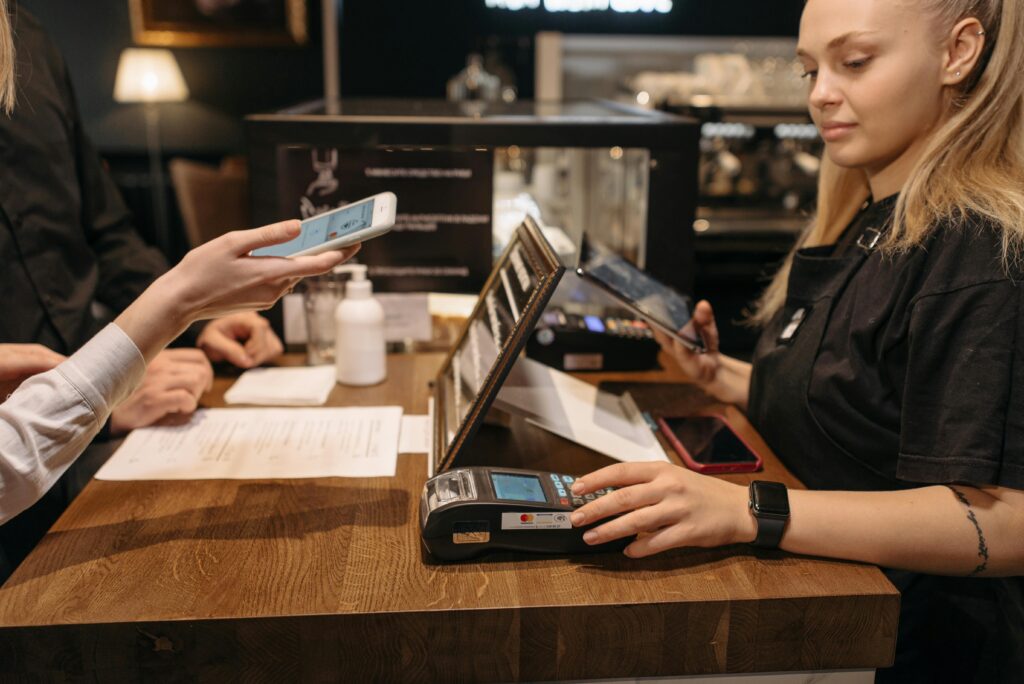
Security Features in Mobile Payment Apps
Security is a major concern when it comes to online transactions. That’s why payment apps use advanced technologies to protect users’ data.
- Encryption:
Ensures all sensitive information is transmitted securely. - Tokenization:
Instead of sending actual card numbers, apps send encrypted “tokens,” making it impossible for hackers to steal your information. - Biometric Authentication:
Fingerprint or facial recognition adds another layer of protection. - Two-Factor Authentication (2FA):
Requires users to confirm transactions through PINs or OTPs (One-Time Passwords). - Instant Alerts:
Users get real-time notifications of every transaction to detect unauthorized activity.
Challenges and Risks
Despite their advantages, mobile payment apps also face certain challenges:
1. Cybersecurity Threats
Hackers continuously look for loopholes to exploit. Phishing attacks and malware can target unprotected devices.
2. Privacy Concerns
These apps collect user data, which raises privacy concerns if not handled properly.
3. Internet Dependency
Without an internet connection, most mobile payment apps cannot function, making them unusable in low-network areas.
4. Limited Merchant Acceptance
While mobile payments are growing fast, some small businesses still prefer cash transactions.
5. Technical Errors
Sometimes, server outages or app glitches can disrupt transactions and cause delays.
How Businesses Benefit from Mobile Payments
Mobile payments aren’t just convenient for consumers; they also provide significant advantages to businesses.
- Faster Transactions:
Reduces waiting time at checkout counters. - Reduced Cash Handling:
Minimizes the risk of theft and the cost of managing cash. - Improved Customer Experience:
Offering multiple payment options boosts customer satisfaction and loyalty. - Access to Data Analytics:
Businesses can analyze customer spending habits and personalize marketing offers. - Easy Integration with E-commerce:
Mobile payment apps integrate seamlessly with online stores, enabling smooth online sales.
Future of Mobile Payment Apps
The future of mobile payments looks promising as technology continues to evolve. Here are a few trends shaping the industry:
1. Blockchain and Cryptocurrency
With blockchain technology, payments are becoming more secure and transparent. Apps like Cash App already allow users to buy and sell Bitcoin.
2. Biometric Advancements
Facial recognition, voice ID, and even palm scanning will make mobile payments faster and more secure.
3. AI and Machine Learning
AI can detect fraud patterns, enhance personalization, and improve customer support through chatbots.
4. Cross-Border Payment Solutions
Global payment apps will increasingly support instant international transfers with minimal fees.
5. Super Apps
Platforms like WeChat and Alipay combine multiple services messaging, shopping, payments, and more into one ecosystem. This “super app” model is likely to expand worldwide.
Tips for Using Mobile Payment Apps Safely
To ensure a secure experience while using mobile payment apps, follow these best practices:

- Download apps only from trusted stores (Google Play or App Store).
- Avoid using public Wi-Fi for financial transactions.
- Enable two-factor authentication.
- Regularly update your app and device software.
- Monitor your account for suspicious activity.
- Set strong PINs and use biometric verification when available.
Conclusion
Mobile payment apps are transforming how we handle money, making financial transactions more accessible, efficient, and secure. From shopping and bill payments to business transactions and peer-to-peer transfers, these digital platforms have become an essential part of modern life.
While challenges like cybersecurity and privacy concerns remain, the benefits far outweigh the risks. As technology continues to advance, the future of mobile payments will likely bring even greater innovation and convenience.
Embracing mobile payment apps isn’t just about keeping up with technology it’s about stepping into the future of finance.