Health, Wellness & Mental Well-Being
High-Protein Vegetarian Foods for Healthy Living
Living a healthy lifestyle starts with the right nutrition, and protein plays a vital role in keeping the body strong, active, and balanced. Many people believe that protein mainly comes from meat, but this is a myth. A well-planned vegetarian diet can provide all the protein your body needs for energy, muscle strength, and overall wellness. High-protein vegetarian foods are not only nutritious but also support long-term healthy living.
In this article, we will explore why protein is important, the best high-protein vegetarian foods, and how you can include them in your daily meals to maintain a healthy lifestyle.
Why Protein Is Important for Healthy Living
Protein is one of the most important macronutrients required by the human body. It is responsible for building and repairing tissues, supporting muscle growth, and maintaining healthy skin, hair, and nails. Protein also plays a key role in producing enzymes and hormones that regulate various body functions.
For people focused on healthy living, protein helps:
- Maintain lean muscle mass
- Support a strong immune system
- Keep you feeling full for longer
- Boost metabolism and energy levels
A diet rich in high-protein vegetarian foods can help prevent fatigue, reduce unhealthy cravings, and support overall physical and mental well-being.
Can Vegetarians Get Enough Protein?
Yes, vegetarians can easily meet their daily protein needs by choosing a variety of plant-based and dairy-based protein sources. The key is to eat a balanced diet that includes legumes, whole grains, dairy products, nuts, and seeds. When combined properly, vegetarian foods provide all essential amino acids needed by the body.
Healthy living does not depend on animal protein alone. In fact, vegetarian protein sources are often lower in saturated fat and higher in fiber, making them a heart-healthy choice.
Best High-Protein Vegetarian Foods
Lentils and Legumes
Lentils are one of the best and most affordable high-protein vegetarian foods. They are packed with protein, fiber, iron, and essential vitamins. Lentils help improve digestion, regulate blood sugar levels, and support heart health.
Popular legumes include:
- Red lentils
- Green lentils
- Black lentils
- Split peas
They can be used in soups, curries, salads, and stews, making them a versatile addition to a healthy diet.

Chickpeas and Beans
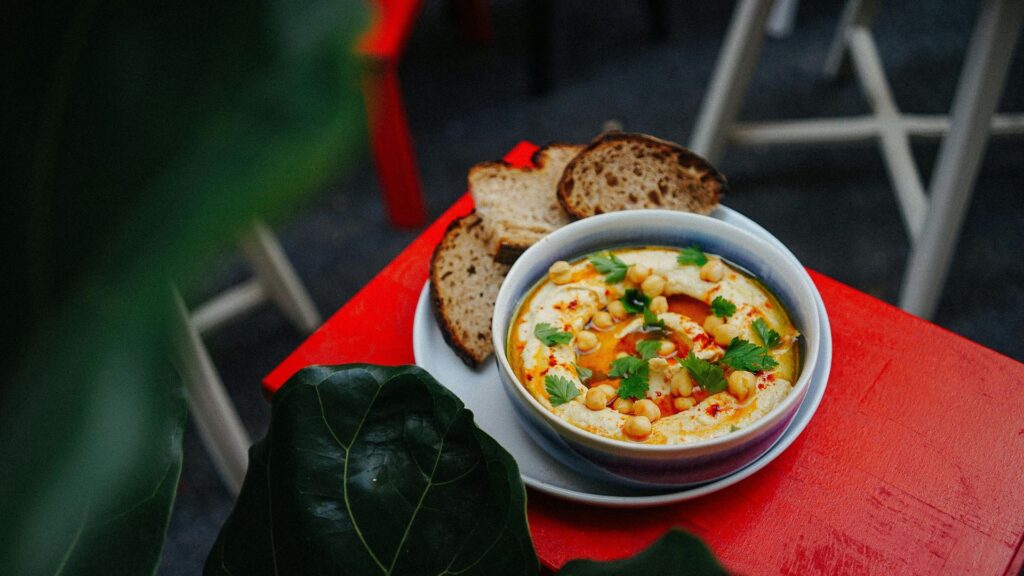
Chickpeas, kidney beans, black beans, and white beans are excellent sources of plant-based protein. They are also rich in complex carbohydrates, which provide long-lasting energy.
Benefits of beans and chickpeas:
- Support muscle health
- Improve digestion due to high fiber content
- Help with weight management
You can enjoy them in salads, hummus, wraps, or cooked dishes for daily protein intake.
Tofu and Tempeh
Tofu and tempeh are soy-based foods that offer a complete protein profile, meaning they contain all essential amino acids. They are ideal for vegetarians looking to increase protein intake without relying on dairy.
Tofu is soft and absorbs flavors easily, while tempeh has a firmer texture and a nutty taste. Both are excellent for stir-fries, grilled dishes, and curries. These foods are also rich in calcium and iron, supporting bone health and strength.
Paneer and Greek Yogurt
For vegetarians who consume dairy, paneer and Greek yogurt are powerful protein sources. Paneer is widely used in vegetarian cooking and provides high-quality protein along with calcium.
Greek yogurt contains more protein than regular yogurt and supports gut health due to natural probiotics. Including dairy-based protein helps maintain muscle mass and promotes strong bones.
Nuts and Seeds
Nuts and seeds may be small, but they are packed with protein, healthy fats, and essential nutrients. Almonds, peanuts, chia seeds, flaxseeds, and pumpkin seeds are great options for healthy living.
Benefits include:
- Improved heart health
- Brain support
- Increased energy
They make perfect snacks and can be added to smoothies, oatmeal, or salads.
Quinoa and Whole Grains
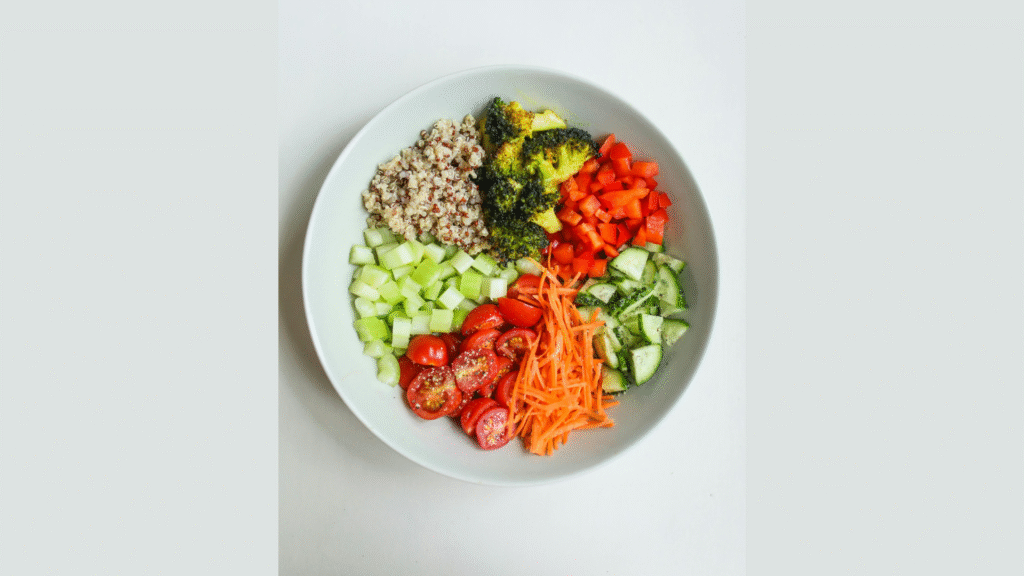
Quinoa is a unique plant food because it is a complete protein. It contains all nine essential amino acids and is also rich in fiber, magnesium, and antioxidants.
Other protein-rich whole grains include:
- Oats
- Brown rice
- Whole wheat
These grains support digestion and provide steady energy throughout the day.
How to Build a High-Protein Vegetarian Meal Plan
Creating a balanced vegetarian meal plan is simple when you include protein in every meal.
High-Protein Vegetarian Breakfast Ideas
- Greek yogurt with nuts and seeds
- Oatmeal topped with peanut butter and chia seeds
- Vegetable omelet with paneer
Lunch and Dinner Options
- Lentil curry with brown rice
- Chickpea salad with quinoa
- Tofu stir-fry with vegetables
Healthy High-Protein Snacks
- Roasted chickpeas
- Mixed nuts
- Yogurt with fruit
Including a variety of protein sources ensures your body receives all essential nutrients for healthy living.
Benefits of High-Protein Vegetarian Foods
High-protein vegetarian foods offer several health benefits beyond muscle building.
Supports Weight Management
Protein helps control appetite by keeping you full for longer, reducing unnecessary snacking.
Improves Heart Health
Plant-based protein sources are generally low in saturated fat, which supports heart health and reduces cholesterol levels.
Enhances Digestion
Fiber-rich vegetarian foods improve gut health and prevent digestive issues.
Boosts Energy Levels
Protein supports steady blood sugar levels, preventing energy crashes.
Common Myths About Vegetarian Protein
Myth 1: Vegetarian Diets Lack Protein
With proper planning, vegetarian diets provide enough protein for all age groups.
Myth 2: Plant Protein Is Incomplete
Combining different plant foods like grains and legumes ensures a complete amino acid profile.
Tips for Healthy Living on a Vegetarian Diet
- Eat a variety of protein sources daily
- Balance protein with carbohydrates and healthy fats
- Stay hydrated
- Avoid heavily processed vegetarian foods
- Plan meals ahead to maintain consistency
Healthy living is about balance, not restriction. A protein-rich vegetarian diet can support long-term wellness when followed mindfully.
Conclusion
High-protein vegetarian foods are an excellent foundation for healthy living. From lentils and beans to tofu, dairy, nuts, and whole grains, there are countless options to meet your protein needs without consuming meat. A balanced vegetarian diet supports muscle strength, heart health, digestion, and overall vitality.
By including a variety of high-protein vegetarian foods in your daily meals, you can enjoy a nutritious, sustainable, and healthy lifestyle that benefits both your body and mind.
FAQ
Q1: What are the best high-protein vegetarian foods?
Lentils, chickpeas, tofu, paneer, Greek yogurt, quinoa, nuts, and seeds are among the best high-protein vegetarian foods.
Q2: Can vegetarians get enough protein for healthy living?
Yes, a well-planned vegetarian diet easily meets daily protein needs through plant and dairy-based sources.
Q3: Are high-protein vegetarian foods good for weight loss?
Yes, they help control appetite, boost metabolism, and support lean muscle maintenance.
Q4: How much protein does a vegetarian need daily?
Most adults need about 0.8–1 gram of protein per kilogram of body weight, depending on activity level.
Q5: Is plant-based protein healthy?
Plant-based protein is rich in fiber, vitamins, and minerals, making it excellent for overall health.