Blog
Grassroots Movements: Definition, Purpose, Real Examples & Global Impact (2026)
Introduction
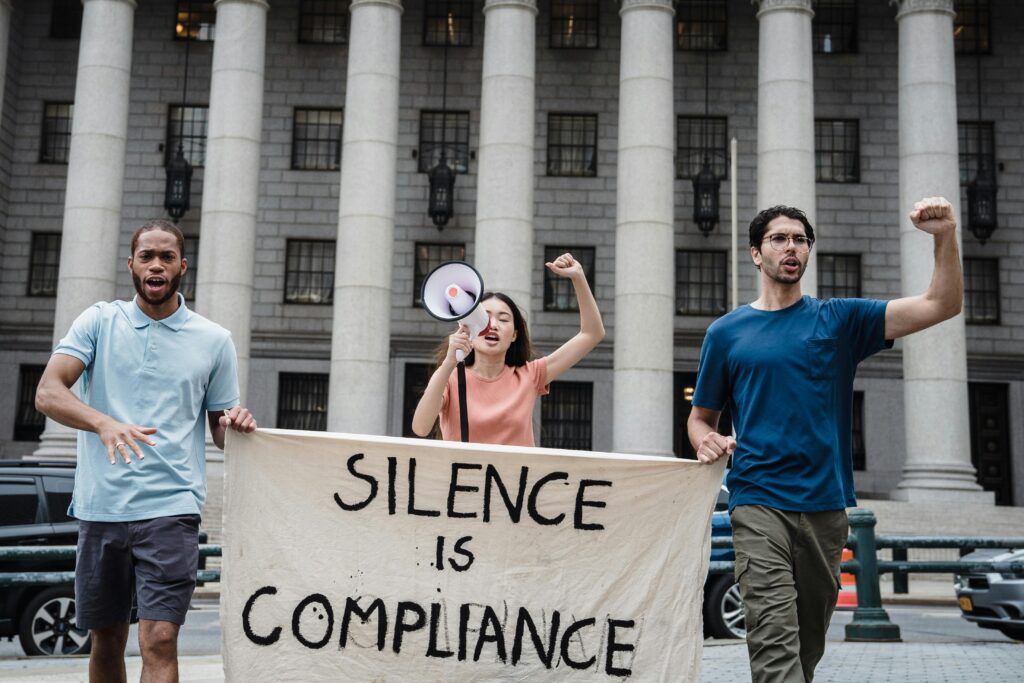
Grassroots Movements play a powerful role in shaping societies and influencing change from the ground level. Unlike top-down leadership, grassroots activism begins with ordinary people who unite for a common cause. These community-led movements focus on local organizing, awareness, and collective action. From historic civil rights movements to modern citizen activism campaigns, grassroots efforts have transformed political and social systems worldwide. They rely on bottom-up leadership, public support, and strong communication to grow. In today’s digital age, social change movements also use online platforms to mobilize supporters quickly. Understanding Grassroots Movements helps explain how communities create impact, challenge authority, and drive meaningful, lasting reform across nations.
In this article, we’ll explore what a grassroots movement is, how it works, why it’s effective, and the major examples that have changed the world.
What Is a Grassroots Movement?
A grassroots movement is a social or political campaign initiated by ordinary citizens to bring about change at local, national, or global levels.
The term “grassroots” symbolizes something that grows naturally from the ground meaning the movement originates with the people, not with governments or corporations.
Unlike top-down initiatives (where leaders or organizations impose decisions), grassroots movements are bottom-up efforts. They rely on community participation, volunteer action, and collective leadership.
Key Characteristics of Grassroots Movements:
- People-driven: Formed by citizens, not elites or political leaders.
- Local beginnings: Often start within small communities or groups.
- Collective action: Success depends on unity, collaboration, and participation.
- Focus on social change: Aim to address injustice, inequality, or public concerns.
- Low-cost mobilization: Use community resources, social networks, and volunteers.
- Adaptability: Able to evolve with time, technology, and challenges.
How Grassroots Movements Begin
Most grassroots movements start when a group of people notice an unresolved problem that affects them directly whether it’s related to environmental pollution, human rights, education, healthcare, or governance.
Stages of Growth:
- Awareness:
People recognize an issue and begin discussing it within communities, schools, or social media. - Organization:
Activists form local groups, committees, or online networks to share ideas and coordinate action. - Mobilization:
The group organizes protests, petitions, and awareness campaigns to attract attention and supporters. - Advocacy:
Leaders emerge, crafting messages and policies to influence decision-makers or legislation. - Sustainability:
The movement adapts to new challenges, builds partnerships, and maintains momentum for long-term change.
Why Grassroots Movements Are Powerful

- Authentic Representation:
Grassroots movements represent real community voices, making them harder to ignore. - Collective Empowerment:
They give people a sense of purpose and agency, turning frustration into action. - Moral Authority:
Since they often arise from lived experiences, these movements carry moral weight. - Cost-Effective Mobilization:
Social media and digital tools make it easier to spread messages with minimal funding. - Pressure on Institutions:
Persistent community activism can influence policies, elections, and corporate behavior. - Social Cohesion:
By bringing diverse individuals together under one cause, grassroots movements strengthen social unity.
Historical Examples of Grassroots Movements
Let’s look at some of the most influential grassroots movements that have changed history.
1. The Civil Rights Movement (1950s–1960s, USA)
One of the most iconic grassroots efforts, the Civil Rights Movement was led by ordinary African Americans demanding equal rights and an end to racial segregation.
Figures like Rosa Parks, Martin Luther King Jr., and thousands of unsung activists organized boycotts, marches, and peaceful protests.
Impact:
- Passage of the Civil Rights Act (1964) and Voting Rights Act (1965).
- Transformation of racial justice and human rights globally.
2. India’s Independence Movement (1880s–1947)
Before India gained independence from British rule, local citizens organized numerous grassroots campaigns emphasizing nonviolent resistance and self-reliance.
Under Mahatma Gandhi’s philosophy of Satyagraha (truth and nonviolence), millions joined boycotts, salt marches, and strikes.
Impact:
- Empowered a colonized population to achieve self-governance.
- Inspired global movements for decolonization and civil rights.
3. The Anti-Apartheid Movement (1948–1994, South Africa)
This movement began at the grassroots level among oppressed Black South Africans who resisted the apartheid system of racial segregation.
Nelson Mandela, Desmond Tutu, and countless activists mobilized local and international support to fight injustice.
Impact:
- Led to the dismantling of apartheid laws.
- Established a democratic South Africa in 1994.
4. The Arab Spring (2010–2012)
The Arab Spring began with local protests in Tunisia and spread across the Middle East. Citizens used social media platforms to organize demonstrations against corruption and authoritarian rule.
Impact:
- Toppled regimes in several countries (e.g., Tunisia, Egypt).
- Demonstrated the power of digital grassroots activism.
5. Fridays for Future (2018–Present)
Started by Swedish teen Greta Thunberg, this climate movement began as a solo protest and grew into a global youth-led campaign for environmental justice.
Impact:
- Millions of students participated in climate strikes.
- Pushed governments to adopt stronger environmental policies.
Modern Digital Grassroots Movements
In the digital age, grassroots movements no longer rely solely on physical gatherings. They thrive through social media, online petitions, and crowdfunding platforms.


Examples:
- #MeToo Movement: Empowered survivors of sexual harassment to speak out globally.
- Black Lives Matter (BLM): Originated from social media hashtags and became a worldwide campaign for racial justice.
- Extinction Rebellion: Uses peaceful civil disobedience to demand government action on climate change.
- Occupy Wall Street: Sparked a global conversation on economic inequality and corporate power.
Tools That Empower Grassroots Movements
- Social Media Platforms:
Twitter, Instagram, Facebook, and TikTok enable rapid information sharing and mobilization. - Crowdfunding Sites:
Platforms like GoFundMe and Patreon allow activists to fund campaigns without institutional support. - Messaging Apps:
WhatsApp and Telegram groups help organizers coordinate privately and securely. - Online Petitions:
Websites like Change.org make it easier for people to advocate for change and gather signatures. - Community Radio and Podcasts:
Offer accessible platforms for spreading awareness in local languages and cultures.
Challenges Faced by Grassroots Movements
Despite their influence, grassroots movements face multiple obstacles:

- Funding Limitations:
Many rely on volunteers and donations, which may limit long-term sustainability. - Internal Conflicts:
Disagreements about leadership, strategy, or messaging can weaken unity. - Government Suppression:
Authorities may criminalize protests, censor social media, or intimidate activists. - Misinformation:
False information or propaganda can distort public perception. - Short Public Attention Span:
In the digital era, viral moments fade quickly without strategic follow-up. - Burnout:
Continuous activism can emotionally exhaust participants, especially volunteers.
Keys to a Successful Grassroots Movement
To succeed, grassroots organizers must blend authentic passion with strategic planning. Here are essential ingredients for lasting impact:
- Clear Vision:
Define specific goals and communicate them effectively. - Strong Leadership:
Empower local leaders who can motivate and organize others. - Community Involvement:
Build trust and ensure local participation in every decision. - Inclusive Messaging:
Avoid division unify diverse communities under one purpose. - Partnerships:
Collaborate with NGOs, media, and institutions for greater reach. - Persistence:
Change takes time; consistent action and patience are crucial.
Grassroots vs. Top-Down Movements
| Aspect | Grassroots Movement | Top-Down Movement |
|---|---|---|
| Origin | Starts from citizens and communities | Initiated by leaders or institutions |
| Structure | Horizontal, participatory | Hierarchical |
| Funding | Local donations and volunteers | Government or corporate support |
| Decision-making | Collective and democratic | Centralized |
| Example | Civil Rights Movement | Government-sponsored reform campaigns |
Impact of Grassroots Movements on Society
Grassroots movements have a long-lasting impact that goes beyond immediate results. They change how people think, engage, and demand accountability.
Social Impact:
- Promote equality, justice, and human rights.
- Encourage civic education and participation.
Political Impact:
- Influence legislation and policy changes.
- Hold leaders accountable for promises and corruption.
Cultural Impact:
- Shift social norms (e.g., gender equality, environmental awareness).
- Inspire art, literature, and community media.
The Future of Grassroots Movements
The future of grassroots activism lies in hybrid organizing blending on-ground action with digital advocacy.
Technologies like AI, blockchain, and crowdsourced data can strengthen transparency and mobilization. However, activists must stay vigilant against digital surveillance and misinformation.
Global youth, empowered by education and technology, will continue driving grassroots movements on climate change, gender rights, and social justice ensuring that people’s voices remain powerful forces for transformation.
Please visit for Reddit Politics 2026
Conclusion
Grassroots Movements represent the power of ordinary people coming together to drive meaningful change. Through grassroots activism, community-led change, and bottom-up leadership, citizens can influence policies, protect the environment, and strengthen society. Understanding Grassroots Movements helps explain how local action transforms into large-scale social and political impact.
FAQ
1. What is the concept of grassroots?
The concept of grassroots refers to actions or movements that begin with ordinary people at a local level.
It focuses on community participation, collective effort, and bottom-up decision making.
2. What is a grassroots environmental movement?
A grassroots environmental movement is when local communities organize to protect nature and promote sustainability.
It often addresses pollution, climate issues, conservation, and environmental justice through citizen action.
3. What does grassroots mean in sports?
In sports, grassroots refers to beginner or community-level programs that develop young talent.
It focuses on training, participation, and building skills at the local level rather than professional leagues.
4. What does my grassroots mean?
“My grassroots” usually refers to your origins, background, or the community where you started.
It highlights personal roots, early development, and foundational support.
5. What is a grassroots movement?
A grassroots movement is a campaign or organized effort started by ordinary people to create change.
It grows through public support, local organizing, and shared goals instead of top leadership control.