Blog
Fast Food Trends in the Young Generation (2025 Guide)
Introduction
The fast food industry has always mirrored social change and no generation has influenced it more than today’s youth. The young generation, especially Gen Z and millennials, are redefining what “fast food” means. For them, it’s not just about convenience and taste; it’s about experience, personalization, and lifestyle.
In 2025, the fast food landscape looks completely different from a decade ago. Food delivery apps, global fusion cuisines, health awareness, and social media influence are shaping how young people eat. Let’s explore the major fast food trends that define the young generation’s eating habits today.
1. Digital Convenience and Food Delivery Culture
Technology has transformed how young people connect with food. Ordering meals online is now a part of everyday life. Apps like Foodpanda, Uber Eats, and DoorDash have made it easier than ever to satisfy cravings at the tap of a screen.
For Gen Z, convenience and speed are top priorities. They expect:


- Fast delivery and real-time tracking
- Digital payments and personalized offers
- Contactless ordering through self-service kiosks
Studies show that more than 60% of Gen Z orders food online at least once a week. This demonstrates how much they value effortless accessibility and tech-driven comfort in their dining experience.
2. Global Flavors and Experimental Menus
The young generation is adventurous when it comes to food. They are eager to try bold and international flavors, going beyond the traditional burgers and fries.
Fusion and cross-cultural dishes have become popular, such as:
- Korean BBQ tacos
- Indian-style pizzas
- Spicy Thai burgers
- Cheesy ramen bowls
Globalization and social media exposure have opened the doors to new food ideas. TikTok and Instagram play a major role in inspiring people to try trending dishes. Fast food chains now introduce limited-time items to capture this excitement.
The youth crave novelty, and brands that keep updating their menus with unique flavors stand out in the competitive market.
3. Healthier Fast Food Options
The younger generation is surprisingly more health-conscious than previous ones. They still love fast food, but they want it to be healthier, lighter, and more balanced.
Common trends include:
- Plant-based burgers made with soy or lentil patties
- Grilled chicken instead of fried
- Whole grain buns and wraps
- Smoothie bowls and fresh salads as side options
Restaurants are responding by including calorie counts on menus and offering more vegetarian or vegan choices. Even global giants like McDonald’s and KFC have started offering healthier versions of their classic meals.
This shows that fast food can evolve without losing its fun or flavor meeting the needs of a generation that wants both taste and wellness.
4. Sustainability and Eco-Friendly Choices
The young generation is deeply aware of environmental issues. They want to support brands that care about the planet. Fast food chains are being pushed to adopt eco-friendly practices such as:
- Using biodegradable packaging
- Reducing plastic waste
- Partnering with local farmers for fresh ingredients
- Introducing plant-based menu options to reduce carbon footprint
Young consumers are more likely to stay loyal to a restaurant that demonstrates environmental responsibility. This trend shows that eating fast food no longer means ignoring sustainability it can mean supporting a cleaner, greener planet.
5. Customization and Value for Money
Another strong trend among the youth is the demand for customizable meals. The idea of building your own burger, wrap, or salad appeals to their desire for control and creativity.
Fast food brands like Subway and OPTp are popular because they let customers choose their ingredients, sauces, and portion sizes. This personalization makes eating more enjoyable and interactive.
At the same time, value for money remains crucial. With inflation and limited budgets, young consumers seek combo deals, student discounts, and reward points. Brands that offer affordable yet high-quality meals are winning over the younger market.
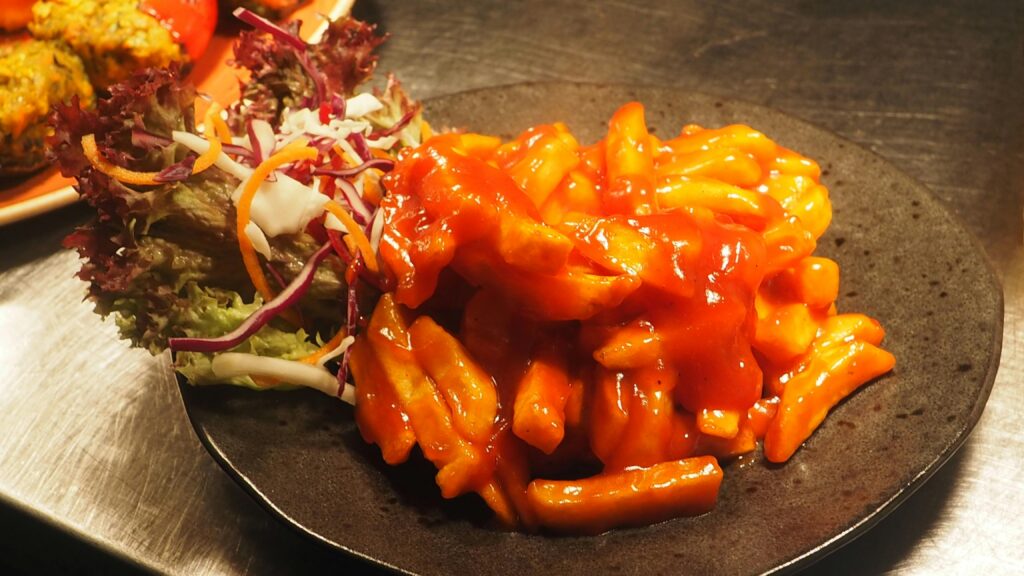
The trend of smaller portions like mini meals and snack boxes also aligns with their spending habits and snacking culture.

6. Snacking Over Traditional Meals
Modern lifestyles have changed eating patterns. Instead of having three large meals a day, many young people now prefer multiple small snacks.
Busy routines, work pressure, and late-night study sessions make fast food the ideal solution. Popular snack choices include:
- Sliders and mini burgers
- Chicken wings and nuggets
- Loaded fries
- Wraps and sandwiches
This “snackification” of meals allows young people to eat conveniently without committing to a full meal. Fast food chains have quickly adapted by offering snack menus, combo boxes, and shareable portions to fit this lifestyle.
7. Social Media and Viral Food Trends
Social media has become one of the most powerful influences on the young generation’s food choices. Platforms like TikTok, YouTube Shorts, and Instagram Reels drive viral food trends that spread globally within hours.
Whether it’s a new sauce, a giant burger, or a unique milkshake, if it looks good on screen it sells. Many fast food brands now design their products to be “Instagrammable” colorful, creative, and camera-friendly.
Influencers and food vloggers play a massive role in this. A single viral video can boost a restaurant’s sales overnight. This has turned food into not just nourishment but also entertainment and expression.
For today’s youth, dining out is as much about the experience and shareability as it is about the flavor.
8. The Rise of Local Fast Food Brands
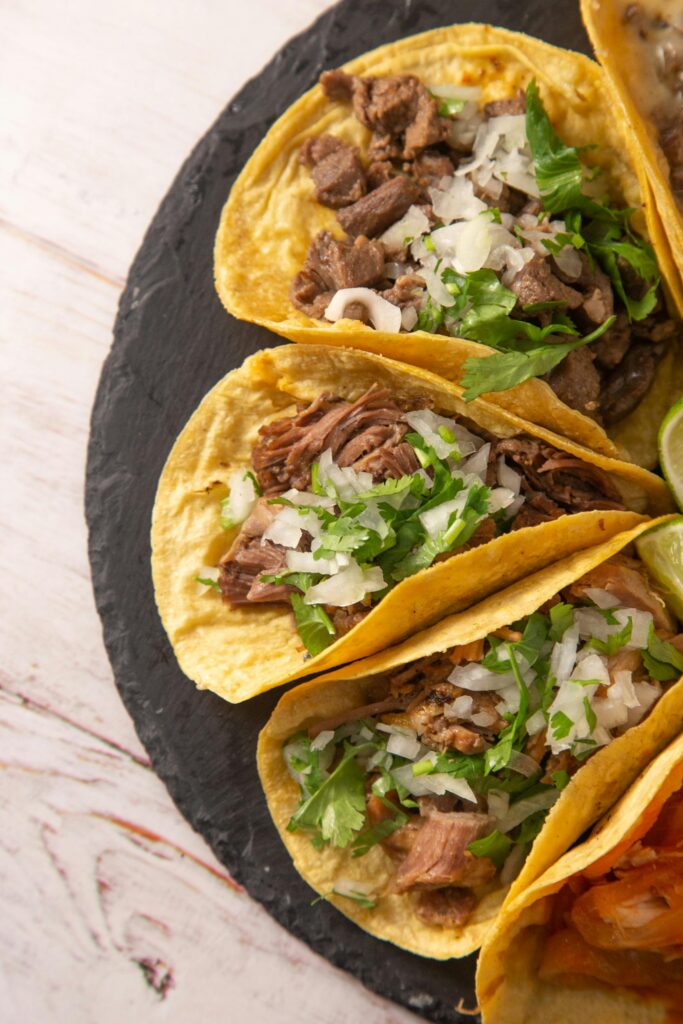
While global chains dominate the fast food world, local brands are rapidly growing in popularity, especially in South Asia. In Pakistan, for instance, outlets like Howdy, OPTp, Broadway Pizza, and Johnny & Jugnu have captured the youth market.
These local restaurants succeed because they:

- Understand local tastes
- Offer affordable pricing
- Use creative marketing on social media
- Introduce spicy and flavorful “desi” versions of global dishes
Local fast food brands often blend global trends with regional twists, offering a sense of cultural identity that resonates with young consumers. This shows how globalization and localization can coexist in the food industry.
9. Ethical Eating and Social Values
The young generation connects food choices with their social values. They want to eat from brands that align with their beliefs and support meaningful causes.
Many fast food chains have started initiatives such as:
- Donating a portion of profits to charity
- Supporting local communities
- Promoting diversity and inclusion within their workforce
For Gen Z, fast food is not just about filling hunger it’s also about supporting ethics and purpose. Brands that show transparency and compassion are more likely to earn their long-term loyalty.
10. The Future of Fast Food
Looking forward, the fast food industry will continue to evolve to meet the expectations of young consumers. Emerging technologies and changing values will drive the next wave of innovation.
Predicted future trends include:
- AI-powered ordering systems that remember your preferences
- Cloud kitchens that operate solely for online delivery
- Virtual menus and digital loyalty programs
- Affordable plant-based and hybrid protein options
In the future, fast food will likely become even more digital, personalized, and sustainable. The key challenge for brands will be maintaining quality while keeping pace with these rapid changes.
Conclusion
Fast food is no longer just about grabbing a quick bite it’s a reflection of how the young generation lives, thinks, and connects. The youth of today want food that is fast, flavorful, customizable, and conscious.
From food delivery apps to fusion recipes, from plant-based meals to viral TikTok challenges, fast food has transformed into a lifestyle choice. The young generation’s influence will continue to shape the future of the food industry making it more innovative, ethical, and inclusive.
The next time you order your favorite burger or pizza, remember: you’re part of a movement that’s redefining what fast food means in the modern world.
Quick Summary
| Trend | Description |
|---|---|
| Digital convenience | Online orders, food delivery apps, and contactless payments |
| Global flavors | Fusion dishes and international cuisines |
| Health focus | Plant-based, grilled, and low-calorie options |
| Sustainability | Eco-friendly packaging and ethical sourcing |
| Customization | Build-your-own meal experiences |
| Snacking | Small, frequent meals replacing traditional ones |
| Social media | Viral trends and influencer-driven marketing |
| Local brands | Regional fast food chains gaining youth popularity |
| Ethical eating | Socially responsible and transparent brands |