Blog
Bird Dog Exercise Benefits: The Ultimate Guide for Core Strength and Stability
Introduction
When it comes to building a strong, stable, and balanced body, most people immediately think of crunches, planks, or sit-ups. But there’s one underrated move that deserves your attention the Bird Dog exercise. This simple yet powerful bodyweight move engages your entire core, strengthens your lower back, and improves your posture all without needing any equipment.
The Bird Dog exercise is a low-impact movement that anyone can do from beginners to athletes, from seniors to office workers. It doesn’t just tone your abs; it trains your body to move as one coordinated unit. Whether you want to reduce back pain, improve athletic performance, or just move better in daily life, the Bird Dog exercise can make a real difference.
Let’s dive deep into what this exercise is, how to do it correctly, and the incredible benefits it offers.
What Is the Bird Dog Exercise?
The Bird Dog exercise is a bodyweight core-strengthening movement that targets the abdominal muscles, lower back, glutes, and shoulders. It’s a functional exercise that mimics the natural movements of animals hence the name “Bird Dog.”
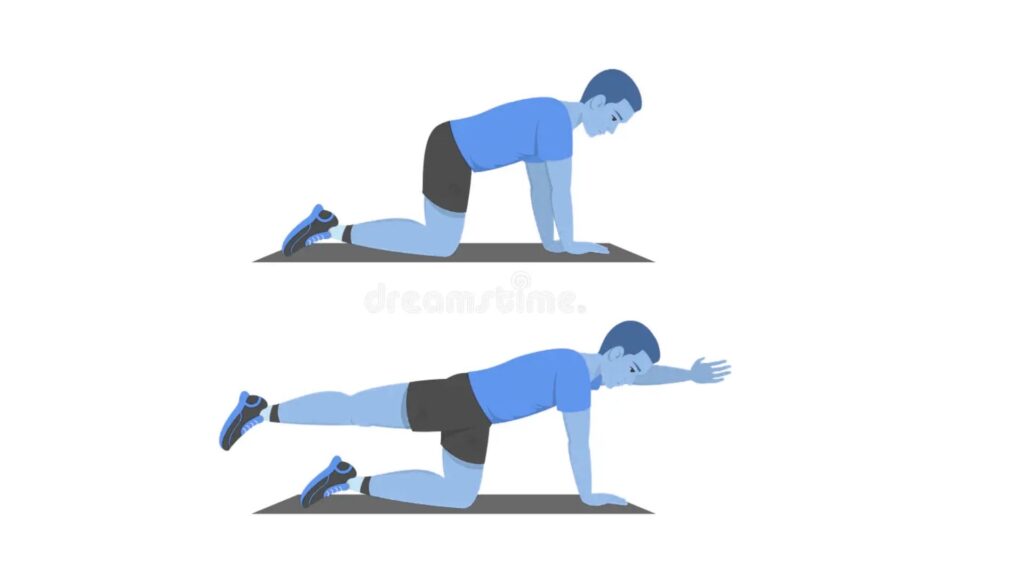
During the move, you start on your hands and knees, then extend one arm and the opposite leg while keeping your torso stable. This engages your core and teaches your body balance and coordination.
Muscles worked:


- Core (rectus abdominis, obliques, transverse abdominis)
- Glutes (gluteus maximus and medius)
- Lower back (erector spinae)
- Shoulders and upper back (deltoids, traps, lats)
This makes it one of the best full-body functional exercises especially for improving spinal alignment and core control.
How to Perform the Bird Dog Exercise Correctly
Getting the form right is crucial for unlocking the full benefits of the Bird Dog. Here’s a step-by-step guide:
- Start on all fours
Place your hands directly under your shoulders and your knees under your hips. Keep your spine neutral not arched or rounded. - Engage your core
Tighten your abdominal muscles as if you’re bracing for a gentle punch. This stabilizes your spine. - Extend opposite limbs
Slowly raise your right arm forward and your left leg backward until both are parallel to the floor. Keep your hips square — don’t let them tilt. - Hold the position
Stay in this extended position for 3–5 seconds while maintaining a steady breath. You’ll feel your core working to keep you balanced. - Return to start
Slowly bring your hand and knee back to the ground and switch sides. - Repeat
Do 10–15 reps per side for 2–3 sets.
Pro Tip: Move slowly and focus on control rather than speed. It’s about stability and alignment, not rushing through the motion.
Top 10 Benefits of the Bird Dog Exercise
Now that you know how to perform it correctly, let’s explore why the Bird Dog exercise is such a powerful addition to your fitness routine.
1. Strengthens the Core
The Bird Dog is one of the most effective exercises for core strengthening without putting stress on the lower back. It engages the deep abdominal muscles (transverse abdominis), which act like a natural corset, protecting your spine and improving posture.
By consistently practicing this exercise, you’ll notice better stability and control in daily activities whether you’re bending, lifting, or twisting.
2. Improves Balance and Coordination
When you lift one arm and the opposite leg, your body must maintain balance. This challenges your coordination and teaches your nervous system to control movement more efficiently. Over time, your sense of balance improves dramatically which is especially helpful for athletes, dancers, and even older adults who want to prevent falls.
3. Enhances Posture
Poor posture is one of the most common problems caused by long hours of sitting or using mobile devices. The Bird Dog corrects this by strengthening the spinal stabilizers and postural muscles. It encourages proper spinal alignment, making it easier to stand tall and move gracefully.
4. Reduces Lower Back Pain
One of the best-known benefits of the Bird Dog exercise is relief from lower back pain. Research shows that this move activates and strengthens the muscles that support the lumbar spine. Unlike crunches or sit-ups, it doesn’t put extra pressure on the back.
By improving spinal stability, the Bird Dog helps prevent injuries and reduces discomfort caused by weak core muscles.
5. Builds Functional Strength
Functional strength means being strong in real-life movements like lifting groceries, playing sports, or getting up from a chair. The Bird Dog trains your muscles to work together, enhancing your ability to perform daily tasks efficiently. It’s not about big muscles it’s about smart movement.
6. Engages the Glutes
Strong glutes play a huge role in maintaining a healthy posture and preventing back and knee pain. During the Bird Dog, your glute muscles fire up to lift and stabilize your leg. This makes it an excellent low-impact way to tone and strengthen your buttocks.
7. Improves Flexibility and Mobility
The controlled motion of extending and retracting your limbs helps improve flexibility in your shoulders, hips, and spine. This mobility boost makes your movements smoother and reduces stiffness particularly beneficial for people who spend long hours sitting.
8. Increases Mind-Body Connection
Because the Bird Dog requires balance and coordination, it forces you to focus mentally on what your body is doing. This develops a strong mind-muscle connection, helping you perform other exercises with more control and awareness.
9. Safe for All Fitness Levels
One of the greatest advantages of the Bird Dog exercise is that it’s accessible to everyone. Whether you’re a beginner, senior, or recovering from an injury, you can modify the move to match your level. It’s low-impact, gentle on the joints, and requires no equipment.
10. Boosts Athletic Performance
Athletes love the Bird Dog because it enhances core stability, power transfer, and movement coordination. Whether you’re a runner, swimmer, or football player, this exercise strengthens the kinetic chain that connects your upper and lower body improving speed, agility, and efficiency.
Common Mistakes to Avoid
Even though the Bird Dog looks simple, small mistakes can limit its effectiveness or even cause strain. Watch out for these common errors:
- Arching or rounding your back: Keep your spine neutral.
- Tilting hips: Don’t let your hips rotate keep them level.
- Moving too fast: Slow, controlled motion is key.
- Not engaging the core: Always tighten your abs before lifting.
- Lifting limbs too high: Keep them aligned with your body, not higher.
Variations of the Bird Dog Exercise
Once you’ve mastered the basic move, you can try variations to make it more challenging or engaging.
- Bird Dog Crunch – Bring your elbow and knee together under your body, then extend again. Great for adding dynamic movement.
- Resistance Band Bird Dog – Loop a band around your foot and opposite hand to increase resistance.
- Bird Dog Plank – Perform the movement from a plank position for an advanced full-core challenge.
- Stability Ball Bird Dog – Place your torso on a stability ball to test your balance further.
- Weighted Bird Dog – Hold light dumbbells for added shoulder engagement.
How to Add Bird Dog to Your Routine
The Bird Dog exercise fits perfectly into almost any workout routine whether it’s a warm-up, cool-down, or part of your core circuit.
For Beginners:
Do 2 sets of 10 reps per side. Focus on maintaining balance and control.
For Intermediate:
Do 3 sets of 12–15 reps per side. Add a short hold (3–5 seconds) at the top.
For Advanced:
Try variations like the Bird Dog Plank or use resistance bands to increase intensity.
You can perform it:
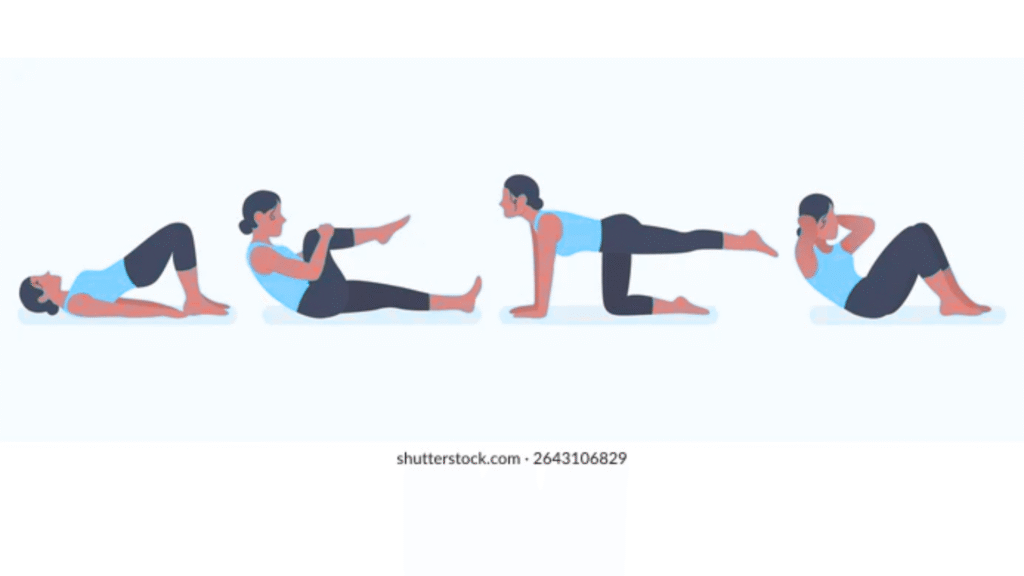
- Before workouts (as a mobility warm-up)
- During your core workout
- After exercise (as part of recovery and posture correction)
- Daily, for just 5–10 minutes
Bird Dog Exercise vs. Traditional Core Workouts
| Feature | Bird Dog | Crunches | Plank |
|---|---|---|---|
| Impact on spine | Low | High | Medium |
| Muscles worked | Core, glutes, shoulders, back | Abs only | Core, shoulders |
| Accessibility | All fitness levels | Limited (back issues) | Moderate |
| Functional benefits | Excellent | Low | Good |
| Injury risk | Very low | Moderate | Low |
As you can see, the Bird Dog offers a more holistic, functional, and joint-friendly approach to core training.
Scientific Support
According to research published in the Journal of Strength and Conditioning Research, exercises like the Bird Dog significantly improve core stability and spinal health. Physical therapists often recommend it for people recovering from lower back injuries or those seeking to improve functional movement patterns.
This means the Bird Dog isn’t just a fitness trend it’s a scientifically-backed movement used by rehabilitation experts and elite athletes alike.
Conclusion
The Bird Dog exercise may look simple, but its benefits are profound. From enhancing balance and posture to strengthening your core and protecting your spine, this movement delivers full-body rewards with minimal risk.
If you want to move better, feel stronger, and prevent pain the Bird Dog should be part of your regular routine. All it takes is a few minutes a day, no equipment, and your commitment to good form.
So, the next time you’re planning your workout, skip the endless crunches and say hello to the Bird Dog your secret weapon for stability, strength, and overall fitness.