Health, Wellness & Mental Well-Being
Best Foods for Kidney Health
Introduction:
Your kidneys are among the most hardworking organs in your body. Every day, they filter nearly 150–180 liters of blood, remove toxins, balance fluids, regulate blood pressure, and support overall health. Despite their importance, kidney issues often go unnoticed until they reach an advanced stage. A healthy diet is one of the most powerful tools for protecting your kidneys.
This comprehensive guide explores the best foods for kidney health, explaining how they support the kidneys, what nutrients matter, and how you can build a kidney-friendly diet to stay healthy and energized.
1. Understanding Kidney-Friendly Nutrition
Before diving into the best foods, it’s essential to understand what kidney-supportive nutrition looks like. The right diet for kidney health generally includes:
Low Sodium
Excess salt forces your kidneys to work harder and increases blood pressure. A lower sodium intake reduces strain on the kidneys.
Balanced Potassium
Too much potassium can be harmful for people with kidney disease, but moderate potassium from healthy foods supports heart and kidney functions.
Low to Moderate Protein
High-protein diets increase waste products, making kidneys work harder. Choosing the right type and amount of protein is key.
Antioxidant-Rich Foods
Oxidative stress damages kidney tissues. Foods rich in antioxidants help fight inflammation and promote repair.
Hydrating Foods
Staying hydrated helps kidneys flush toxins and prevent stones.
With these principles in mind, let’s explore the top foods that naturally boost kidney health.
2. The Best Foods for Kidney Health
2.1 Berries (Blueberries, Strawberries & Raspberries)
Berries are loaded with antioxidants, vitamins, and anti-inflammatory compounds that protect kidneys from oxidative stress.


Why They Help
- Rich in anthocyanins and vitamin C
- Low in potassium (especially blueberries)
- Reduce inflammation and oxidative damage
How to Eat
- Add to smoothies, oatmeal, salads, or snack on them fresh.
2.2 Fatty Fish (Salmon, Mackerel, Sardines)
Fatty fish are excellent for kidney health due to their high omega-3 fatty acid content.
Why They Help
- Reduce inflammation
- Support heart health, which is closely connected to kidney health
- Provide high-quality protein without overburdening kidneys (in moderation)
Best Tips
Aim for 2–3 servings of fatty fish per week. Choose baked or grilled fish instead of fried.
2.3 Leafy Greens (Spinach, Kale, Swiss Chard)
Leafy greens are nutrient powerhouses but some have higher potassium levels. Spinach and kale are good in moderate amounts.
Benefits
- Rich in vitamins A, C, and K
- Support detoxification
- Provide iron and fiber
Tip
If you have advanced kidney issues, consult a doctor about potassium levels.
2.4 Apples
“An apple a day keeps the doctor away” especially for kidney health.
Why They Help
- High in fiber and vitamin C
- Anti-inflammatory
- Helps control cholesterol and blood sugar, reducing kidney strain
How to Eat
Fresh, baked, or added to salads and smoothies.
2.5 Garlic
Garlic adds flavor without increasing sodium and is known for its medicinal benefits.
Why They Help
- Anti-inflammatory and antioxidant
- Supports heart health
- Low in potassium and phosphorus
Tip
Use fresh garlic instead of garlic salt to avoid sodium.
2.6 Cauliflower
Cauliflower is a kidney-friendly alternative to potatoes (which are high in potassium).
Benefits
- High in vitamin C and fiber
- Contains compounds that support detoxification
- Low potassium level makes it ideal for kidney diets
How to Eat
As a roasted snack, mashed alternative, or added to soups.
2.7 Olive Oil
Healthy fats are essential, and olive oil is one of the best for kidney health.
Why They Help
- Rich in antioxidants
- Contains healthy monounsaturated fats
- Helps reduce inflammation
How to Use
Use as a dressing, drizzle on salads, or cook with extra-virgin olive oil.
2.8 Red Grapes
Red grapes are refreshing and kidney-friendly.

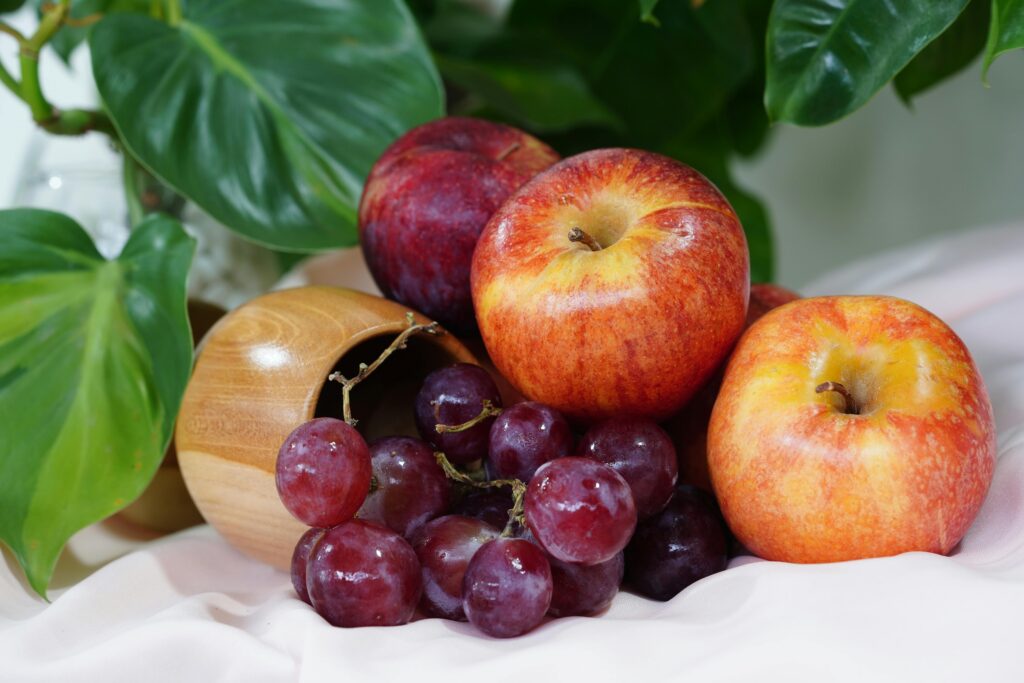
Why They Help
- Packed with flavonoids and resveratrol
- Support kidney blood vessel function
- Reduce inflammation
Tip
A perfect snack or salad topping.
2.9 Egg Whites
Egg whites are an excellent low-phosphorus and high-quality protein source.
Why They Help
- Provide pure protein without stressing kidneys
- Ideal for people with kidney concerns
How to Eat
Add to omelets, salads, sandwiches, or steam them.
2.10 Cabbage
Cabbage is a widely recommended renal-friendly vegetable.
Benefits
- Low in potassium
- Rich in vitamins and phytochemicals
- Helps detoxify the body naturally
How to Eat
Steamed, stir-fried, or added to soups.
2.11 Onions
Onions add depth to meals without adding sodium.
Why They Help
- Packed with antioxidants
- Low in potassium
- Support the liver and kidneys
Tip
Use them generously in cooking for flavor.
2.12 Cranberries
Cranberries are highly beneficial for urinary tract health, which directly supports the kidneys.
Benefits
- Prevent UTIs
- Reduce bacteria growth
- Support urinary flow
How to Include
Drink unsweetened cranberry juice or eat dried cranberries (low sugar).
2.13 Bell Peppers
Bell peppers are low in potassium and rich in vitamin C.
Benefits
- Antioxidant-rich
- Help boost immunity
- Light and refreshing
How to Use
Add to salads, stir-fries, or grill them.
2.14 Watermelon
Watermelon is naturally hydrating, making it excellent for kidney health.
Benefits
- High water content
- Helps reduce kidney stone risk
- Contains lycopene (antioxidant)
Note
People with advanced renal disease may need to monitor potassium.
2.15 Cherries
Cherries provide anti-inflammatory benefits.
Benefits
- Contain anthocyanins
- Reduce kidney inflammation
- May help with kidney stone prevention
2.16 Ginger
Ginger supports kidney cleansing and reduces inflammation.
Benefits
- Improves digestion
- Reduces oxidative stress
- May support blood pressure regulation
2.17 Broccoli
Broccoli is nutrient-dense and kidney-friendly when eaten in moderation.
Benefits
- Contains vitamin C, K, and fiber
- Supports detoxification pathways
- Helps reduce inflammation
3. Foods to Avoid for Kidney Protection
Knowing what not to eat is equally important. Limiting these foods protects kidney health:
Processed and packaged foods
High in sodium, preservatives, and harmful additives.
Red meat in excess
High protein load stresses kidneys.
Soft drinks
Contain phosphates and artificial sweeteners.
Too much salt
Causes high blood pressure and water retention.
High-potassium foods (if you have kidney disease)
Bananas, oranges, tomatoes, potatoes — moderation is key.
Alcohol
Dehydrates the body and strains the kidneys.
4. Hydration and Kidney Health
Water is essential for filtering waste and preventing kidney stones.
Tips
- Drink 6–8 glasses daily unless your doctor advises otherwise.
- Increase intake in hot weather or during exercise.
- Hydrating foods (watermelon, cucumber, oranges) also help.
5. Sample Kidney-Friendly Meal Plan
Breakfast
- Oatmeal topped with blueberries
- Egg white scramble with bell peppers
- Green tea with a spoon of honey
Lunch
- Grilled salmon with steamed cauliflower
- Cabbage salad with olive oil dressing
Snack
- Apple or red grapes
Dinner
- Baked chicken breast (low sodium)
- Stir-fried broccoli and onions
- Fresh cranberry juice
6. Final Thoughts
Kidney health is essential for overall wellbeing, and the right diet plays a major role in protecting these vital organs. By incorporating antioxidant-rich, low-sodium, balanced-protein foods, you can naturally support your kidneys and lower the risk of chronic kidney problems.
Whether you’re looking to prevent kidney disease or support your body after diagnosis, these foods offer powerful benefits. Start slowly, balance your diet, drink enough water, and choose natural, whole foods your kidneys will thank you.