
Tech
The Role of Robotics in Today’s World: A Deep Dive into the Future of Automation


Robotics is no longer a futuristic concept found only in science-fiction movies. It has become an essential technological pillar shaping economies, industries, and societies across the globe. From advanced manufacturing lines and medical surgeries to self-driving cars, agriculture, education, and even household chores, robotics is integrating into everyday life at a rapid pace. As artificial intelligence (AI), machine learning (ML), and automation continue to evolve, robots are becoming more intelligent, efficient, and capable of performing tasks that once required human effort, judgment, or even risk.
In today’s digital world, robotics is not just a symbol of progress it is a driving force behind innovation, productivity, and global transformation. This blog explores in detail the expansive role of robotics, how it is influencing modern industries, the challenges and opportunities it brings, and what the future may hold.
1. Understanding Robotics: A Brief Overview
Robotics combines engineering, computer science, AI, and design to create machines capable of performing tasks autonomously or semi-autonomously. These machines robots can sense their environment, make decisions, and take actions to achieve specific goals.
The key components of modern robots include:
- Sensors: Allow robots to detect obstacles, temperature, motion, sound, and more.
- Actuators: Enable movement through motors, hydraulic systems, or mechanisms.
- Control systems: Process information and command the robot’s actions.
- AI and algorithms: Enable learning, pattern recognition, and decision-making.
Robots today range from simple cleaning devices to highly complex humanoid machines, industrial arms, drones, and medical surgical robots.
2. Robotics in Industry and Manufacturing
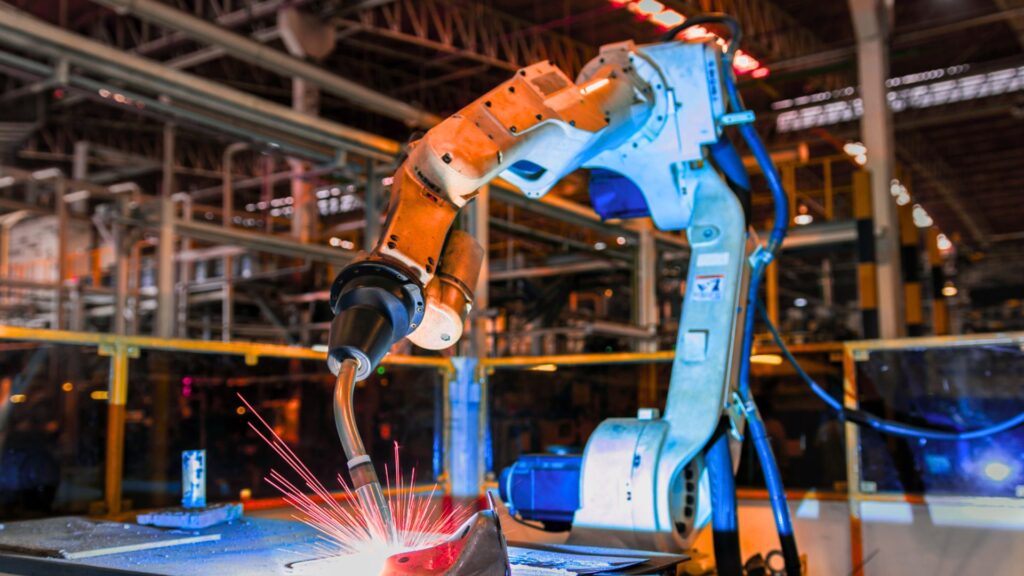
One of the earliest and most impactful uses of robotics is in the industrial sector. Manufacturing plants across the world rely heavily on automated robotic systems to perform repetitive, high-precision, or hazardous tasks.
2.1. Automation and Productivity
Industrial robots increase efficiency by working non-stop without fatigue. This leads to:
- Faster production cycles
- Fewer human errors
- High-quality output
- Lower operational costs
Automobile factories, electronics assembly lines, and packaging units use robotic arms for welding, painting, assembling, sorting, and inspecting products.
2.2. Collaborative Robots (Cobots)
Unlike traditional robots that operate in fenced-off areas, cobots are designed to work alongside humans, assisting rather than replacing them. They are increasingly used in small and medium-sized businesses (SMEs) because they:
- Are safe and easy to program
- Require less space
- Improve worker productivity
2.3. Supply Chain and Logistics
Robots are transforming warehouses and distribution centers. Examples include:
- Automated guided vehicles (AGVs) that transport goods
- Robotic picking systems for inventory management
- Drones used for stock taking and delivery
Companies like Amazon and Alibaba are leading the way in robotic logistics.
3. Robotics in Healthcare: Saving Lives and Improving Quality of Care
Healthcare robotics has seen massive growth. From surgical robots to rehabilitation devices, robotics is making treatments safer and more efficient.
3.1. Robotic-Assisted Surgeries
Surgical robots help doctors perform complex procedures with:

- High precision
- Smaller incisions
- Shorter recovery times
- Reduced surgical risks
Robotic systems are used in cardiac, gynecological, neurosurgical, and orthopedic procedures.
3.2. Rehabilitation and Therapy Robots
Patients recovering from strokes or injuries use robotic exoskeletons and therapy machines to regain mobility.
3.3. Service and Support Robots
Hospitals employ robots for:
- Delivering medicine
- Disinfecting rooms
- Monitoring patients
- Assisting elderly individuals
The COVID-19 pandemic accelerated the use of service robots to reduce human contact and infection risks.
4. Robots in Education and Research
Robotics is shaping the future of learning worldwide.
4.1. Classroom Assistants
Educational robots help students learn science, coding, math, and engineering through hands-on interaction. They make complex topics engaging and easier to understand.
4.2. Support for Students with Special Needs
Robotic systems assist students with disabilities by providing communication tools, therapy assistance, and personalized learning support.
4.3. Research and Innovation
Robots play a key role in scientific research, including:
- Space studies
- Deep-sea exploration
- Climate monitoring
- Artificial intelligence developments
5. Robotics in Agriculture: The Smart Farming Revolution
Global food demand is rising, and robotics helps modern agriculture run more efficiently and sustainably.
5.1. Precision Farming
Agricultural robots use sensors, data analytics, and AI to:
- Monitor soil health
- Identify pests
- Track crop growth
- Manage irrigation
5.2. Farming Robots
Examples include:
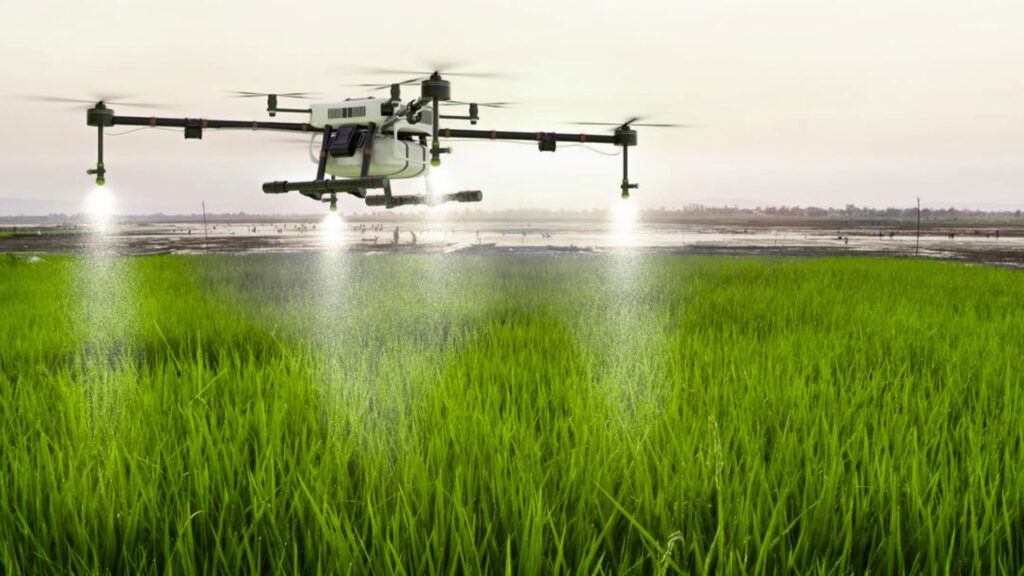
- Drone sprayers
- Autonomous tractors
- Harvesting robots
- Seed-planting robots
These systems increase crop yields, reduce labor costs, and limit the use of chemicals.
6. Robotics in Transportation: The Road to Autonomy
Transportation is experiencing a historic transformation through robotics.
6.1. Self-Driving Cars
Autonomous vehicles use a blend of robotics, sensors, AI, and mapping technology to drive without human input. Although still in development, they aim to:
- Reduce accidents
- Improve fuel efficiency
- Ease traffic congestion
6.2. Drones
Drones are used for:
- Surveillance
- Delivering packages
- Inspecting infrastructure
- Mapping areas
- Supporting rescue operations
6.3. Autonomous Public Transport
Robotic buses, trams, and shuttles are being tested in smart cities.
7. Robotics in Defense and Security
Security forces rely on robots to handle dangerous tasks.
7.1. Bomb Disposal Robots
These robots safely inspect and defuse explosive devices, protecting human lives.
7.2. Military Drones
Drones are used for:
- Surveillance
- Border patrol
- Tactical missions
7.3. Patrol and Surveillance Robots
These robots monitor public spaces, detect intruders, and report suspicious activity.
8. Robotics in Homes: Making Everyday Life Easier
Robots have entered domestic life, creating smart and convenient lifestyles.
8.1. Cleaning Robots
Vacuum robots, window cleaners, and lawn-mowing robots save time and effort.
8.2. Smart Assistants
AI-powered devices like smart speakers and home assistants help users control appliances, manage schedules, and access information.
8.3. Companion Robots
Designed especially for the elderly, these robots provide:
- Emotional support
- Monitoring
- Emergency alerts
9. Social and Economic Impact of Robotics
Robotics brings major benefits, but it also introduces challenges.
9.1. Economic Growth
Automation boosts productivity, reduces costs, and helps businesses scale faster.
9.2. Job Transformation
While robots can perform repetitive tasks, they also create new job categories such as:
- Robot maintenance
- Programming
- Data analysis
- System integration
The workforce must reskill to adapt to new roles.
9.3. Improved Safety
Robots reduce workplace accidents by handling hazardous tasks.
9.4. Ethical Concerns
There are ongoing debates about:
- AI decision-making
- Privacy
- Human replacement
- Bias in algorithms
A balanced approach is essential.
10. The Future of Robotics: What Lies Ahead
The next decade will bring smarter, more capable, and more human-like robots.
10.1. AI-Enabled Robots
AI will make robots more autonomous and capable of learning tasks without programming.
10.2. Humanoid Robots
Humanoids will serve in customer service, hospitality, retail, and even caregiving.
10.3. Robotics in Space Exploration
Future missions may include:
- Robotic lunar bases
- Mars construction robots
- Autonomous exploration vehicles
10.4. Hyper-Automation
Combining robotics with AI, big data, and cloud computing will transform the global workforce.
Conclusion
Robotics is shaping the world in ways we could only imagine a few decades ago. It improves safety, enhances productivity, supports critical industries, and enriches human lives. From factories and farms to hospitals, schools, and homes, robotics is making everyday processes smarter and more efficient. As AI and automation grow stronger, robots will become even more deeply integrated into society.
The challenge is not to fear robots but to understand how they can work with us, help us, and open doors to new opportunities. The future belongs to humans and robots working side by side to build a safer, smarter, and more advanced world.
In today’s fast-moving industrial and supply chain world, many technical codes, product identifiers, and trade terms are used to simplify global operations. One such code that often appears in documentation, packaging, product catalogs, and trade communications is S-40533E1 (EXW). For a newcomer, this term may look confusing, but in reality, its meaning becomes simple once you break it down into parts.
This article explains what S-40533E1 (EXW) means, its features, uses, and why it matters all in clear and easy language. Whether you are a student, buyer, trader, or anyone working in manufacturing or logistics, this guide will help you understand this code without technical complexity.
What Is S-40533E1?
The code S-40533E1 is generally used as a product or item identifier. Many companies around the world use alphanumeric codes like this to keep track of their products. These codes help avoid confusion, especially when product names are long, technical, or used in different languages.
Although different organizations may use different structures, codes like S-40533E1 typically represent:
- S – The series or category
- 40533 – A unique product or batch number
- E1 – A version, model, or specification level
In simple words, S-40533E1 is a specific product code related to a particular item, part, or material. It ensures that buyers, suppliers, and teams identify the product correctly during ordering, shipping, or inventory management.
What Does EXW Mean?
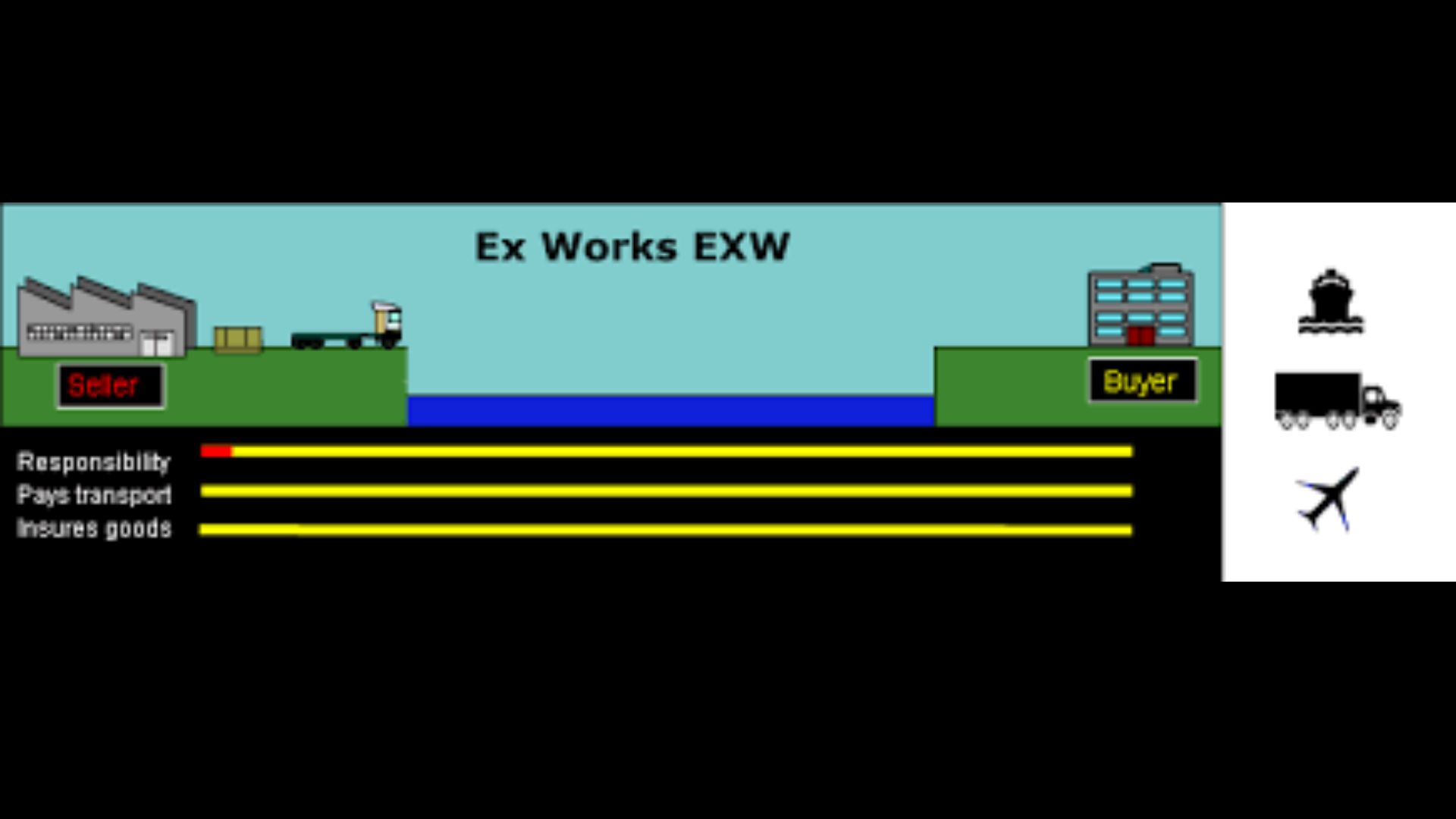
The term EXW stands for Ex Works, which is one of the official Incoterms (International Commercial Terms) used in global trade. It defines who is responsible for what during transportation.
EXW in Easy Words
Under EXW, the seller’s responsibility is minimal.
The seller only needs to make the goods available at their factory or warehouse.
All other steps pickup, loading, transport, customs, taxes are handled by the buyer.
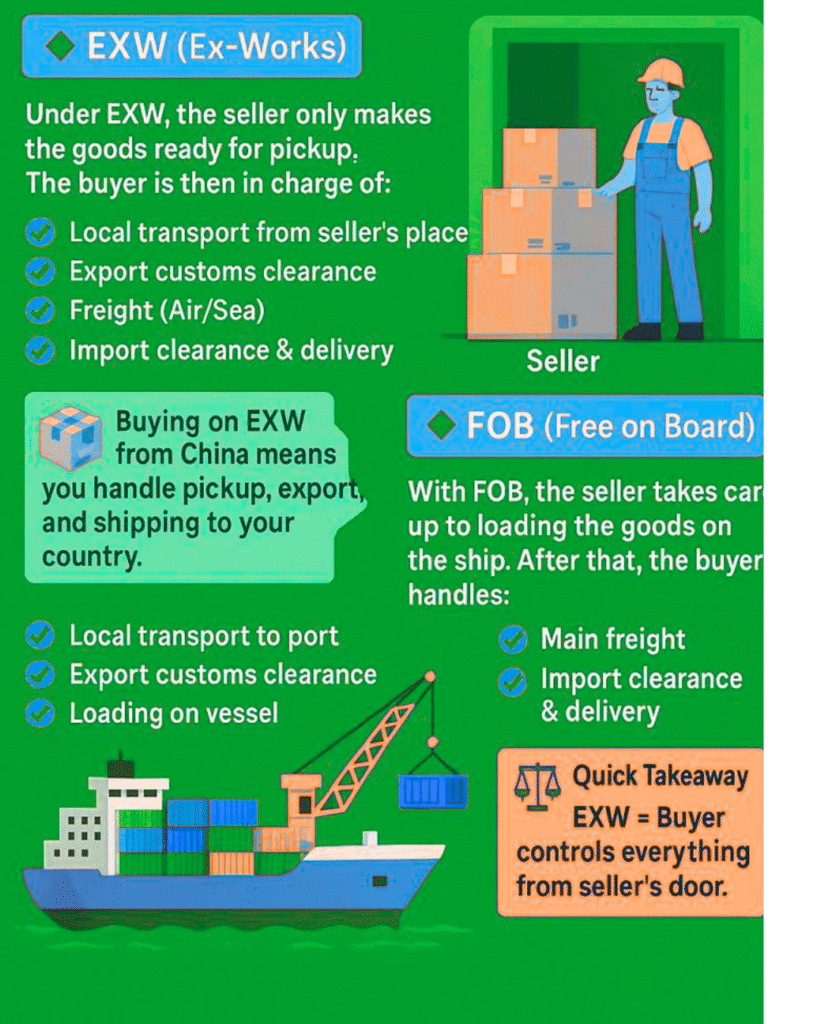
Key Points of EXW (Ex Works)
- The buyer arranges transportation.
- The buyer handles export and import duties.
- The seller only prepares the goods for pickup.
- The transaction is considered complete when goods are ready for collection.
So, when you see S-40533E1 (EXW), it means that the product identified by the code S-40533E1 is sold under EXW shipping terms.
Why Is S-40533E1 (EXW) Used?
There are several reasons companies use structured codes and EXW terms together:
1. Clear Communication
Alphanumeric codes help avoid mistakes.
Instead of saying “the large steel component with a special finish,” the supplier simply refers to S-40533E1.
2. Inventory Control
Product codes help warehouses track stock levels, maintain quality records, and manage batches correctly.
3. Trade Transparency
When paired with EXW, the buyer clearly knows that they need to arrange transportation.
4. International Standardization
Key Features of S-40533E1 (EXW)
Codes like S-40533E1 make global buying and selling easier across languages and regions.
Although the exact features depend on the product itself, several general features apply when such coded items are sold under EXW terms.

1. Unique Product Identification
The code S-40533E1 clearly separates this item from others in the same category.
This prevents mix-ups when multiple models or variants exist.
2. Version or Model Indicator
The E1 at the end typically indicates a version, specification, or performance level.
It means the product may have upgrades or alternative models.
3. Traceability
Manufacturers often use codes to track:
- Production date
- Batch number
- Material used
- Quality checks
- Certifications
This traceability becomes essential for audits, warranty, and safety compliance.
4. EXW Shipping Advantage
EXW allows:
- Faster shipment releases
- Less responsibility for the seller
- More control for the buyer
This is especially useful when the buyer has their own logistics network.
5. Documentation Support
Products with such codes usually include:
- Technical datasheets
- Packaging information
- Export documents
- Instruction manuals
These documents also reference the same code for consistency.
Where Is S-40533E1 (EXW) Commonly Used?
Codes like S-40533E1 are used across many industries. Although the exact item varies, common sectors include:
1. Manufacturing
Factories often use product codes for machine parts, components, or raw materials.
2. Electronics
Circuit boards, chips, and modules commonly use alphanumeric IDs similar to S-40533E1.
3. Automotive
Car manufacturers use codes for:
- Spare parts
- Engine components
- Electrical systems
S-40533E1 could easily represent a part in an OEM (Original Equipment Manufacturer) catalog.
4. Construction Materials
Specialized materials such as:
- Metal sheets
- Coatings
- Pipes
- Fittings
are often labeled with such codes.
5. Industrial Equipment
Codes help track tools, accessories, and safety equipment across multiple job sites.
How S-40533E1 (EXW) Helps Buyers and Sellers
Both parties benefit from using such clear identifiers and standardized trade terms.
Buyer Benefits
- Easy identification of the exact product
- Lower price due to EXW (since seller handles fewer logistics)
- Control over shipping method and cost
- Greater transparency in documentation
Seller Benefits
- Less responsibility in shipping
- Clear documentation and reduced disputes
- Simple packaging and handover process
- Lower risk of damage claims during transport
Step-by-Step: How an S-40533E1 (EXW) Order Usually Works
Here is a simplified process flow that helps explain the practical side:
1. Buyer Requests Information
The buyer identifies the code S-40533E1 in a catalog or product list and asks for price, minimum order quantity, and availability.
2. Seller Shares Details
The seller provides:
- Product specifications
- Pricing
- EXW terms
- Pickup location
3. Buyer Confirms Order
Once satisfied, the buyer places the order referencing the exact code.
4. Seller Prepares Goods
The seller prepares the goods for pickup at their facility.
5. Buyer Arranges Transport
The buyer organizes:
- Vehicle
- Loading assistance (if needed)
- Export customs
- Freight forwarding
6. Goods Are Collected
The goods are collected, and responsibility shifts fully to the buyer.
7. Shipment Continues
The cargo moves through export and import channels until it reaches its destination.
Important Things to Know About EXW When Ordering S-40533E1
To avoid confusion, here are some practical notes:
1. Loading Is Usually Buyer’s Responsibility
Unless stated otherwise, the seller is not responsible for loading the goods onto the buyer’s truck.
2. Customs Paperwork
The buyer handles all customs documentation.
Some countries may require sellers to assist; this should be agreed upon beforehand.
3. Cost Transparency
With EXW, the base price may seem low, but shipping costs may be higher depending on:
- Distance
- Freight method
- Taxes
- Handling fees
4. Insurance
The buyer decides whether to take insurance or not.
Common Questions About S-40533E1 (EXW)
1. Is S-40533E1 a standard global code?
Not necessarily. It is a structured internal product code used by a specific manufacturer or supplier.
2. Does EXW include loading onto the truck?
No, unless the contract specifically states otherwise.
3. Can international buyers use EXW?
Yes. It is often used for global exports, especially for bulk orders.
4. Is EXW the cheapest term?
It can be, but total shipping cost depends on the buyer’s logistics arrangements.
Conclusion
S-40533E1 (EXW) is a combination of a unique product code and a global trade term that defines how the product is sold and handed over. Understanding this term helps buyers and sellers communicate clearly, avoid mistakes, and manage orders efficiently.
In simple terms:
- S-40533E1 identifies a specific product.
- EXW (Ex Works) means the buyer handles all transportation responsibilities.
- Together, they create a straightforward and transparent purchase process.
Whether you work in manufacturing, trading, logistics, or procurement, knowing the meaning and implications of codes like S-40533E1 (EXW) gives you confidence and clarity in handling industrial and commercial transactions.
FAQ Section
Q1: What does S-40533E1 (EXW) mean?
A1: S-40533E1 refers to a specific product or component, and EXW (Ex Works) indicates that the buyer is responsible for shipping from the seller’s location.
Q2: Where is S-40533E1 (EXW) commonly used?
A2: It is used in industries like logistics, manufacturing, engineering, and technical projects.
Q3: What are the main features of S-40533E1?
A3: Key features include high reliability, user-friendly design, compatibility, cost-effectiveness, and versatile applications.
Q4: Who is responsible for shipping under EXW?
A4: The buyer is responsible for all shipping, customs, and logistics from the seller’s location.
Q5: Can beginners use S-40533E1?
A5: Yes, S-40533E1 is designed to be user-friendly, but buyers should understand EXW shipping responsibilities.

Artificial Intelligence (AI) is reshaping industries around the world. From healthcare and finance to education and transportation, AI has become one of the fastest-growing technological revolutions of the decade. Investors are eager to find ways to benefit from this boom and one of the most attractive options is investing in AI stocks under $10.
Why under $10?
Because many of these lower-priced stocks represent emerging companies working on innovative AI solutions. While they carry higher risks compared to big names like Nvidia or Microsoft, they also offer massive growth potential if their technologies succeed.
In this detailed guide, we’ll explore what AI stocks under $10 are, the advantages and risks of investing in them, and some promising examples to keep on your watchlist in 2025.
Understanding Artificial Intelligence Stocks
Artificial Intelligence stocks belong to companies that develop, apply, or benefit from AI technology. These companies might focus on:
- Machine learning (building models that analyze data and predict outcomes)
- Natural language processing (AI that understands and generates human language)
- Computer vision (AI that interprets visual data, such as facial recognition or self-driving cars)
- Automation and robotics (AI systems that replace manual tasks)
- Data analytics (AI-powered insights for better business decisions)
The AI market is growing rapidly, expected to exceed $1 trillion globally in the next few years. This expansion means even small-cap and mid-cap companies are racing to create new AI-powered tools and platforms.
Why Focus on AI Stocks Under $10?
Stocks trading below $10 attract attention for one simple reason: affordability and growth potential. Investors can buy more shares at a lower cost and possibly benefit from large percentage gains if the stock price rises.
Here are some reasons to consider AI stocks under $10:

1. Entry-Level Accessibility
Low-cost stocks make it easier for beginners to start investing. You don’t need thousands of dollars to build a diversified AI-focused portfolio.
2. Early-Stage Innovation
Many sub-$10 AI companies are in the early stages of innovation. They may not be profitable yet, but they are developing unique AI technologies that could disrupt markets in the future.
3. High Growth Potential
If an AI startup secures a big partnership, government contract, or new product success, its stock can multiply in value quickly.
4. Portfolio Diversification
Adding a few small AI stocks under $10 to your portfolio provides exposure to a fast-growing sector without risking large sums of capital.
Risks of Investing in AI Stocks Under $10
While the upside can be impressive, investors must understand the risks:
1. Volatility
Low-priced stocks tend to fluctuate dramatically. A 20–30% move in a single day is not uncommon.
2. Limited Resources
Smaller AI companies often lack financial stability. If their products fail or funding dries up, the stock can lose most of its value.
3. Speculation Over Fundamentals
Some companies label themselves as “AI-driven” to attract investors, even when their AI integration is minimal. Always research before investing.
4. Market Manipulation
Penny stocks (under $5) are sometimes prone to pump-and-dump schemes. Stick to companies listed on reputable exchanges like NASDAQ or NYSE.
Promising Artificial Intelligence Stocks Under $10 (2025)
Below is a list of AI-related companies whose share prices have traded under $10 and are worth researching further. These companies operate in AI software, data analytics, robotics, and automation sectors.

1. BigBear.ai (Ticker: BBAI)
Overview:
BigBear.ai provides AI-driven analytics and decision-making tools for defense, manufacturing, and logistics sectors. Its technology helps organizations process large datasets and make smarter predictions.
Why It’s Interesting:
- Works with U.S. government agencies and large enterprises.
- Focus on defense and logistics makes it relevant in global security trends.
- Potential growth if government contracts expand.
Key Risks:
Reliance on defense contracts and slow adoption in the private sector.
2. Veritone Inc. (Ticker: VERI)
Overview:
Veritone develops an AI platform that processes audio, video, and text data using machine learning models. It serves clients in media, entertainment, and law enforcement.
Why It’s Interesting:
- Provides AI-powered transcription, content tagging, and data analytics.
- Partnerships with broadcasters and law firms create recurring revenue.
- Its “aiWARE” platform can host third-party AI models.
Key Risks:
High competition and slow profitability growth.
3. Rekor Systems Inc. (Ticker: REKR)
Overview:
Rekor Systems specializes in AI-based vehicle recognition and traffic data analytics. Its technology helps governments and transportation departments monitor and manage traffic flow.
Why It’s Interesting:
- Provides real-time roadway intelligence to municipalities.
- Expanding adoption of smart city infrastructure.
- Recurring revenue from cloud-based traffic data services.
Key Risks:
Government contract dependence and slow rollout timelines.
4. Guardforce AI (Ticker: GFAI)
Overview:
Guardforce AI offers security and robotics solutions powered by artificial intelligence. It operates in the Asia-Pacific region, providing AI-driven surveillance and robotic security.
Why It’s Interesting:
- Combines robotics and AI for physical and digital security.
- Expanding into cybersecurity and automation services.
- Potential to grow as smart security demand rises.
Key Risks:
High competition and regulatory challenges in foreign markets.
5. FiscalNote Holdings (Ticker: NOTE)
Overview:
FiscalNote uses AI to analyze and track government legislation, policies, and regulations for businesses and organizations.
Why It’s Interesting:
- Unique niche in AI-driven policy and data analytics.
- Subscription-based business model creates recurring income.
- Increasing demand from businesses needing regulatory insights.
Key Risks:
Uncertain profitability timeline and limited market awareness.
6. Lantronix Inc. (Ticker: LTRX)
Overview:
Lantronix develops networking and Internet of Things (IoT) solutions. The company integrates AI at the edge allowing devices to process data locally for faster, smarter performance.
Why It’s Interesting:
- Exposure to IoT and AI edge computing trends.
- Strong potential as industries digitize operations.
- Collaboration with major tech manufacturers.
Key Risks:
Competition from larger IoT companies.
7. Cyngn Inc. (Ticker: CYN)
Overview:
Cyngn focuses on autonomous vehicle technologies for industrial applications, such as driverless forklifts and factory robots.
Why It’s Interesting:
- Focused on commercial autonomy, not just consumer cars.
- AI-driven navigation and safety systems.
- Partnerships in logistics and warehousing industries.
Key Risks:
Early-stage business with uncertain revenue growth.
How to Evaluate AI Stocks Under $10
Before investing in any of these companies, follow a structured research approach. Use the checklist below to analyze each stock carefully.
1. Business Model
Understand how the company makes money. Does it sell hardware, software subscriptions, or consulting services?
2. Market Opportunity
Is the company targeting a growing AI sector like self-driving cars, automation, or predictive analytics?
3. Financial Health
Review revenue growth, cash flow, and debt levels. Many AI startups run at a loss, so make sure they have enough funding to survive.
4. Partnerships and Clients
Big clients or contracts can validate a company’s technology. Check for collaborations with governments or global enterprises.
5. Leadership Team
Strong management with technical and business experience increases the chances of long-term success.
6. Innovation and Intellectual Property
Companies with unique AI models, patents, or proprietary data have a stronger competitive edge.
7. Stock Liquidity
Avoid extremely low-volume stocks. Thinly traded shares can be difficult to sell quickly without moving the price.
8. Exchange Listing
Prefer companies listed on major exchanges (NASDAQ, NYSE) rather than OTC markets for better transparency and regulation.

Tips for Investing in Low-Priced AI Stocks
- Start Small:
Begin with a small investment. Treat it as a speculative position rather than a core holding. - Diversify:
Don’t put all your money into one stock. Spread your investment across multiple AI companies. - Focus on Long-Term Trends:
AI growth will continue for decades. Be patient and avoid short-term panic selling. - Avoid Hype:
Many small companies overuse the term “AI” to attract attention. Look for real technology and proven results. - Set a Stop-Loss:
Decide your maximum loss in advance. This prevents emotional decision-making during market volatility.
Long-Term Outlook for AI Stocks
Artificial Intelligence is more than just a buzzword it’s transforming how businesses operate. From automation in factories to predictive analytics in medicine, AI has endless applications.
Analysts expect AI investments to grow exponentially by 2030, meaning even smaller companies that survive and scale could see their valuations soar. However, not every AI startup will succeed. The key is identifying those with strong fundamentals, clear business models, and sustainable growth strategies.
Final Thoughts
Investing in Artificial Intelligence stocks under $10 can be exciting and rewarding — but it requires patience, discipline, and smart research. The companies listed above represent just a sample of what’s out there. Some may evolve into major players, while others might struggle to compete.
Remember:
- Cheap doesn’t always mean undervalued.
- Focus on companies with real products, customers, and growth potential.
- Always research before investing and never rely solely on hype.
The AI revolution is just beginning. Whether through autonomous vehicles, smart cities, or advanced data analytics, the next generation of innovation is already here and some of these affordable AI stocks could become tomorrow’s market leaders.


Introduction
Selling gift cards is one of the smartest ways to boost revenue, attract new customers, and build long-term loyalty. Whether you run a local salon, restaurant, retail shop, or eCommerce store, gift cards can generate instant cash flow while promoting your brand.
In this guide, you’ll learn exactly how to sell gift cards — both online and in real life — step by step. We’ll cover setup, tools, pricing, legal rules, and practical marketing tips to help you start selling confidently.
1. Understand the Two Main Types of Gift Cards
Gift cards come in two main forms — digital and physical.
- Digital gift cards: Sent instantly through email or text. Ideal for online stores and last-minute shoppers.
- Physical gift cards: Printed and handed out in-store. These work well in local businesses, cafes, spas, and retail spaces.
- Hybrid approach: The best of both worlds — offer digital cards online and physical cards for walk-in customers.
2. Choose the Right Platform to Sell Gift Cards
Online Options
- WooCommerce on WordPress
- Use plugins like PW WooCommerce Gift Cards or YITH WooCommerce Gift Cards.
- Customize denominations and add email delivery.
- Works perfectly for businesses running WordPress sites.
- Shopify
- Offers built-in support for digital and physical gift cards.
- Easy checkout process with email templates.
- Square or Toast POS
- Great for restaurants, salons, and small retail shops.
- Sell and redeem gift cards both online and offline.
In-Person Options
If you sell mainly at a physical location:
- Use POS gift card systems like Square, Clover, or Lightspeed.
- Display gift cards near the checkout counter or in visible racks.
- Train staff to explain gift card options clearly to customers.
3. How to Set Up Gift Cards on WordPress (WooCommerce)
- Install and activate WooCommerce.
- Add a plugin like PW WooCommerce Gift Cards.
- Create a “Gift Card” product.
- Set price options — fixed amounts like $25, $50, or custom values.
- Customize the email design or downloadable PDF.
- Test the purchase and redemption process.
- Create a dedicated “Gift Cards” page in your site’s main menu.
This setup ensures a seamless user experience and builds trust with your buyers.
4. Pricing, Terms, and Legal Considerations
- Offer flexible denominations — e.g., $10, $25, $50, $100.
- Avoid hidden fees or short expiration periods (some regions legally prohibit expiration).
- Clearly display redemption terms and refund policies.
- Most states require unredeemed balances to be treated as deferred revenue — consult your accountant for local tax rules.
5. Marketing Strategies to Sell More Gift Cards
Make Them Visible
- Add a “Gift Cards” link in your main website navigation.
- Feature them on your homepage and checkout page.
- Create banners or pop-ups promoting gift cards during holidays or special events.
Seasonal Promotions
- Offer limited-time deals like “Buy a $50 Gift Card, Get $10 Free.”
- Create campaigns for Mother’s Day, Christmas, Valentine’s Day, and birthdays.
Email and Social Media
- Send newsletters highlighting gift card options.
- Post about them on Instagram, Facebook, and Google Business Profile.
- Use gift card giveaways to engage your audience.
Local Collaborations
Partner with nearby businesses. For example, a spa can team up with a café to offer a joint gift card package.
6. Offline Selling: In-Store and Event Sales
- Display physical gift cards near the register or service desk.
- Offer beautifully designed cards with envelopes for gifting appeal.
- Sell them at local markets, pop-ups, or holiday fairs.
- Use QR codes that link directly to your online purchase page.
Train your staff to explain how customers can use and reload their cards.
7. Prevent Fraud and Keep Transactions Secure
- Generate unique gift card codes for each order.
- Use HTTPS encryption and trusted payment gateways like Stripe or PayPal.
- Limit redemption attempts to prevent brute-force fraud.
- Monitor for suspicious bulk purchases.
- Always verify high-value transactions before delivery.
8. Track Your Results
Measure your gift card program performance with:
- Total gift card sales per month.
- Redemption rates.
- Average order value after redemption.
- New vs. returning customer ratios.
You can view these metrics directly inside WooCommerce Analytics or your POS dashboard
09. Launch Checklist
✅ Add “Gift Cards” page to your website menu.
✅ Set up WooCommerce or your chosen gift card plugin.
✅ Customize delivery emails and printable designs.
✅ Add structured data and internal links.
✅ Promote through social media and email.
✅ Monitor analytics monthly.
Conclusion
Selling gift cards isn’t just about convenience — it’s a powerful business strategy that increases cash flow, attracts new customers, and strengthens brand loyalty.
With the right setup and promotion, your online store or physical shop can turn gift cards into a consistent revenue stream.
Start today: create your “Gift Cards” page, promote it across your channels, and make giving easier for your customers — whether they shop online or in person.


How to Remove a Virus from Android (Complete Guide 2026)

Spring/Summer 2026 Fashion Trends You Can Shop Now

How to Detect and Remove Spyware From an Android Phone 2026


-

 Fashion6 months ago
Why ’90s Fashion Still Dominates Today’s Style Scene
-

 Fashion6 months ago
Top Fashion Trends to Follow in August 2025
-

 How-to Guides6 months ago
How to Restore Pantone Colors in New Illustrator Versions (2026 Guide)
-

 Politics5 months ago
Reddit Politics: A Deep Dive into Online Political Discourse
-

 How-To Tutorials & Troubleshooting5 months ago
How to Screenshot on Mac: The Complete 2025 Guide