
Sustainable Living & Lifestyle
Fast Food Trends in the Young Generation (2025 Guide)

Introduction
The fast food industry has always mirrored social change and no generation has influenced it more than today’s youth. The young generation, especially Gen Z and millennials, are redefining what “fast food” means. For them, it’s not just about convenience and taste; it’s about experience, personalization, and lifestyle.
In 2025, the fast food landscape looks completely different from a decade ago. Food delivery apps, global fusion cuisines, health awareness, and social media influence are shaping how young people eat. Let’s explore the major fast food trends that define the young generation’s eating habits today.
1. Digital Convenience and Food Delivery Culture
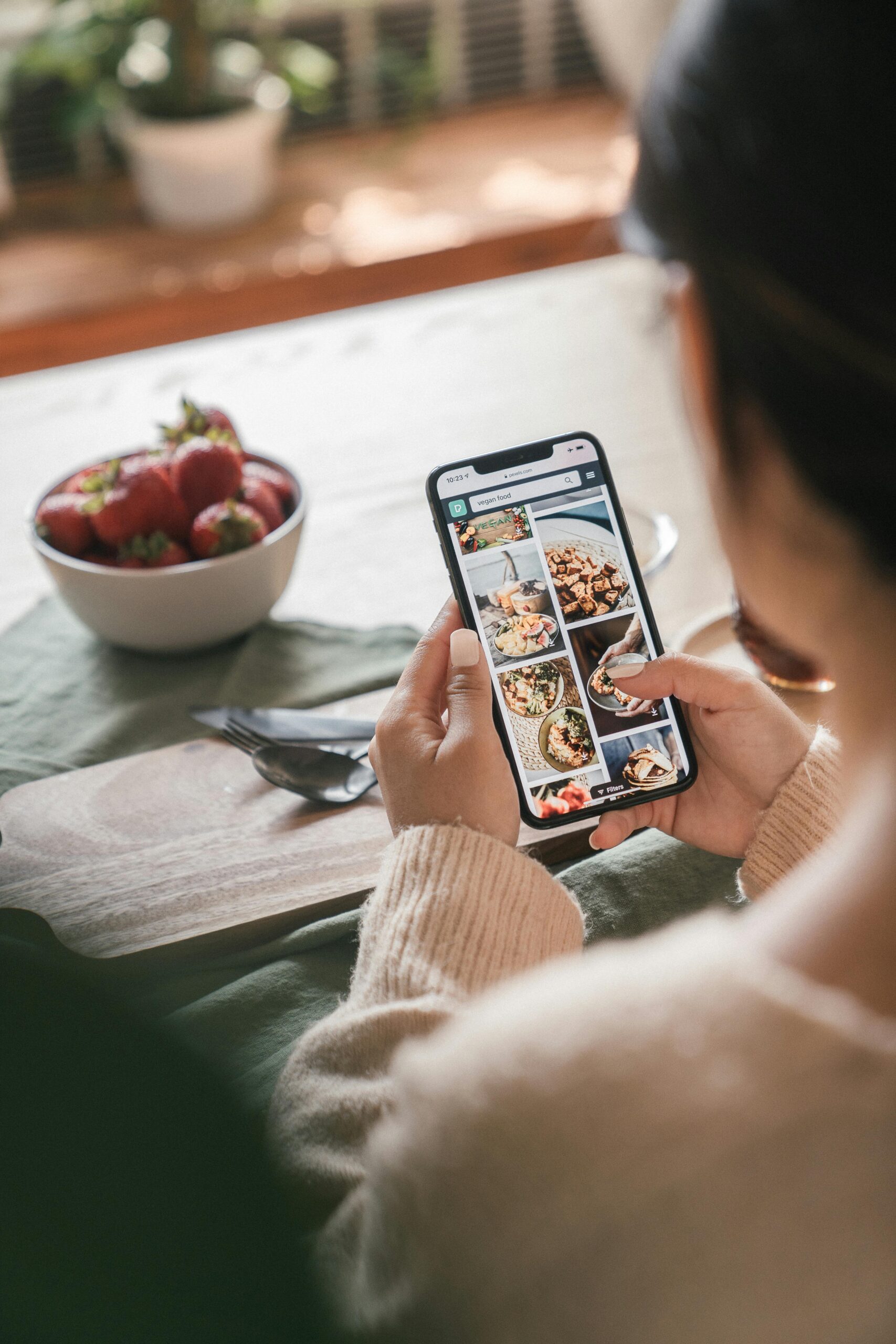
Technology has transformed how young people connect with food. Ordering meals online is now a part of everyday life. Apps like Foodpanda, Uber Eats, and DoorDash have made it easier than ever to satisfy cravings at the tap of a screen.
For Gen Z, convenience and speed are top priorities. They expect:

- Fast delivery and real-time tracking
- Digital payments and personalized offers
- Contactless ordering through self-service kiosks
Studies show that more than 60% of Gen Z orders food online at least once a week. This demonstrates how much they value effortless accessibility and tech-driven comfort in their dining experience.
2. Global Flavors and Experimental Menus
The young generation is adventurous when it comes to food. They are eager to try bold and international flavors, going beyond the traditional burgers and fries.
Fusion and cross-cultural dishes have become popular, such as:
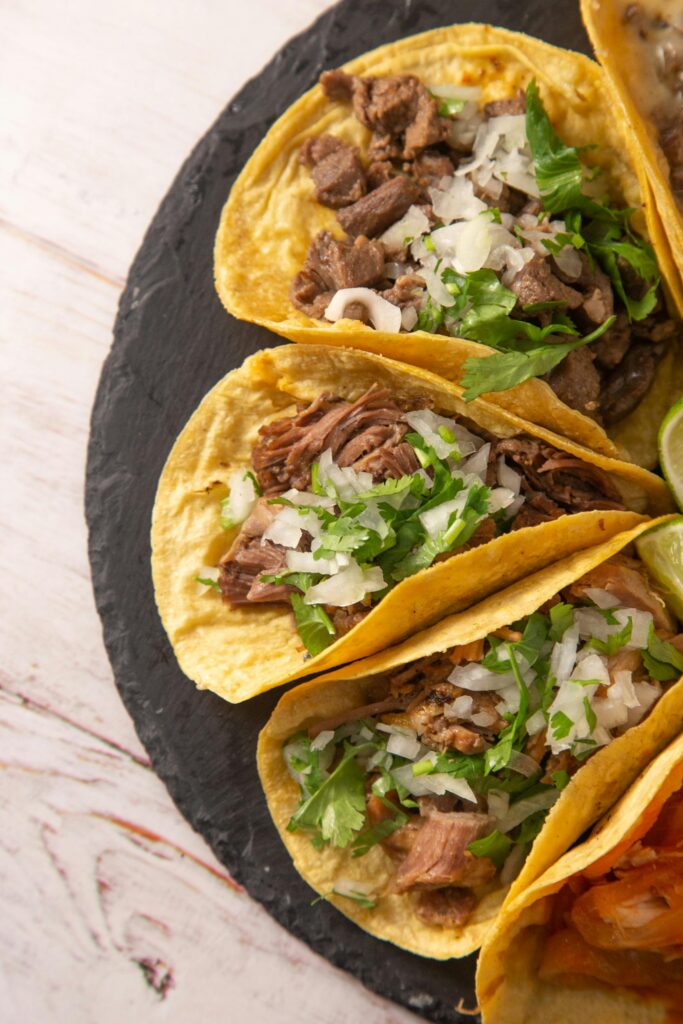
- Korean BBQ tacos
- Indian-style pizzas
- Spicy Thai burgers
- Cheesy ramen bowls
Globalization and social media exposure have opened the doors to new food ideas. TikTok and Instagram play a major role in inspiring people to try trending dishes. Fast food chains now introduce limited-time items to capture this excitement.
The youth crave novelty, and brands that keep updating their menus with unique flavors stand out in the competitive market.
3. Healthier Fast Food Options
The younger generation is surprisingly more health-conscious than previous ones. They still love fast food, but they want it to be healthier, lighter, and more balanced.
Common trends include:
- Plant-based burgers made with soy or lentil patties
- Grilled chicken instead of fried
- Whole grain buns and wraps
- Smoothie bowls and fresh salads as side options
Restaurants are responding by including calorie counts on menus and offering more vegetarian or vegan choices. Even global giants like McDonald’s and KFC have started offering healthier versions of their classic meals.
This shows that fast food can evolve without losing its fun or flavor meeting the needs of a generation that wants both taste and wellness.
4. Sustainability and Eco-Friendly Choices
The young generation is deeply aware of environmental issues. They want to support brands that care about the planet. Fast food chains are being pushed to adopt eco-friendly practices such as:
- Using biodegradable packaging
- Reducing plastic waste
- Partnering with local farmers for fresh ingredients
- Introducing plant-based menu options to reduce carbon footprint
Young consumers are more likely to stay loyal to a restaurant that demonstrates environmental responsibility. This trend shows that eating fast food no longer means ignoring sustainability it can mean supporting a cleaner, greener planet.
5. Customization and Value for Money
Another strong trend among the youth is the demand for customizable meals. The idea of building your own burger, wrap, or salad appeals to their desire for control and creativity.
Fast food brands like Subway and OPTp are popular because they let customers choose their ingredients, sauces, and portion sizes. This personalization makes eating more enjoyable and interactive.
At the same time, value for money remains crucial. With inflation and limited budgets, young consumers seek combo deals, student discounts, and reward points. Brands that offer affordable yet high-quality meals are winning over the younger market.
The trend of smaller portions like mini meals and snack boxes also aligns with their spending habits and snacking culture.

6. Snacking Over Traditional Meals
Modern lifestyles have changed eating patterns. Instead of having three large meals a day, many young people now prefer multiple small snacks.
Busy routines, work pressure, and late-night study sessions make fast food the ideal solution. Popular snack choices include:
- Sliders and mini burgers
- Chicken wings and nuggets
- Loaded fries
- Wraps and sandwiches
This “snackification” of meals allows young people to eat conveniently without committing to a full meal. Fast food chains have quickly adapted by offering snack menus, combo boxes, and shareable portions to fit this lifestyle.
7. Social Media and Viral Food Trends
Social media has become one of the most powerful influences on the young generation’s food choices. Platforms like TikTok, YouTube Shorts, and Instagram Reels drive viral food trends that spread globally within hours.
Whether it’s a new sauce, a giant burger, or a unique milkshake, if it looks good on screen it sells. Many fast food brands now design their products to be “Instagrammable” colorful, creative, and camera-friendly.
Influencers and food vloggers play a massive role in this. A single viral video can boost a restaurant’s sales overnight. This has turned food into not just nourishment but also entertainment and expression.
For today’s youth, dining out is as much about the experience and shareability as it is about the flavor.
8. The Rise of Local Fast Food Brands
While global chains dominate the fast food world, local brands are rapidly growing in popularity, especially in South Asia. In Pakistan, for instance, outlets like Howdy, OPTp, Broadway Pizza, and Johnny & Jugnu have captured the youth market.
These local restaurants succeed because they:
- Understand local tastes
- Offer affordable pricing
- Use creative marketing on social media
- Introduce spicy and flavorful “desi” versions of global dishes
Local fast food brands often blend global trends with regional twists, offering a sense of cultural identity that resonates with young consumers. This shows how globalization and localization can coexist in the food industry.
9. Ethical Eating and Social Values
The young generation connects food choices with their social values. They want to eat from brands that align with their beliefs and support meaningful causes.
Many fast food chains have started initiatives such as:
- Donating a portion of profits to charity
- Supporting local communities
- Promoting diversity and inclusion within their workforce
For Gen Z, fast food is not just about filling hunger it’s also about supporting ethics and purpose. Brands that show transparency and compassion are more likely to earn their long-term loyalty.
10. The Future of Fast Food
Looking forward, the fast food industry will continue to evolve to meet the expectations of young consumers. Emerging technologies and changing values will drive the next wave of innovation.
Predicted future trends include:
- AI-powered ordering systems that remember your preferences
- Cloud kitchens that operate solely for online delivery
- Virtual menus and digital loyalty programs
- Affordable plant-based and hybrid protein options
In the future, fast food will likely become even more digital, personalized, and sustainable. The key challenge for brands will be maintaining quality while keeping pace with these rapid changes.
Conclusion
Fast food is no longer just about grabbing a quick bite it’s a reflection of how the young generation lives, thinks, and connects. The youth of today want food that is fast, flavorful, customizable, and conscious.
From food delivery apps to fusion recipes, from plant-based meals to viral TikTok challenges, fast food has transformed into a lifestyle choice. The young generation’s influence will continue to shape the future of the food industry making it more innovative, ethical, and inclusive.
The next time you order your favorite burger or pizza, remember: you’re part of a movement that’s redefining what fast food means in the modern world.
Quick Summary
| Trend | Description |
|---|---|
| Digital convenience | Online orders, food delivery apps, and contactless payments |
| Global flavors | Fusion dishes and international cuisines |
| Health focus | Plant-based, grilled, and low-calorie options |
| Sustainability | Eco-friendly packaging and ethical sourcing |
| Customization | Build-your-own meal experiences |
| Snacking | Small, frequent meals replacing traditional ones |
| Social media | Viral trends and influencer-driven marketing |
| Local brands | Regional fast food chains gaining youth popularity |
| Ethical eating | Socially responsible and transparent brands |

A Next-Level Cookout Ideas are more than just food on a grill it’s about good vibes, shared laughter, and unforgettable flavors. While classic burgers and hot dogs will always have their place, today’s guests often expect something more exciting. If you want to stand out as a host and create a memorable outdoor gathering, upgrading your menu with unique dishes is the perfect place to start.
This guide Next-Level Cookout Ideas will help you take your cookout to the next level with creative, crowd-pleasing dishes that go beyond the basics. From innovative grilled mains to surprising sides and irresistible desserts, these ideas will leave your guests talking long after the grill cools down.
Why Upgrade Your Cookout Menu?
Traditional cookout foods are comforting, but repetition can make events feel predictable. Introducing unique dishes doesn’t mean abandoning favorites it means adding variety and personality to your menu.
An upgraded cookout menu:
- Creates a memorable experience for guests
- Shows creativity and effort as a host
- Appeals to different tastes and dietary preferences
- Encourages conversation and excitement around food
Even one or two standout dishes can transform an ordinary cookout into a special event.
Unique Grilled Main Next-Level Cookout Ideas Dishes to Impress
1. Grilled Stuffed Chicken Breasts
Instead of plain grilled chicken, stuff chicken breasts with cheese, spinach, sun-dried tomatoes, or herbs. The result is juicy, flavorful meat with a surprise center. These look impressive but are surprisingly easy to prepare ahead of time.

2. Marinated Steak Skewers
Steak skewers offer bold flavor and easy serving. Marinate chunks of beef in garlic, soy sauce, honey, and spices, then skewer with onions, peppers, or mushrooms. They cook quickly and are perfect for guests who prefer smaller portions.
3. BBQ Pulled Chicken Sliders
Pulled chicken sliders are a lighter alternative to beef burgers. Slow-cooked or grilled chicken tossed in barbecue sauce, served on mini buns with coleslaw, creates a perfect balance of smoky, tangy, and crunchy.
4. Grilled Fish Tacos
Fish tacos bring freshness to a cookout. Grilled fish seasoned with spices, paired with cabbage slaw and creamy sauce, offers a refreshing option for guests who want something different from red meat.
5. Lamb or Beef Kofta Kebabs
Kofta kebabs add international flavor to your menu. Made with ground meat, herbs, and spices, they’re grilled until juicy and served with flatbread or sauces. They’re especially popular at multicultural gatherings.
Creative Vegetarian and Vegan Options
A truly next-level cookout includes delicious plant-based dishes that everyone can enjoy.
6. Grilled Vegetable Platter with Sauce
Zucchini, bell peppers, corn, mushrooms, and eggplant taste incredible on the grill. Serve them with garlic yogurt sauce, chimichurri, or hummus to elevate simple vegetables into a highlight dish.
7. Plant-Based Burgers with Gourmet Toppings
Upgrade veggie burgers with caramelized onions, avocado, grilled pineapple, or specialty sauces. These additions make plant-based options just as exciting as meat-based ones.
8. Grilled Halloumi or Paneer Skewers
Firm cheeses like halloumi or paneer grill beautifully without melting. Paired with vegetables and light seasoning, they offer a rich, satisfying option that even meat lovers enjoy.
Unique Side Dishes That Steal the Spotlight
Sides often get overlooked, but the right ones can be just as memorable as the main course.
9. Loaded Grilled Corn
Grilled corn brushed with butter and topped with cheese, herbs, spices, or sauce is a guaranteed crowd-pleaser. It’s familiar but upgraded, making it perfect for all ages.

10. Potato Salad with a Twist
Instead of classic mayo-heavy potato salad, try versions with mustard, herbs, yogurt dressing, or roasted potatoes. These variations feel lighter and more flavorful.
11. Grilled Fruit Salad
Grilling fruits like pineapple, peaches, or watermelon brings out their natural sweetness. Toss them with fresh mint and a light dressing for a refreshing side dish.
12. Smoky Baked Beans
Homemade baked beans with smoked flavor, onions, and spices offer depth that store-bought versions lack. They pair perfectly with grilled meats.
Fun Finger Foods and Appetizers
Giving guests something to snack on while the grill heats up keeps everyone happy.
13. Mini Flatbread Pizzas
Grill flatbreads and top them with sauce, cheese, and toppings of choice. Cut into small slices for easy sharing.
14. Grilled Stuffed Peppers
Mini bell peppers stuffed with cheese, rice, or seasoned meat make excellent bite-sized appetizers. They’re colorful, flavorful, and easy to serve.
15. Skewered Appetizer Bites
Combine cherry tomatoes, cheese cubes, olives, or grilled chicken on skewers. These require no plates and keep guests mingling.
Unique Sauces and Dips to Elevate Everything
Sometimes the secret to unforgettable food lies in the sauce.
16. Homemade Chimichurri
This herb-based sauce pairs beautifully with meat, vegetables, and bread. It adds freshness and bold flavor without overpowering dishes.
17. Spicy Yogurt or Garlic Sauce
Creamy sauces with a bit of heat or garlic complement grilled foods perfectly and appeal to guests who enjoy rich flavors.
18. Sweet and Tangy BBQ Variations
Offer more than one barbecue sauce perhaps a honey-based one and a spicy version to give guests choices.
Unexpected Cookout Desserts
Dessert doesn’t need to be complicated to impress.
19. Grilled Fruit with Ice Cream
Warm grilled peaches, bananas, or pineapples served with ice cream create a simple but luxurious dessert that feels special.
20. S’mores with a Twist
Upgrade classic s’mores by adding peanut butter, caramel, or flavored chocolate. You can even grill the ingredients for extra flavor.
21. Mini Dessert Cups
Serve layered desserts like pudding, cream, and fruit in small cups. They’re easy to eat outdoors and look visually appealing.
Drinks That Match a Next-Level Cookout
No cookout is complete without refreshing drinks.
- Infused water with fruits and herbs
- Homemade lemonade with mint or berries
- Iced tea with citrus flavors
- Mocktails for non-alcoholic options
Creative drinks add to the overall experience and help guests cool down on warm days.
Tips for Hosting a Successful Next-Level Cookout
- Plan ahead: Prep marinades, sauces, and sides in advance
- Balance the menu: Include meat, vegetarian, and lighter options
- Focus on presentation: Simple garnishes and serving trays make a big difference
- Don’t overdo it: A few standout dishes are better than too many average ones
A relaxed host creates a relaxed atmosphere, so choose dishes you can enjoy making.
Final Thoughts
Hosting a cookout is about bringing people together, and food plays a central role in that experience. By adding unique dishes to your menu, you show creativity, thoughtfulness, and care for your guests. From flavorful grilled mains and innovative sides to refreshing desserts and sauces, these next-level cookout ideas will help you create an event everyone remembers.
You don’t need to reinvent everything just a few unique additions can transform your cookout into something truly special. Fire up the grill, try something new, and enjoy watching your guests fall in love with every bite.

Wearable technology once a sci-fi fantasy is now a part of our everyday lives. From smartwatches tracking our heartbeats to fitness bands counting steps, wearable devices are transforming how we live, work, and interact with the world. This article explores the world of wearable tech, its evolution, applications, benefits, and the exciting future ahead.
What Is Wearable Technology?
Wearable technology, or “wearables,” refers to electronic devices that can be worn on the body, either as accessories or integrated into clothing. These devices use sensors, software, and connectivity features to collect and transmit data, helping users monitor their health, fitness, productivity, and more.
Common examples include:
- Smartwatches (Apple Watch, Samsung Galaxy Watch)
- Fitness trackers (Fitbit, Xiaomi Mi Band)
- Smart glasses (Google Glass, Meta Ray-Ban Smart Glasses)
- Smart clothing (shirts or shoes with biometric sensors)
- Health monitoring devices (ECG monitors, sleep trackers)
Evolution of Wearable Technology
Wearable tech’s journey began with simple devices like digital watches in the 1980s. The real revolution, however, began in the early 2000s with Bluetooth-enabled earpieces and heart rate monitors. Today, wearables have evolved into mini-computers capable of AI-driven analysis, real-time health insights, and seamless integration with smartphones and cloud systems.
Notable milestones:
- 2009: Fitbit launched, making fitness tracking mainstream.
- 2014: Apple Watch introduced health-focused smartwatches.
- 2020 onwards: AI-powered wearables capable of detecting heart irregularities, stress levels, and even blood oxygen.
Applications of Wearable Technology
1. Health and Fitness
The most common use of wearables is in health monitoring. Devices track steps, calories, sleep quality, heart rate, and more. Advanced models can detect irregular heart rhythms (AFib), measure blood oxygen (SpO₂), and even monitor stress levels.

Healthcare professionals use wearables to track chronic patients remotely, improving early diagnosis and treatment.
2. Workplace Productivity
Smart wearables can enhance workplace safety and efficiency. For example, smart helmets and wristbands can alert workers to fatigue or hazardous conditions. Companies also use AR (Augmented Reality) glasses for remote assistance, reducing downtime and travel costs.
3. Sports and Training
Athletes use wearables to track performance, monitor recovery, and prevent injuries. Devices can measure speed, body temperature, muscle activity, and even hydration levels in real-time.
4. Entertainment and Communication
Smart glasses and AR/VR headsets create immersive experiences for gaming and media. Meanwhile, smartwatches allow hands-free calls, messages, and notifications directly on the wrist.
5. Fashion and Lifestyle
Wearable tech is becoming more stylish. Designers collaborate with tech companies to create luxury wearables like jewelry that tracks health metrics or smart fabrics that change color with mood.

Benefits of Wearable Technology
- Health Awareness: Promotes fitness and encourages healthy habits through daily monitoring.
- Early Diagnosis: Continuous tracking helps detect potential health issues early.
- Convenience: Enables access to information, calls, and apps without using a phone.
- Enhanced Productivity: Streamlines tasks in workplaces and improves workflow efficiency.
- Safety and Security: SOS alerts and fall detection can save lives during emergencies.
Challenges and Limitations
Despite the benefits, wearable tech faces several challenges:
- Privacy and Data Security: Continuous data collection raises concerns about how personal health information is stored and shared.
- Battery Life: Most wearables need frequent charging, which can be inconvenient.
- Accuracy: Not all devices offer medical-grade precision.
- Cost: High-end wearables remain expensive for many consumers.
Future of Wearable Technology
The next generation of wearables will be even smarter, smaller, and more integrated with our bodies. Here’s what’s coming next:
- Smart Tattoos and Skin Sensors: Thin, flexible devices that stick to the skin to track hydration, glucose levels, or body temperature.
- Implantable Devices: Microchips implanted under the skin could continuously monitor vital signs.
- AI Integration: AI will analyze data in real-time and offer predictive health insights.
- Sustainable Materials: Eco-friendly designs and solar-powered wearables will reduce electronic waste.
- 5G Connectivity: Faster data transfer will enhance real-time monitoring and remote healthcare.
Impact on Healthcare and Society
Wearable technology is revolutionizing healthcare. Doctors can monitor patients remotely, reducing hospital visits. Data collected from millions of devices helps researchers understand global health trends.
For society, wearable tech promotes self-awareness, healthy living, and digital empowerment. It’s not just about technology it’s about creating a smarter, more connected human experience.
Conclusion
Wearable technology is more than just a trend; it’s a bridge between humans and the digital world. As innovation continues, these devices will not only make life more convenient but also improve how we care for ourselves and interact with the environment.
From health tracking to fashion statements, wearable tech symbolizes the future of smart livingwhere technology and humanity move hand in hand.

Introduction
The world is rapidly urbanizing. More than half of the global population now lives in cities, and this number is expected to rise to nearly 70% by 2050. With this growth comes immense pressure on infrastructure, housing, energy, and the environment. Traditional urban systems are struggling to keep up with modern challenges like pollution, overcrowding, and inefficient resource management.
That’s where urban innovation steps in a forward-thinking approach that combines technology, sustainability, and human-centered design to make cities more efficient, inclusive, and resilient. Urban innovation is not just about using gadgets or apps; it’s about reimagining how cities function to improve the quality of life for everyone.
What Is Urban Innovation?
Urban innovation refers to the development and implementation of new ideas, technologies, and systems that improve the operation and livability of cities. It’s the bridge between traditional urban planning and modern smart city solutions.
This innovation could involve:
- Using artificial intelligence (AI) to reduce traffic congestion.
- Integrating renewable energy into urban power grids.
- Designing eco-friendly buildings that adapt to their environment.
- Using data to inform policy and community decisions.
In essence, urban innovation is about making cities smarter, greener, and more people-oriented.
The Driving Forces Behind Urban Innovation
- Rapid Urbanization
Cities are expanding faster than ever before. The need for better housing, transport, and healthcare has led to new solutions that make urban life more manageable. - Climate Change
Urban areas contribute nearly 70% of global carbon emissions. To fight climate change, cities are turning to green technologies and eco-friendly policies. - Technological Advancements
The rise of IoT, AI, and big data enables smarter decision-making and real-time management of city systems from water supply to public transport. - Economic Growth and Competition
Cities compete globally to attract businesses, investors, and talent. Innovation helps them stand out by improving infrastructure, connectivity, and quality of life. - Citizen Empowerment
People today demand transparency, participation, and convenience. Digital platforms now allow citizens to engage directly in city governance and community projects.
Key Pillars of Urban Innovation
Urban innovation can be understood through six major pillars that define its success:
1. Smart Infrastructure
Smart infrastructure uses technology to make urban systems more efficient and responsive.
Examples include:
- Smart streetlights that adjust brightness based on movement, saving energy.
- Intelligent water systems that detect leaks automatically.
- Digital grids that balance power usage in real time.
Cities like Singapore and Seoul lead the way, using IoT sensors to collect data that helps manage everything from waste to air quality.
2. Sustainable Mobility
Mobility is at the heart of every city. Urban innovation promotes transport systems that are fast, safe, and environmentally friendly.
Key features include:
- Electric buses and trains replacing fossil fuel-based vehicles.
- Bike-sharing and scooter-sharing networks to reduce congestion.
- Autonomous vehicles to enhance road safety and efficiency.
For instance, Amsterdam and Copenhagen have become role models for integrating cycling into their city culture, reducing carbon emissions and promoting healthy living.
3. Green Urban Planning
Sustainability and urban innovation go hand in hand. Green urban planning ensures that cities grow without harming the environment.
Strategies include:
- Expanding green spaces like parks and community gardens.
- Encouraging vertical gardens and green rooftops on buildings.
- Implementing eco-friendly construction materials and energy-efficient architecture.
Green cities not only fight pollution but also enhance mental health and community well-being.

4. Digital Governance
Digital governance, or e-governance, empowers citizens to participate directly in decision-making through technology.
Cities are adopting:
- Online portals for paying bills, taxes, or accessing public records.
- Open data platforms that increase government transparency.
- Mobile apps for reporting civic issues such as potholes or waste collection problems.
This approach builds trust, saves time, and makes local governments more efficient and accountable.
5. Circular Economy and Resource Management
Urban innovation encourages a circular economy a system where waste is minimized, and resources are reused.
Examples:
- Turning waste into energy through modern recycling plants.
- Incentivizing businesses to use eco-friendly packaging.
- Encouraging repair and reuse instead of disposal.
The city of Stockholm is a great example, where waste heat from data centers is used to warm residential buildings.
6. Affordable Housing and Smart Homes
Affordable housing is one of the biggest challenges in cities today. Urban innovators are using modular construction, 3D printing, and AI-driven design to make homes cheaper and more efficient.
Smart homes are becoming part of the picture equipped with:
- Automated lighting and temperature control.
- Real-time energy monitoring.
- Integrated security systems.
This not only improves comfort but also reduces utility costs and energy waste.
Real-World Examples of Urban Innovation
1. Singapore – The Smart Nation
Singapore is one of the most advanced smart cities globally. The government has introduced technologies for traffic management, water conservation, and citizen engagement. Smart sensors monitor everything from street lighting to public safety.
2. Copenhagen – The Green Capital
Copenhagen aims to become the world’s first carbon-neutral city by 2025. Its extensive cycling network, renewable energy use, and green architecture make it a model for sustainable urban living.
3. Barcelona – The Digital City
Barcelona’s smart waste management system uses sensors in garbage bins to optimize collection routes. The city’s open data portal encourages startups to build civic tech solutions.
4. Dubai – The City of the Future
Dubai is integrating AI, blockchain, and robotics into city management. From driverless metro systems to smart police stations, Dubai exemplifies futuristic urban innovation.
5. New York City – Data-Driven Governance
New York uses data analytics to predict and address problems such as building fires and traffic jams. Its open data program provides transparency and fosters innovation among citizens and companies.
Benefits of Urban Innovation
- Improved Quality of Life:
Cleaner air, less traffic, and better public services lead to happier, healthier citizens. - Environmental Protection:
Smart energy systems and green buildings reduce emissions and promote sustainability. - Economic Growth:
Innovation attracts investment, creates jobs, and boosts productivity. - Efficient Resource Use:
Smart water, waste, and energy systems prevent resource wastage. - Enhanced Public Safety:
Smart surveillance, predictive policing, and better emergency response systems make cities safer. - Citizen Empowerment:
Technology allows residents to engage, report issues, and collaborate on solutions more easily.
Challenges of Urban Innovation
While the vision of smart and sustainable cities is inspiring, the journey isn’t without challenges.
- High Implementation Costs:
Smart infrastructure requires significant investment in technology, training, and maintenance. - Data Privacy Concerns:
Collecting data from sensors and devices raises issues of security and surveillance. - Digital Divide:
Not all citizens have equal access to technology, which can widen social inequality. - Resistance to Change:
Traditional systems and bureaucracies often resist rapid modernization. - Cybersecurity Risks:
As cities become more connected, they also become more vulnerable to cyberattacks.
Overcoming these challenges requires collaboration between governments, private sectors, and communities to ensure inclusivity and ethical innovation.
The Future of Urban Innovation
The next generation of urban innovation will likely focus on AI, renewable energy, and participatory governance. Cities of the future will be data-driven, climate-resilient, and human-centered.
Some emerging trends include:
- AI-powered city management systems that predict maintenance needs.
- Urban farming and green skyscrapers to improve food security.
- Blockchain for transparent governance and secure data management.
- 5G networks enabling faster and more reliable smart city applications.
Urban innovation will also emphasize social equity ensuring that technology benefits everyone, not just the wealthy or tech-savvy.
Conclusion
Urban innovation represents the future of city living. By combining smart technology, sustainable design, and community participation, cities can transform into thriving ecosystems that balance growth with well-being.
The journey toward smarter cities is not just a technological revolution it’s a cultural transformation that redefines how we live, work, and connect. As we continue to innovate, the goal should remain clear: to build cities that are not only intelligent but also inclusive, green, and full of life.
The cities that embrace urban innovation today will become the global leaders of tomorrow, setting new standards for how humanity coexists with technology and nature.


How to Remove a Virus from Android (Complete Guide 2026)

Spring/Summer 2026 Fashion Trends You Can Shop Now

How to Detect and Remove Spyware From an Android Phone 2026


-

 Blog8 months ago
Why ’90s Fashion Still Dominates Today’s Style Scene
-

 How-to Guides7 months ago
How to Screenshot on Mac: The Complete 2026 Guide
-

 How-to Guides8 months ago
How to Restore Pantone Colors in New Illustrator Versions (2026 Guide)
-

 Blog7 months ago
Reddit Politics in 2026: How Online Political Discourse Shapes Opinions
-

 Blog8 months ago
Top Fashion Trends to Follow in August 2025