
Travel & Adventure
Solo Travel Tips: The Ultimate Guide to Traveling Alone Safely and Confidently

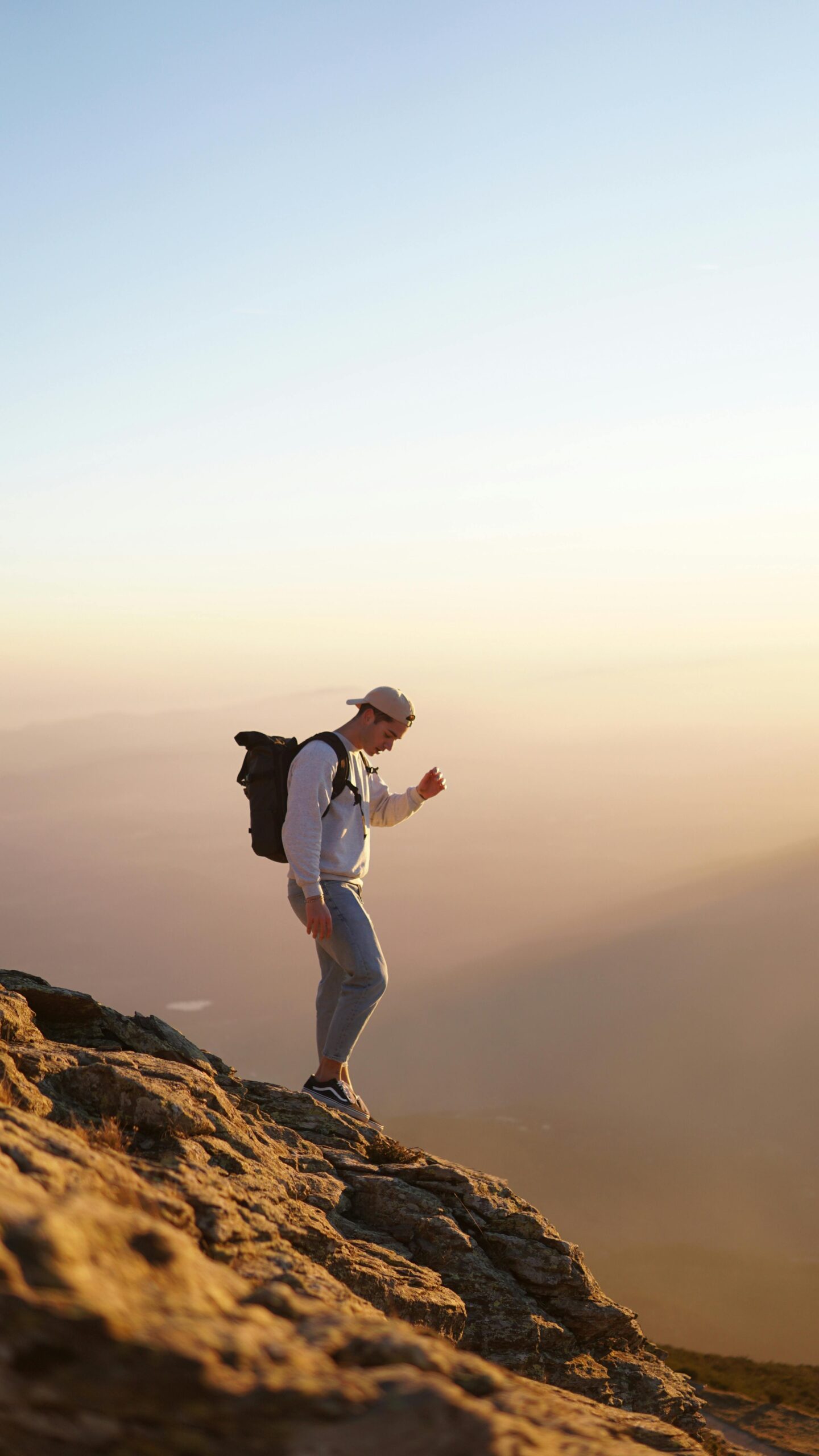
Traveling Solo Travel Tips can be one of the most rewarding experiences of your life. Whether you’re wandering through the narrow streets of Rome, hiking in the Himalayas, or simply exploring a nearby city, solo travel opens up new opportunities for freedom, self-discovery, and adventure.
But while the idea of solo travel sounds exciting, many first-time travelers feel nervous about safety, loneliness, or how to plan effectively. The good news? With the right mindset and preparation, solo travel can be an empowering and life-changing journey.
In this guide, we’ll dive deep into practical solo travel tips, covering everything from safety and budgeting to mindset and meeting people along the way.
Why Choose Solo Travel?
Before jumping into the tips, let’s understand why more and more people are choosing to travel solo.
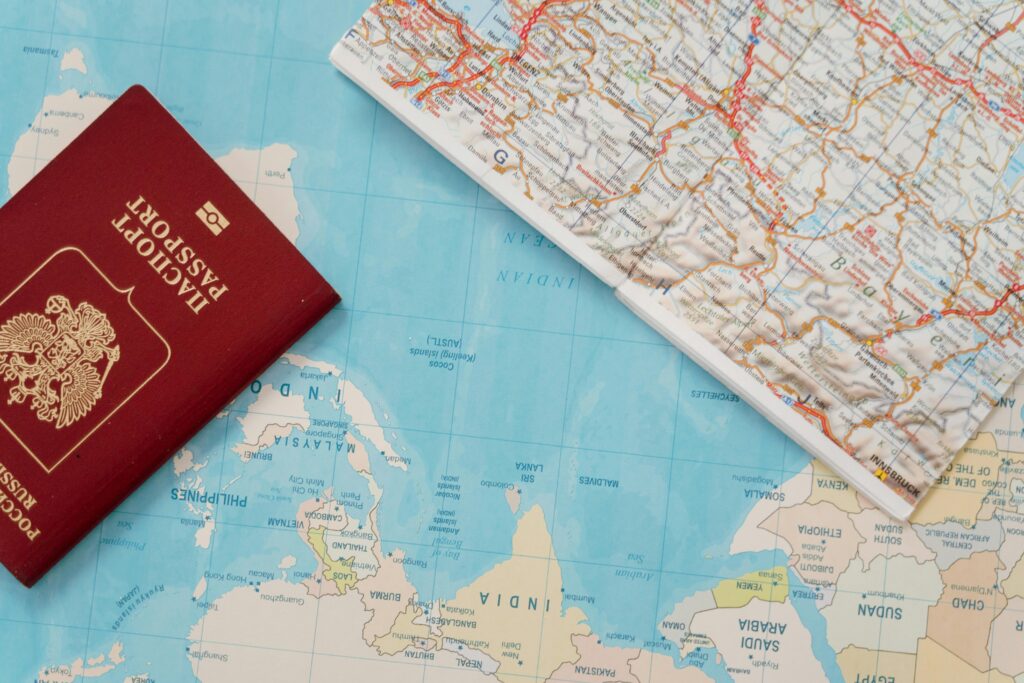
- Freedom & Independence – You’re in charge of your schedule. No compromises. No waiting for friends or family.
- Self-Discovery – Traveling alone teaches resilience, problem-solving, and independence.
- New Connections – Ironically, solo travelers often meet more people than those traveling in groups. Locals and fellow travelers are more likely to approach you.
- Confidence Boost – Handling challenges on your own builds self-confidence like nothing else.
- Personal Growth – You’ll return home with stories, experiences, and a renewed perspective on life.
1. Plan, But Don’t Over-Plan
When traveling alone, planning ahead is important—but don’t trap yourself in a rigid schedule.
- Book the essentials: Accommodation for the first 1–2 nights, transportation from the airport, and any must-see activities.
- Leave room for spontaneity: Some of the best solo travel experiences happen unplanned—like stumbling upon a street festival or meeting a new friend.
- Use apps & websites: Tools like Google Maps, Rome2Rio, and TripAdvisor help plan transport, activities, and meals.
Pro Tip: Always share your itinerary with a trusted family member or friend back home.
2. Choose the Right Destination
Not every destination is ideal for solo travel, especially for beginners.
Best destinations for first-time solo travelers:
- Thailand (friendly locals, budget-friendly)
- Japan (extremely safe, efficient transport)
- Portugal (small, easy to navigate, rich culture)
- New Zealand (adventure capital, welcoming community)
- Spain (vibrant culture, excellent public transport)
Avoid destinations that are politically unstable, have safety concerns, or are extremely remote if it’s your first trip.
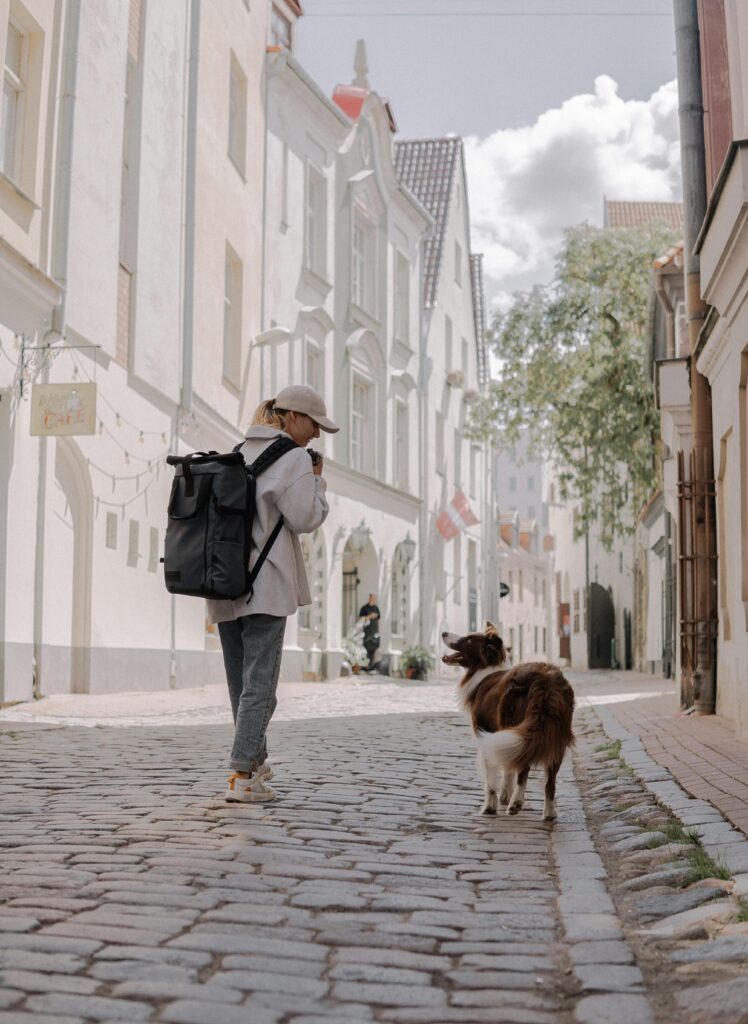
3. Pack Smart & Light
Overpacking is one of the biggest mistakes solo travelers make. Remember—you’ll carry everything yourself.
- Essentials: Passport, copies of important documents, travel insurance papers.
- Clothing: Pack versatile, mix-and-match outfits. Neutral colors are best.
- Gadgets: Power bank, universal adapter, lightweight camera or smartphone.
- Safety items: Small lock, money belt, whistle, first-aid kit.
Pro Tip: Roll your clothes instead of folding they take less space and wrinkle less.
4. Prioritize Safety
Safety is the #1 concern for solo travelers but it shouldn’t hold you back.
- Trust your instincts: If something feels off, walk away.
- Stay connected: Buy a local SIM card or carry an eSIM for internet access.
- Avoid risky areas at night: Especially in unfamiliar cities.
- Protect your valuables: Use anti-theft bags and keep money/cards in different places.
- Blend in: Dress like the locals to avoid unwanted attention.
For solo female travelers, additional caution is wise:
- Research cultural dress codes.
- Avoid sharing accommodation details with strangers.
- Prefer registered taxis or rideshare apps over random cabs.
5. Budget Wisely
Solo travel can be affordable but without careful budgeting, costs can add up.
- Accommodation: Consider hostels, guesthouses, or Airbnb. Some even offer female-only dorms.
- Food: Eat local street food or visit grocery stores. Not only is it cheaper, but it’s also authentic.
- Transport: Use buses, trains, or shared rides instead of taxis.
- Free Activities: City walking tours, museums with free entry days, hiking trails.
6. Stay Connected & Social
One of the biggest myths about solo travel is that it’s lonely. In reality, you’ll meet more people when you’re on your own.

- Stay in hostels: Great way to meet fellow travelers. Many hostels host social nights.
- Join tours or workshops: Cooking classes, city tours, or adventure activities connect you with others.
- Use apps: Meetup, Couchsurfing, and even Bumble BFF help connect with locals.
- Talk to locals: Simple gestures like asking for directions can spark great conversations.
7. Embrace Being Alone
While meeting people is fun, learning to enjoy solitude is one of the best parts of solo travel.
- Journal your experiences.
- Try meditation or simply sit at a café and people-watch.
- Enjoy solo activities: hiking, photography, museum visits.
Pro Tip: Solo dining might feel awkward at first, but it’s empowering. Bring a book or enjoy the moment.
8. Be Flexible
Travel doesn’t always go according to plan. Flights get delayed, buses get canceled, and sometimes weather ruins your day.
When traveling solo:
- Stay calm and adapt. Problems are part of the adventure.
- Have backup options. Always know at least one alternative activity or route.
- Embrace spontaneity. Some of the best travel memories happen when plans fail.
9. Capture Your Memories
Traveling alone means you won’t always have someone to take your photo.
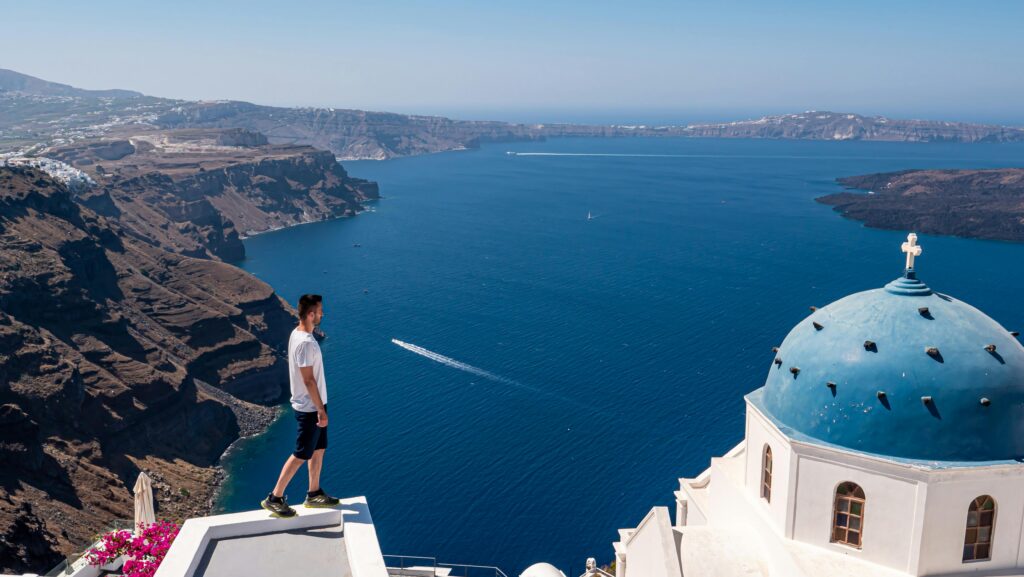
- Self-timer or tripod: Great for capturing solo shots.
- Ask strangers politely: Most people are happy to take your picture.
- Keep a travel journal: Write about your feelings and experiences daily.
10. Trust Yourself
At the end of the day, solo travel is about trusting yourself.
- You’ll get lost but you’ll find your way.
- You’ll feel nervous but you’ll grow stronger.
- You’ll face challenges but you’ll overcome them.
Every solo trip you take builds resilience, confidence, and a sense of independence that stays with you long after the journey ends.
Conclusion
Solo travel is more than just a vacation it’s a journey into self-discovery, freedom, and adventure. While it may feel intimidating at first, with the right mindset and preparation, it becomes one of the most enriching experiences you’ll ever have.
Remember these golden solo travel tips:
- Plan smart, but stay flexible.
- Prioritize safety and trust your instincts.
- Budget wisely and travel light.
- Meet people, but also embrace solitude.
- Trust yourself you’re capable of more than you think.
Frequently Asked Questions (FAQ)
1. Is solo travel safe?
Yes, solo travel can be safe if you take precautions. Research your destination, avoid unsafe areas at night, keep your belongings secure, and trust your instincts. Safety largely depends on awareness and preparation.
2. What are the best destinations for solo travelers?
Some of the most recommended solo travel destinations include:
- Japan : safe, organized, and culturally rich.
- Thailand : friendly locals and affordable travel.
- Portugal : small, easy to explore, and welcoming.
- New Zealand : perfect for adventure travelers.
- Spain : great culture, transport, and vibrant cities.
3. How do I avoid loneliness while traveling solo?
Stay in hostels, join group tours, attend local events, or use apps like Meetup and Couchsurfing to connect with other travelers. At the same time, embrace solitude as a chance to reflect and recharge.
4. How can I save money as a solo traveler?
- Stay in hostels, guesthouses, or budget Airbnbs.
- Eat street food and shop at local markets.
- Use public transport instead of taxis.
- Look for free walking tours and local events.
- Book flights and accommodations in advance.
5. Is solo travel suitable for women?
Absolutely. Many women travel solo worldwide. It’s important to take extra safety steps—such as dressing modestly in conservative countries, avoiding sharing personal details with strangers, and choosing safe accommodations.
6. What should I pack for solo travel?
Pack light and smart. Essentials include:
- Passport and copies of important documents.
- First aid kit and medications.
- Universal adapter and power bank.
- Comfortable walking shoes.
- A money belt or anti-theft bag.
7. How do I take photos when traveling alone?
Use a tripod with a self-timer, ask friendly strangers for help, or take creative selfies. Journaling and video diaries are also excellent ways to capture memories.
8. Do I need travel insurance for solo travel?
Yes. Travel insurance is highly recommended for medical emergencies, lost baggage, or unexpected cancellations. It gives peace of mind, especially when traveling alone.
9. How do I handle emergencies while traveling solo?
- Save local emergency numbers in your phone.
- Know the location of the nearest embassy or consulate.
- Keep a small amount of emergency cash hidden.
- Stay calm and contact local authorities or trusted contacts back home if needed.
10. What’s the biggest benefit of solo travel?
The biggest benefit is personal growth. Solo travel helps you gain independence, confidence, and resilience while creating unforgettable memories.

Traveling is one of life’s greatest pleasures, but for many people, the planning, packing, and logistics can turn excitement into stress. This is where CWBiancaVoyage steps in. Designed for modern travelers who want smooth, simple, and enjoyable journeys, CWBiancaVoyage focuses on making travel easy from start to finish.
Whether you are a solo explorer, a family traveler, or someone who loves short weekend getaways, CWBiancaVoyage helps you travel smarter, lighter, and happier. This guide explains what CWBiancaVoyage is, how it works, and why it has become a trusted name for stress-free adventures.
What Is CWBiancaVoyage
CWBiancaVoyage is a travel-focused platform and philosophy centered around easy travel planning and relaxed exploration. Instead of overwhelming travelers with complex itineraries, it emphasizes simplicity, comfort, and practical travel solutions.
The goal is not just to visit destinations, but to enjoy the journey itself. It promotes mindful travel, smart planning, and realistic expectations, helping travelers avoid burnout and enjoy every moment.
Why Stress-Free Travel Matters
Travel stress can come from many sources such as tight schedules, overpacking, unclear plans, or unexpected expenses. When stress takes over, the joy of travel disappears.
Stress-free travel matters because it
- Improves mental well-being
- Allows deeper cultural experiences
- Saves time and money
- Makes trips more memorable
- Helps travelers stay flexible and calm
It understands that a relaxed traveler enjoys more and worries less.
The CWBiancaVoyage Travel Philosophy
CWBiancaVoyage is built on a few simple principles that guide every trip.

Travel Light and Smart
Overpacking is one of the biggest causes of travel stress. CWBiancaVoyage promotes packing essentials only, choosing versatile clothing, and using smart luggage solutions.
Plan Enough but Not Too Much
Instead of planning every minute, it suggests creating a flexible outline. This allows room for rest, exploration, and unexpected discoveries.
Comfort Over Rush
Rushing from one attraction to another leads to exhaustion. It encourages travelers to slow down, enjoy fewer places deeply, and prioritize comfort.
Local Experiences Matter
Rather than only tourist spots, It highlights local food, culture, and hidden gems that create authentic memories.
How CWBiancaVoyage Helps Travelers
It supports travelers at every stage of the journey.
Easy Destination Planning
Choosing a destination becomes simple with curated travel ideas based on comfort, budget, and travel style. Whether you want beaches, cities, or nature, CWBiancaVoyage offers clear guidance.
Simple Itineraries
Instead of complicated schedules, It promotes easy-to-follow itineraries that leave room for rest and spontaneity.
Smart Packing Tips
From capsule wardrobes to travel-size essentials,It helps travelers pack efficiently without stress.
Budget-Friendly Advice
Stress often comes from money worries. It shares practical tips to manage travel costs, avoid hidden fees, and enjoy experiences without overspending.
Who CWBiancaVoyage Is For
It is ideal for a wide range of travelers.
- First-time travelers who feel overwhelmed
- Busy professionals with limited vacation time
- Families who want smooth and organized trips
- Solo travelers seeking confidence and simplicity
- Digital nomads who value comfort and balance
No matter your travel style, CWBiancaVoyage adapts to your needs.
Travel Planning Made Simple
Planning is often the most stressful part of travel. CWBiancaVoyage simplifies this by focusing on essentials.
Choosing the Right Time to Travel
Traveling during off-peak seasons reduces crowds, costs, and stress. CWBiancaVoyage encourages flexible travel dates for a calmer experience.
Booking Accommodation Wisely
Comfortable accommodation can make or break a trip. CWBiancaVoyage suggests choosing locations close to key attractions or transport hubs to save time and energy.
Transportation Without Hassle
Understanding local transport options in advance helps avoid confusion. CWBiancaVoyage emphasizes researching transport basics before arrival.
Stress-Free Travel Tips from CWBiancaVoyage
Here are some practical tips inspired by the CWBiancaVoyage approach.
- Always keep digital copies of important documents
- Arrive at airports early to avoid panic
- Keep daily plans realistic and flexible
- Stay hydrated and rest regularly
- Accept that not everything will go perfectly
Travel becomes enjoyable when you let go of unnecessary pressure.
The Role of Mindset in Easy Travel
CWBiancaVoyage strongly believes that stress-free travel starts with the right mindset.
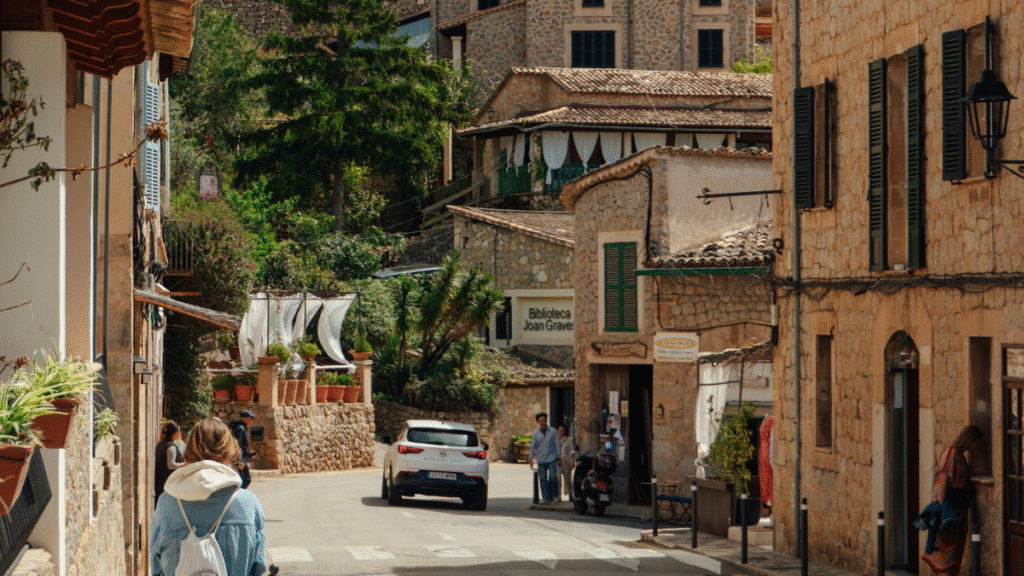
Instead of chasing perfection, travelers are encouraged to embrace imperfections. Missed trains, weather changes, or minor delays become part of the story rather than problems.
A calm mindset allows travelers to adapt, learn, and enjoy the experience fully.
Sustainable and Responsible Travel
CWBiancaVoyage also supports responsible tourism.
- Respecting local cultures and traditions
- Supporting local businesses
- Reducing waste while traveling
- Choosing eco-friendly transport when possible
Stress-free travel is not just about personal comfort but also about leaving a positive impact.
How CWBiancaVoyage Enhances Travel Experiences
Travel should refresh you, not exhaust you. CWBiancaVoyage enhances experiences by focusing on quality over quantity.
Instead of rushing through ten attractions, travelers are encouraged to spend time connecting with places and people. This approach leads to meaningful memories and less fatigue.
The Future of Easy Travel
As travel trends evolve, more people are choosing slower, smarter journeys. CWBiancaVoyage aligns perfectly with this future.
Modern travelers want balance, wellness, and authenticity. CWBiancaVoyage continues to inspire journeys that are enjoyable, manageable, and deeply fulfilling.
Final Thoughts
CWBiancaVoyage is more than a travel guide. It is a reminder that travel should feel exciting, not exhausting. By focusing on simplicity, comfort, and mindful planning, CWBiancaVoyage helps travelers rediscover the joy of exploring the world.
If you want travel experiences that leave you refreshed rather than stressed, CWBiancaVoyage is the perfect guide for your next adventure.
FAQ Section
What is CWBiancaVoyage?
CWBiancaVoyage is a travel-focused concept that helps travelers plan easy, comfortable, and stress-free trips through smart planning and mindful travel tips
Is CWBiancaVoyage suitable for first-time travelers?
Yes CWBiancaVoyage is especially helpful for first-time travelers who feel overwhelmed by planning and logistics
Does CWBiancaVoyage focus on luxury travel?
No CWBiancaVoyage focuses on comfort and simplicity rather than luxury making it suitable for all budgets
Can CWBiancaVoyage help with solo travel?
Yes CWBiancaVoyage provides practical advice and confidence-building tips for solo travelers
How does CWBiancaVoyage reduce travel stress?
CWBiancaVoyage reduces stress by promoting light packing flexible itineraries smart budgeting and a calm travel mindset
Is CWBiancaVoyage useful for family travel?
Yes families benefit from CWBiancaVoyage’s organized planning and comfort-focused approach
Introduction
Travel has evolved far beyond simply visiting famous landmarks or relaxing on beautiful beaches. Today’s travelers crave deeper, more meaningful experiences journeys that offer both excitement and cultural discovery. This is where cultural adventure tours come in. These hybrid travel experiences combine heart-pounding adrenaline activities with authentic cultural immersion, giving travelers a perfect balance of thrill and learning.
In this blog, we will explore the growing popularity of these tours, the best destinations that offer them, and how they create unforgettable lifetime memories.
The Rise of Hybrid Adventure Tourism
Adventure tourism has seen a massive rise in recent years, but what’s even more interesting is the shift toward experiential adventure travel. Travelers now want more than excitement they want connection.
Instead of rushing from one attraction to another, they prefer engaging with local communities, learning traditions, and understanding the true essence of a place. Hybrid adventure tours provide:
- Authenticity — Real interactions with local people.
- Meaningful travel — Stories and experiences that stay with you forever.
- Balance — Equal parts excitement and cultural understanding.
This trend has been driven by millennial and Gen Z travelers, who value personal transformation and deep learning just as much as thrilling experiences.
Why Combine Culture with Adrenaline?
The combination of cultural immersion and adventure results in a more well-rounded travel experience. Here’s why travelers love cultural adventure tours:
1. Emotional and mental enrichment
Adrenaline activities make your heart race, but cultural experiences make your soul feel fuller. Together, they provide a journey that is both exciting and reflective.
2. Meeting local people
Interacting with local communities provides insight that no guidebook can offer.
3. Learning traditions and customs
From cooking classes to festivals, tourists get a deeper understanding of a destination’s heritage.
4. More memorable experiences
People remember moments sharing meals with locals, hearing ancient stories, exploring landscapes, and participating in traditional rituals.
5. Perfect for different types of travelers
Whether you’re a solo traveler, a couple looking for bonding experiences, or a group seeking adventure, cultural adventure tours fit all styles.
Top Adventure Tours That Blend Culture and Thrill
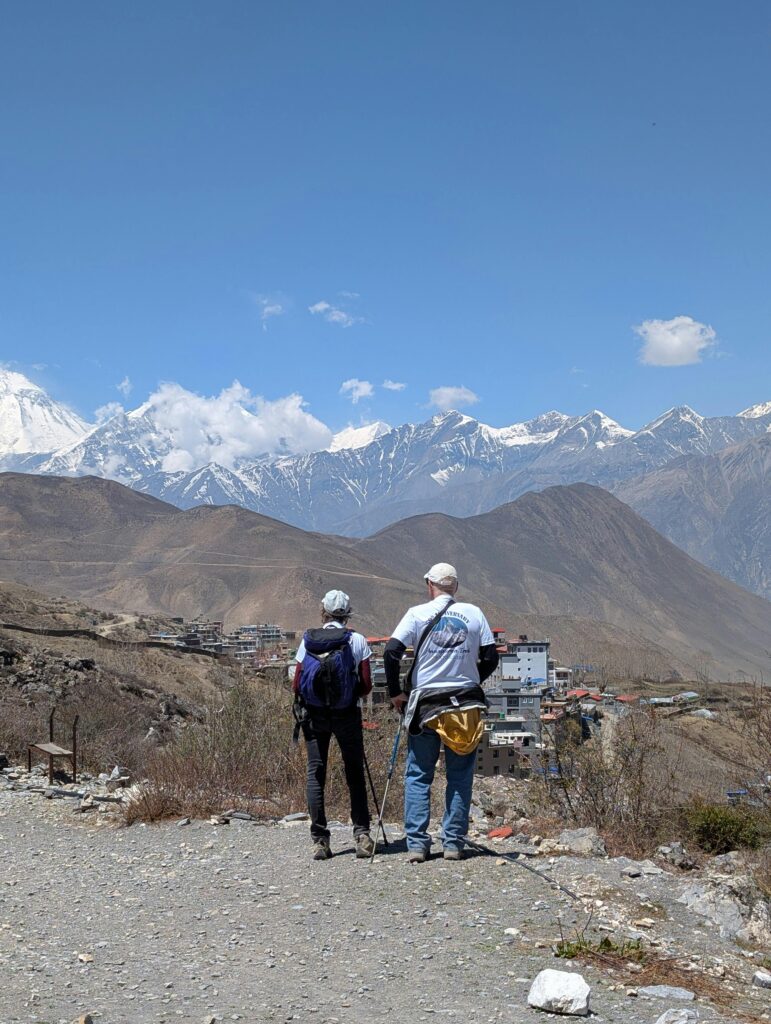
1. Hiking + Sherpa Homestays in Nepal
Nepal’s Himalayan landscapes are breathtaking, but what truly makes the experience special is the warmth of the Sherpa community.
Adrenaline Activities
- Trekking to Everest Base Camp or Annapurna Circuit
- Mountain climbing
- Suspension bridge crossings
Cultural Experiences
- Staying in Sherpa homes
- Learning traditional cooking
- Hearing mountain legends and village stories
- Visiting ancient monasteries
This tour offers stunning scenery and deep cultural respect.
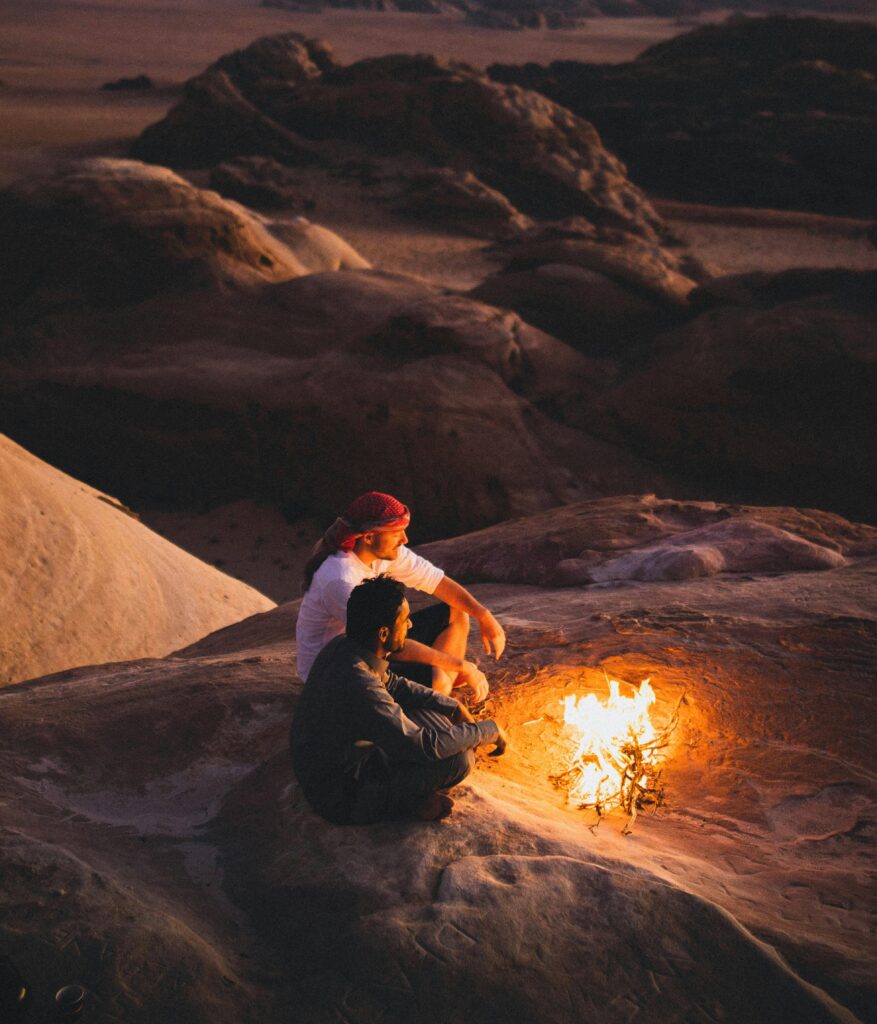
2. Desert Safaris + Bedouin Culture in Jordan
Jordan’s Wadi Rum desert is known for its dramatic landscapes and rich nomadic culture.
Adrenaline Activities
- Off-road dune bashing in 4×4 jeeps
- Camel riding
- Sandboarding
- Hot air balloon rides
Cultural Immersion
- Traditional Bedouin nights under the stars
- Learning about Bedouin history
- Enjoying zarb (underground cooked meals)
- Listening to traditional music
This combination offers a spiritual and thrilling desert experience.
3. Ziplining + Indigenous Community Visits in Costa Rica
Costa Rica is a paradise for nature lovers and thrill seekers.
Adrenaline Activities
- Rainforest ziplining
- Canopy bridges
- White-water rafting
- Jungle trails
Cultural Experiences
- Visiting indigenous communities like the Maleku or Bribri
- Learning sustainable farming
- Understanding traditional natural medicine
- Participating in craft workshops
Costa Rica’s eco-friendly mindset also makes it a top choice for sustainable travel.
4. Surfing + Cultural Workshops in Indonesia
Indonesia offers more than beautiful waves its spiritual and artistic culture creates a perfect blend.
Adrenaline Activities
- Surfing in Bali and Lombok
- Snorkeling and diving
- Cliff jumping
Cultural Highlights
- Balinese dance workshops
- Traditional food and cooking classes
- Temple visits and rituals
- Art and craft lessons
This tour is especially popular among young travelers seeking relaxation, adventure, and spiritual learning.
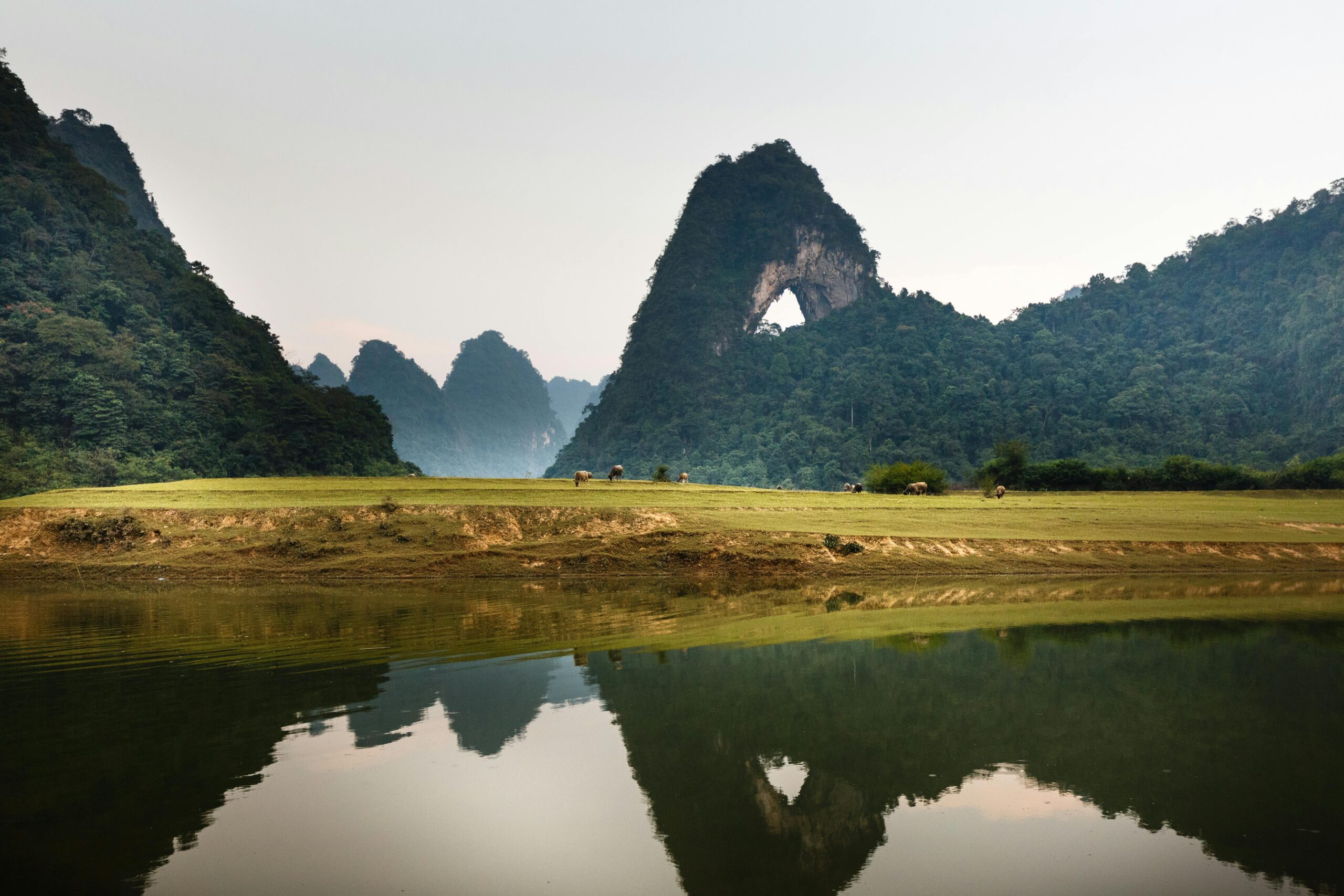
5. Cycling + Local Life Experiences in Vietnam
Vietnam is a vibrant blend of ancient traditions and natural beauty.
Thrill Activities
- Cycling through rice fields
- Mountain biking in Sapa
- Kayaking in Halong Bay
Cultural Activities
- Eating meals with local families
- Participating in cooking classes
- Visiting traditional markets
- Learning about farming and handicrafts
This tour provides slow travel vibes with thrilling landscapes.
Key Cultural Immersion Elements to Look For
When choosing a cultural adventure tour, make sure it includes:
1. Local Meals and Home Visits
Sharing food is the best way to understand a culture.
2. Cultural Workshops
Handicrafts, pottery, dance, or cooking classes enrich the experience.
3. Festivals and Traditional Events
Attending festivals gives insight into community values and celebrations.
4. Locals as Guides
Tours led by community members provide authentic knowledge.
5. Stories and Legends
Many cultures have deep historical stories, myths, and folklore that bring destinations to life.
Adrenaline Activities That Pair Well with Culture
Some activities naturally complement cultural immersion. These include:
- Trekking and hiking
- Rafting and kayaking
- Paragliding
- Bungee jumping
- Mountain biking
- Safari jeep tours
- Ziplining
- Surfing and snorkeling
- Wildlife safaris
- Rock climbing
Combining thrill with local traditions makes every destination feel more alive.
Tips for Choosing the Best Cultural Adventure Tour
1. Choose Ethical Tourism
Pick companies that support local communities and respect traditions.
2. Check Safety Standards
Ensure the tour includes:
- Professional guides
- Certified equipment
- Clear instructions
3. Understand Cultural Norms
Know the basic traditions and dress codes to show respect.
4. Support Local Economies
Choose tours that:
- Hire local guides
- Use locally-owned accommodations
- Include community-based activities
5. Check Difficulty Levels
Choose activities that match your fitness and comfort.
6. Look for Small Group Tours
They provide deeper, more personal experiences.
Safety and Sustainability Matters
Travelers play a big role in preserving the cultural and natural environment.
Safety Tips
- Follow guide instructions
- Use proper gear
- Prepare physically for demanding activities
Sustainability Tips
- Avoid littering in nature
- Respect wildlife
- Don’t disrupt cultural practices
- Support eco-friendly accommodations
- Reduce water and plastic use
Choosing sustainable tours ensures these rich experiences remain for future generations.
Who Are These Tours Ideal For?
1. Adventure Lovers
Perfect for those who want a mix of thrill and learning.
2. Culture Seekers
Great for travelers who want deeper insight into traditions and lifestyles.
3. Solo Travelers
Cultural immersion helps solo travelers make meaningful connections.
4. Couples
Shared adrenaline moments create strong bonding.
5. Families
Cultural experiences and activities make educational and fun trips for children.
6. Groups
Friends and travel groups can enjoy a mix of fun, learning, and adventure.
Conclusion
Adventure tours that combine cultural experiences and adrenaline activities offer something truly special. They provide the excitement of thrilling adventures while allowing travelers to connect with local communities and understand cultures deeply. This blend of excitement and authenticity creates a travel experience that is unforgettable and transformative.
If you’re ready for a journey that challenges your body, expands your mind, and enriches your soul, then a cultural adventure tour is perfect for your next trip.
Introduction
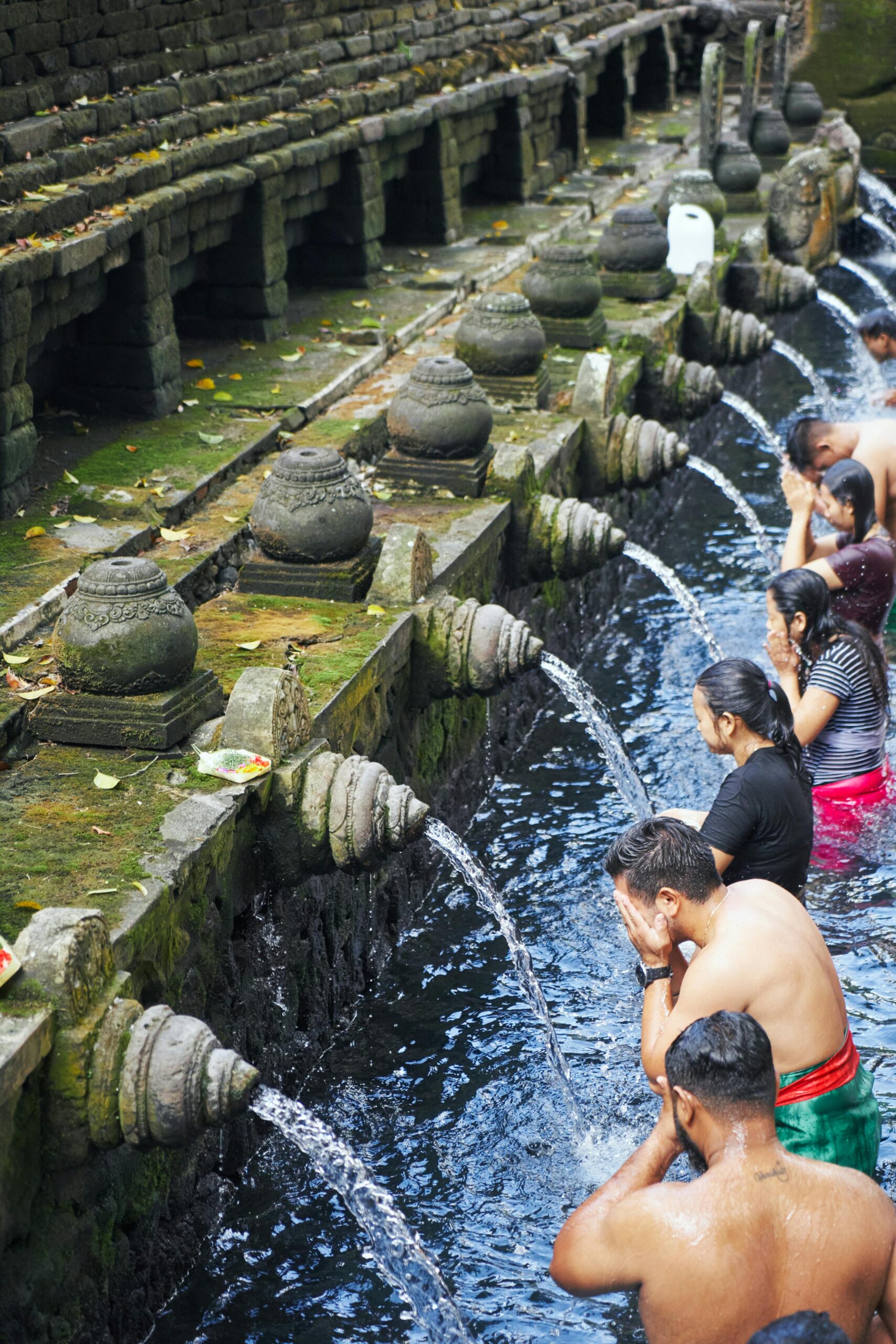
Bali, also known as the “Island of the Gods,” is located in Indonesia. It is famous for its stunning scenery, cultural traditions, friendly locals, and affordable travel experiences. From green rice terraces to volcanic mountains, and from luxury villas to spiritual centers, Bali Travel Guide offers a mix of adventure and relaxation.
Best Time to Visit
Bali has a tropical climate and two main seasons: the dry season and the wet season. Choosing the right time to visit can make your trip more enjoyable.
Dry Season (April to October)
The dry season is the most popular time to visit Bali. During these months, the weather is sunny and pleasant. It is perfect for beaches, hiking, photography, and outdoor activities. The peak months are June, July, and August. Since more tourists visit during this time, prices are slightly higher.
Wet Season (November to March)
The wet season brings rain, humidity, and fewer tourists. However, it is still a good time to visit if you want a quiet and budget-friendly trip. Many travelers enjoy the wet season because Bali looks greener and more peaceful.
How Many Days to Spend in Bali?
The number of days you need in Bali depends on your travel goals. Here is a simple Bali Travel Guide:
- 3–4 days: Explore beaches and enjoy cafés
- 7 days: Visit both Ubud and South Bali
- 10–14 days: Discover hidden gems, waterfalls, and nearby islands
If you are visiting for the first time, a 7-day trip is ideal.
Top Places to Visit in Bali
In Bali Travel Guide Bali is full of beautiful locations. Each area offers something different. Below are the top places you should not miss.
1. Ubud – Cultural and Spiritual Center
Ubud is located in the heart of Bali. It is known for nature, art, and spirituality. The atmosphere is calm and peaceful.
Things to Do in Ubud
- Tegallalang Rice Terraces: Famous green rice fields with beautiful views.
- Ubud Monkey Forest: Home to hundreds of playful monkeys.
- Campuhan Ridge Walk: A scenic walking trail.
- Tirta Empul Temple: A holy water temple where cleansing rituals take place.
- Tegenungan Waterfall: A refreshing spot for a quick swim.
- Ubud Art Market: Great for shopping handmade items.
Ubud is also popular for yoga retreats, meditation centers, and healthy cafés.
2. Seminyak – Trendy and Modern
Seminyak is perfect for travelers who want luxury and style. It has boutique shops, fine dining restaurants, and famous beach clubs.
Top Attractions in Seminyak
- Seminyak Beach
- Potato Head Beach Club
- KU DE TA
- Art galleries and designer stores
- Surfing lessons
Seminyak is ideal for couples and groups who enjoy a modern lifestyle.
3. Uluwatu – Cliffs and Surfing
Uluwatu is known for its dramatic cliffs, blue waters, and world-class surfing waves. It is one of the most scenic areas in Bali.
Things to Do in Uluwatu
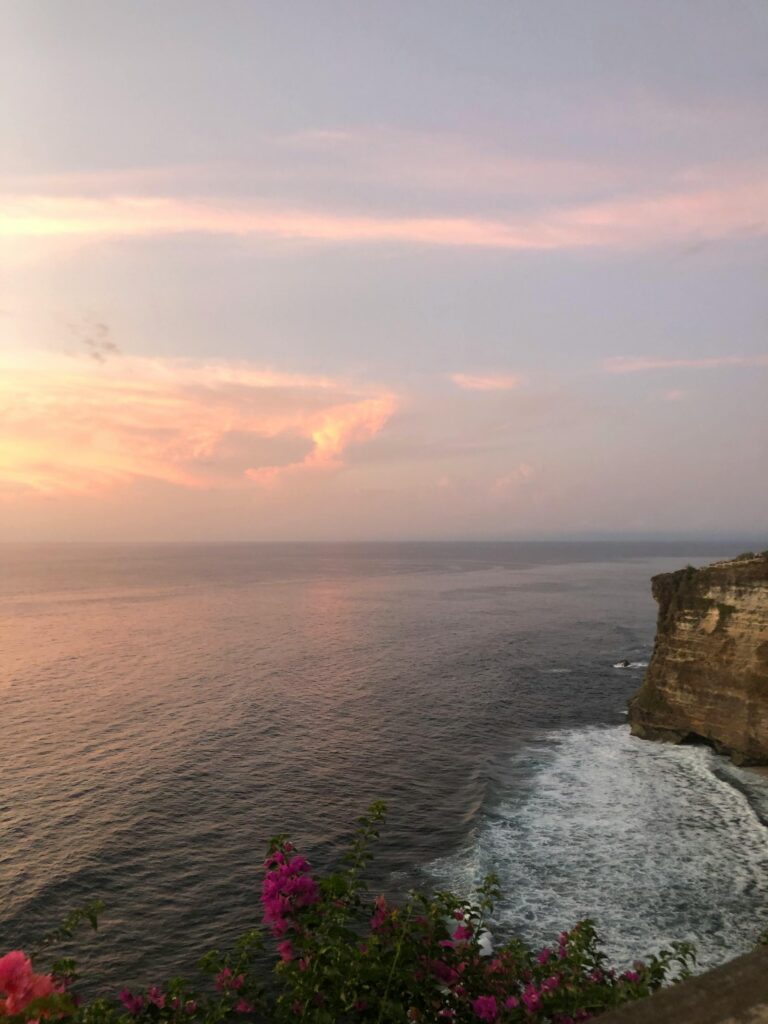
- Uluwatu Temple: A cliffside temple famous for sunset views and the Kecak Fire Dance.
- Padang Padang Beach: Great for surfing.
- Bingin Beach: Peaceful and perfect for sunbathing.
- Suluban Beach: Known for caves and scenic rock formations.
Uluwatu offers unforgettable sunset views that attract travelers from around the world.
4. Canggu – Relaxed and Hip
Canggu is the home of digital nomads, surfers, and young travelers. It has a relaxed vibe and a growing café culture.
What to Do in Canggu
- Surf at Echo Beach
- Explore trendy cafés
- Shop at local markets
- Visit Tanah Lot Temple nearby
- Attend beach parties
Canggu is perfect for long stays because of its comfort and work-friendly atmosphere.
5. Nusa Penida – Iconic Island Views
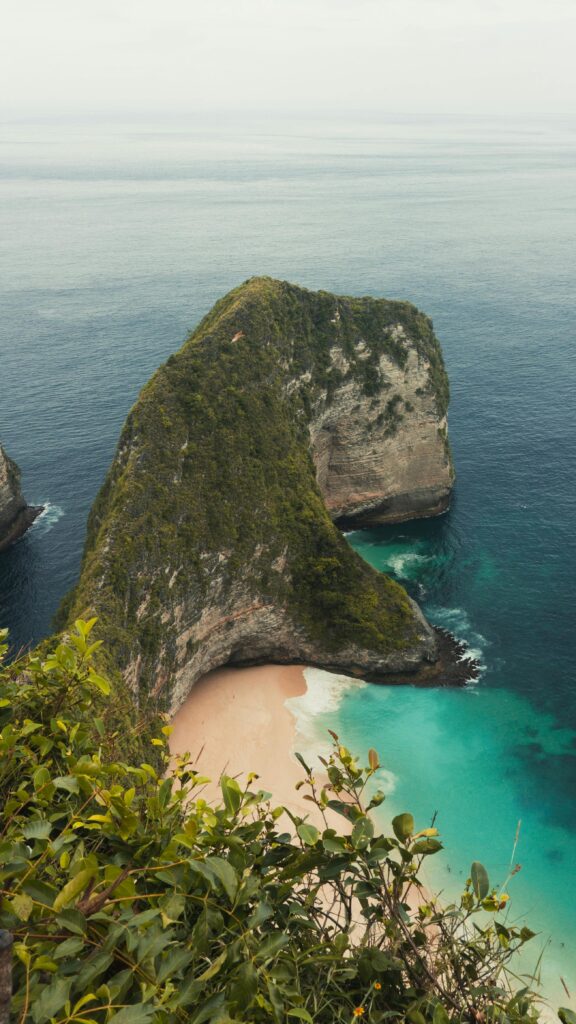
Nusa Penida is a small island located southeast of Bali. It is famous for stunning landscapes and clear waters.
Popular Attractions on Nusa Penida
- Kelingking Beach: The famous T-Rex shaped cliff.
- Broken Beach: A natural arched cliff opening into the sea.
- Angel’s Billabong: A natural rock pool.
- Crystal Bay: Good for snorkeling.
- Diamond Beach: White sand and turquoise waters.
A day trip is possible, but staying overnight lets you explore more comfortably.
6. Sanur – Calm and Family-Friendly
Sanur is one of Bali’s quieter regions. It has calm waters, long beaches, and peaceful resorts.
Why Visit Sanur?
- Safe swimming areas
- Beautiful sunrise views
- Cycling paths along the beach
- Family-friendly cafés and hotels
Sanur is perfect for families and older travelers who want a peaceful holiday.
7. Mount Batur – Sunrise Volcano Trek
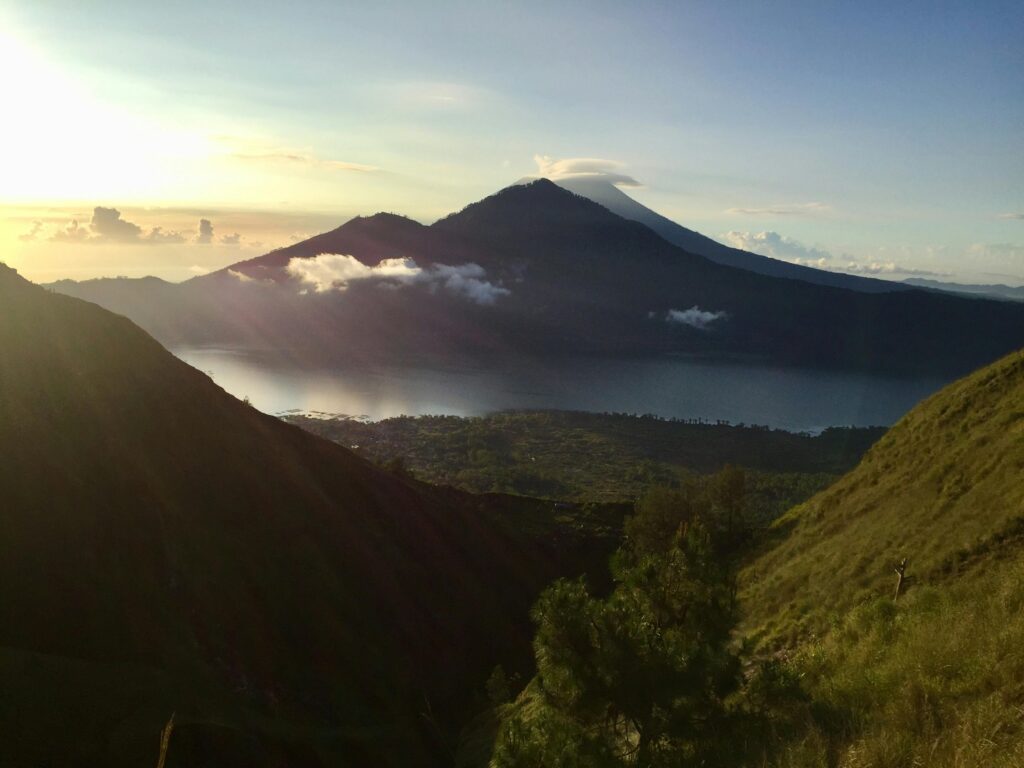
Mount Batur is one of Bali’s most exciting adventures. It is an active volcano that offers a breathtaking sunrise view.
The Experience
The trek starts early, usually around 3 AM. After reaching the top, you can watch the sun rise above the clouds. Breakfast cooked in volcanic steam adds a unique touch to the experience. After the trek, many tours include a visit to natural hot springs.
Where to Stay in Bali
Bali offers a wide variety of accommodations. Here are your options based on budget.
Budget Stays ($10–25 per night)
- Hostels
- Guesthouses
- Capsule hotels
Mid-Range Stays ($30–80 per night)
- Boutique hotels
- Cozy resorts
- Comfortable private rooms
Luxury Stays ($100–300+ per night)
- Private villas with pools
- Beachfront resorts
- Wellness retreats
Bali’s luxury villas are affordable compared to other countries, making them a popular choice.
Best Foods to Try in Bali Travel Guide
Bali’s food is flavorful and fresh. Below are some popular dishes.
Must-Try Local Foods
- Nasi Goreng: Indonesian fried rice
- Mie Goreng: Fried noodles
- Babi Guling: Traditional roast pork
- Nasi Campur: Mixed rice with various toppings
- Satay: Grilled meat skewers
- Ayam Betutu: Spiced chicken cooked for hours
Do not forget to enjoy fresh seafood at Jimbaran Bay and tropical fruits like mango and dragon fruit.
Transportation in Bali
Transportation in Bali is simple but requires planning. Public transport is limited, so most travelers use other options.
Motorbike Rental
Motorbikes are the easiest way to get around. They cost around $5–7 per day. Always wear a helmet.
Taxi, Grab, and Gojek
These services are affordable and safe for short distances.
Private Car with Driver
A driver costs $35–50 for a full day. It is comfortable and ideal for sightseeing.
Ferries and Boats
Used for island trips to Nusa Penida, Gili Islands, and Lombok.
7-Day Bali Itinerary (Yoast-Optimized)
Below is a clear, simple itinerary for a first-time visitor.
Day 1: Arrival + Seminyak
Relax at Seminyak Beach, explore cafés, and enjoy your first Bali sunset.
Day 2: Uluwatu
Visit Uluwatu Temple, relax at beaches, and watch the Kecak Fire Dance.
Day 3: Nusa Penida
Take a day trip and explore Kelingking Beach, Angel’s Billabong, and Broken Beach.
Day 4: Ubud
Visit rice terraces, Monkey Forest, and local markets.
Day 5: Mount Batur
Enjoy an unforgettable sunrise hike.
Day 6: Canggu
Relax, surf, café-hop, and explore boutiques.
Day 7: Shopping + Spa
Visit Ubud Market or Seminyak Mall and end your trip with a spa session.
Bali Travel Guide best Shopping in Bali
Bali is a great place for shopping, especially for handmade and unique items.
Best Things to Buy
- Jewelry
- Batik clothing
- Wooden carvings
- Rattan bags
- Essential oils
- Local coffee and chocolates
Popular Shopping Areas
- Ubud Art Market
- Seminyak Village
- Beachside markets
- Krisna Oleh-Oleh (affordable souvenirs)
Bargaining is common in local markets, so negotiate politely.
Practical Travel Tips in Bali Travel Guide for Bali
1. Local Currency
The currency is Indonesian Rupiah (IDR). ATMs are widely available.
2. Power Plugs
Bali uses European-style plugs with two round pins.
3. Dress Code
Temples require modest clothing. A sarong is needed to enter most temples.
4. Safety Tips
- Avoid drinking tap water
- Beware of strong ocean currents
- Keep valuables safe
- Drive carefully if renting a motorbike
5. Cultural Respect
Bali is spiritually rich. Always respect local customs and temple rules.
Bali Travel Guide for Different Types of Travelers
For Couples
Bali offers romantic villas, sunset dinners, and beautiful beaches.
For Families
Sanur and Nusa Dua provide calm beaches and child-friendly resorts.
For Solo Travelers
Canggu and Ubud are ideal for meeting other travelers.
Bali Travel Guide For Adventure Lovers
Try volcano trekking, surfing, snorkeling, and cliff jumping.
Cost of Traveling in Bali Travel Guide
Budget Travelers ($25–40/day)
Hostels, street food, and motorbike rentals are enough for a comfortable trip.
Mid-Range Travelers ($50–120/day)
Boutique hotels and private drivers provide a balanced experience.
Luxury Travelers ($200–500/day)
High-end resorts, private villas, and exclusive tours offer unmatched comfort.
Conclusion
Bali is a destination that offers beauty, culture, adventure, and relaxation all in one place. Whether you are walking through the peaceful rice terraces of Ubud, enjoying the nightlife in Seminyak, or watching a sunset from Uluwatu’s cliffs, Bali gives you memories that last a lifetime. Its affordability, natural charm, and warm hospitality make it a favorite destination for travelers from around the world.
With this Yoast-friendly Bali Travel Guide, you now have all the details you need to plan the perfect trip. Bali is ready to welcome you with open arms.


How to Remove a Virus from Android (Complete Guide 2026)

Spring/Summer 2026 Fashion Trends You Can Shop Now

How to Detect and Remove Spyware From an Android Phone 2026


-

 Blog8 months ago
Why ’90s Fashion Still Dominates Today’s Style Scene
-

 How-to Guides7 months ago
How to Screenshot on Mac: The Complete 2026 Guide
-

 How-to Guides8 months ago
How to Restore Pantone Colors in New Illustrator Versions (2026 Guide)
-

 Blog7 months ago
Reddit Politics in 2026: How Online Political Discourse Shapes Opinions
-

 Blog8 months ago
Top Fashion Trends to Follow in August 2025