
Finance
MSN Money: The Complete Guide to Finance, Investing, and Market Insights


Introduction
Introduction
In today’s fast-changing world of finance, having a reliable source for financial updates is essential. Whether you are an investor, a professional, or someone simply trying to manage personal finances, access to accurate information can shape your money decisions. One of the most trusted platforms for this purpose is MSN Money financial news and market insights.
MSN Money offers real-time stock data, market updates, personal finance guidance, and global economic news all in one place. It’s designed to help beginners understand money management while giving experienced investors the tools to track stocks, commodities, and currencies. This blog will walk you through everything about MSN Money its history, features, benefits, comparisons with competitors, and tips to make the most of it.
What is MSN Money?
it is part of Microsoft’s online ecosystem, originally launched in the mid-1990s. Over the years, it has developed into a comprehensive hub for financial news, personal finance tools, and investment resources.
From stock market updates to personal finance tips, MSN Money ensures users can access accurate data without the complexity of expensive financial terminals. Today, it is considered one of the leading free platforms for it financial news and market insights.
Key Features
1. Real-Time Stock Market Data
It offers live updates on major indices such as:
- Dow Jones Industrial Average (DJIA)
- NASDAQ Composite
- S&P 500
- International indices like FTSE 100, Nikkei 225, and DAX
Users can follow price changes, historical performance, and market trends, making it easy to keep track of global financial markets.
2. Breaking Financial News
One of the highlights of MSN Money is its extensive coverage of financial news and market insights. Partnering with outlets like Reuters, Bloomberg, and MarketWatch, the platform delivers:
- Breaking stock market news
- Global economic updates
- Business sector analysis
- Expert opinions on investment strategies
3. Personal Finance Guidance
Not everyone visiting it is an investor. Many use it to gain control over their personal finances. Topics covered include:
- Budgeting strategies
- Debt management
- Credit card comparisons
- Mortgage and loan advice
- Retirement planning
This makes MSN Money a great resource for everyday users.
4. Investment Tools & Portfolio Tracker
MSN Money provides tools for investors to:
- Create personalized stock watchlists
- Track multiple portfolios in real time
- Use screeners to analyze companies by sector or performance
- Review company financial statements
These tools transform the site into more than just a news hub it’s also an investment tracking platform.
5. Currency & Commodity Market Data
Global traders can benefit:
- Currency exchange rates (USD, GBP, JPY, PKR, EUR, etc.)
- Commodity prices (oil, gold, silver, copper, natural gas)
This helps both businesses and investors manage decisions tied to global trade.
6. Mobile App
The MSN Money app (available on iOS and Android) ensures financial updates are just a tap away. Users can:
- Read daily market news
- Track portfolios in real-time
- Get alerts for stock movements
- Save articles for offline reading
Why MSN Money Stands Out
- Trusted Content: Powered by Microsoft and partnered with top financial publishers.
- User-Friendly: A simple interface makes it accessible for beginners.
- Free Access: Unlike Bloomberg Terminal or premium platforms, MSN Money is entirely free.
- Wide Coverage: From personal finance to global markets, everything is available in one place.
This balance of accessibility and reliability is why it financial news and market insights remain popular among millions of users.

MSN Money vs. Competitors
MSN Money vs. Yahoo Finance
- Yahoo Finance offers active community discussions and deeper stock analysis.
- It provides a cleaner interface with broader coverage of global financial news.
MSN Money vs. Google Finance
- Google Finance focuses on basic stock tracking integrated with Google accounts.
- It’s delivers a stronger combination of personal finance advice, global news, and investment tools.
MSN Money vs. Bloomberg
- Bloomberg is the industry leader but requires an expensive subscription.Iits provides much of the same essential news and data free of cost.
How to Use MSN Money Effectively
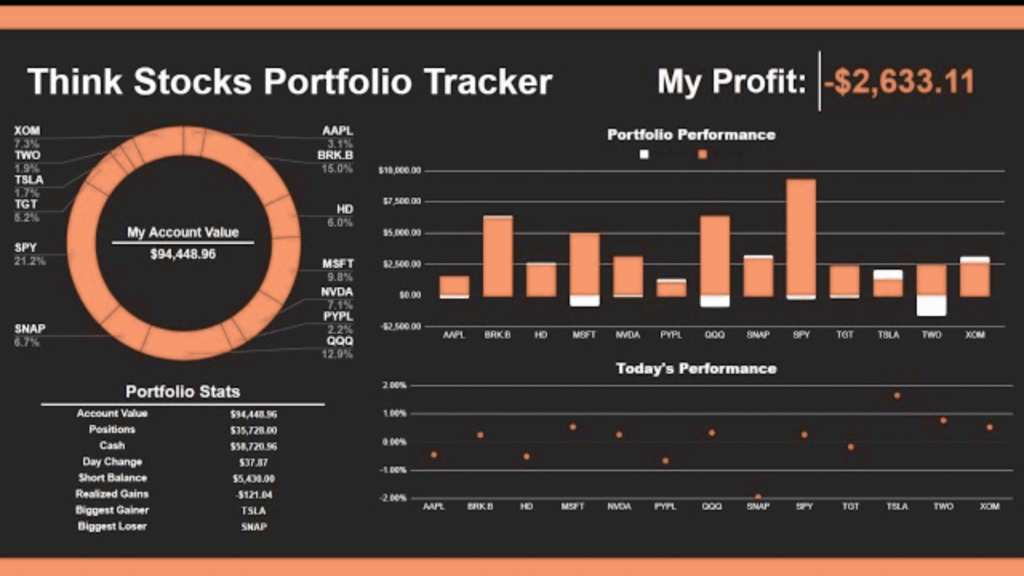
- Set up a Portfolio Tracker : Add stocks, mutual funds, and ETFs to monitor them daily.
- Read Market Insights : Spend at least 10–15 minutes reading financial updates every morning.
- Use the Currency Converter : Helpful for international businesses or travelers.
- Download the Mobile App : Stay connected to market updates anytime, anywhere.
- Explore Personal Finance Articles : Learn how to save, invest, and retire smartly.
By combining these features, users get maximum benefit from financial news and market insights.
It’s Role in Financial Literacy
Financial literacy is no longer optional it’s a necessity. MSN Money plays a key role by educating users on:
- How stock markets work
- Basics of investment strategies
- Understanding credit and debt
- The impact of global events on personal finances
Its easy-to-read guides make complex topics accessible, helping people build stronger money habits.
Advantages
- Completely free to use
- Global coverage of markets and commodities
- Easy portfolio tracking tools
- Microsoft integration with Outlook, Teams, and Edge
- Reliable news sources
Limitations
- Does not provide deep analytics like Morningstar or Bloomberg Terminal
- Limited cryptocurrency coverage compared to specialized apps
- Not community-driven (fewer discussion forums than Yahoo Finance)
Future of MSN Money
With Microsoft focusing heavily on AI and machine learning, MSN Money is expected to expand with:
- AI-powered financial analysis
- Personalized recommendations for investments and budgeting
- Deeper integration with Excel and Power BI
- Expanded coverage of cryptocurrencies and Web3 markets
This will make MSN Money financial news and market insights even more valuable in the future.
FAQs About MSN Money
Q1. Is MSN Money free to use?
Yes, MSN Money is 100% free and available worldwide.
Q2. Can I track my investments with MSN Money?
Yes, the portfolio tracker allows you to monitor stocks, ETFs, and mutual funds.
Q3. Does MSN Money cover cryptocurrency markets?
Currently, only limited coverage is provided, but future updates may expand this.
Q4. Is MSN Money suitable for beginners?
Absolutely. Its simple design makes it easy for beginners to learn financial basics.
Q5. How accurate is MSN Money?
MSN Money sources content from trusted outlets like Bloomberg, Reuters, and MarketWatch, ensuring reliability.
Conclusion
MSN Money is more than just a financial news site it’s a comprehensive platform for personal finance, investing, and global market analysis. By offering real-time updates, practical money advice, and accessible investment tools, it helps both beginners and professionals make informed decisions.
With its combination of free access, Microsoft integration, and trusted sources, MSN Money remains one of the best places online to access financial news and market insights. As technology evolves, its role in shaping financial literacy and investment strategies will only grow stronger.
he cryptocurrency market, often described as one of the most unpredictable financial spaces in the world, is once again experiencing a massive crash. Prices of major cryptocurrencies like Bitcoin, Ethereum, and other altcoins have plunged dramatically, wiping out billions of dollars from the global market in just a few days. For investors, traders, and even casual followers of the crypto space, this sudden fall raises one pressing question: why is the crypto market crashing?
In this blog, we’ll take a comprehensive look at the multiple factors contributing to the current decline, the psychology driving panic among investors, and what this might mean for the future of digital assets.
1. The Nature of the Crypto Market
Before understanding the reasons behind the crash, it’s essential to remember that the cryptocurrency market has always been highly volatile. Unlike traditional financial systems, crypto assets are not backed by any central authority or tangible asset. Their prices rely heavily on market sentiment, speculation, and demand and supply dynamics.
When the market sentiment turns positive, investors rush to buy, causing prices to soar. However, when fear or uncertainty takes over, those same investors panic-sell resulting in steep declines. This pattern has repeated many times since Bitcoin’s inception, and every major crash has its own combination of triggers.
2. Overleveraging and Liquidations
One of the primary reasons for the latest crash is overleveraging in the crypto market. Many traders borrow money to take larger positions, hoping to multiply their profits when prices rise. This process is called margin trading or leveraged trading.
However, leverage is a double-edged sword. When the market moves in the opposite direction, it triggers mass liquidations, where exchanges automatically sell off traders’ holdings to cover the borrowed amount. This leads to a chain reaction one liquidation causes prices to drop further, which then triggers even more liquidations.

In simple terms, it’s like a domino effect. Once prices start falling, they keep falling faster because of forced selling. This kind of cascading liquidation can erase billions of dollars from the market within hours.
3. Global Economic Uncertainty
The crypto market doesn’t exist in isolation. It’s heavily influenced by global economic conditions. When the world economy faces challenges, investors usually prefer safer assets like gold or government bonds instead of high-risk options such as cryptocurrencies.
Recently, economic uncertainty has increased due to multiple factors: fluctuating interest rates, inflation concerns, trade tensions between major economies, and geopolitical instability. All of these contribute to a “risk-off” sentiment, meaning investors move their money out of risky assets, including crypto, and park it in more stable investments.
This shift in investor behavior causes selling pressure across the Crypto Market Crashing, leading to widespread declines.
4. Profit-Taking by Institutional Investors
Another major contributor to the recent crash is profit-taking by large institutional investors, often called “whales.” These are individuals or organizations holding enormous amounts of cryptocurrency. When prices rise significantly, they begin to sell their holdings to lock in profits.
While that may seem like a logical move for them, it has a serious impact on the market. When whales sell, they release a huge supply of crypto into circulation. With more coins being sold than bought, the price naturally falls. Once smaller investors notice prices dropping, they also start selling out of fear, worsening the decline.
This cycle of whales selling and retail panic creates a sharp and accelerated Crypto Market.
5. Lack of New Investment Inflows
In any financial market, for prices to rise or even stay stable, new money needs to flow in continuously. When enthusiasm fades, and new investors stop entering, the demand side weakens.
After a long bull run, many investors who wanted to enter have already done so. Once prices begin to dip, potential buyers prefer to wait, hoping for even lower prices. This hesitation reduces liquidity and prevents recovery. As a result, the market becomes one-sided dominated by sellers instead of buyers.
This lack of fresh inflows can turn a mild correction into a major crash.
6. Market Psychology and Fear
The cryptocurrency market is not just numbers and charts it’s deeply psychological. Emotions like fear, greed, and uncertainty drive a large portion of trading activity.
When prices begin to fall, fear quickly spreads across social media and news platforms. Negative headlines amplify panic, and investors rush to protect their capital by selling. Even those who believe in the long-term potential of crypto may exit temporarily, hoping to buy back later at lower prices.

This herd mentality where everyone reacts in the same direction magnifies the impact of even small market shifts. The result? Massive, sudden, and sometimes irrational drops.
7. Technical Breakdowns and Crypto Market Crashing
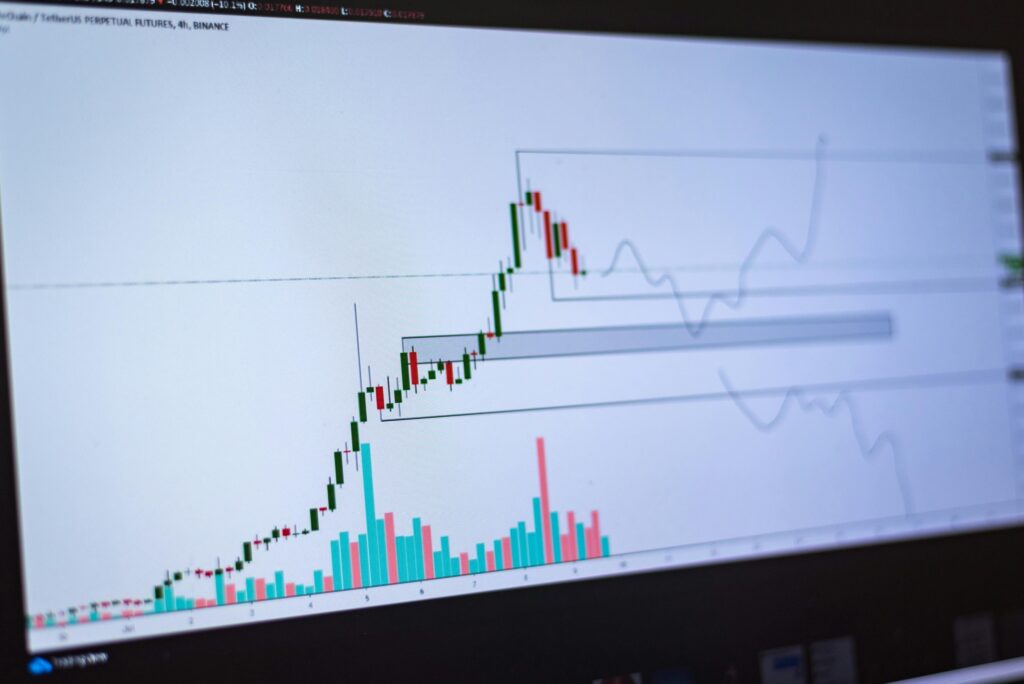
The crypto market also reacts heavily to technical indicators. Many traders rely on price charts and technical analysis to decide when to buy or sell. Key levels such as support and resistance play a vital role.
When a major support level (for example, a key price point for Bitcoin) is broken, it signals weakness to traders. Automated algorithms and bots often execute sell orders once these levels are breached, accelerating the fall. The breaking of long-term moving averages or trendlines further damages investor confidence.
These technical breakdowns often act as self-fulfilling prophecies once traders expect a drop, they sell, which then causes the drop they feared.
8. Regulatory Concerns and Uncertainty
Governments worldwide continue to struggle with how to regulate digital currencies. Every time new regulations or restrictions are announced, the market reacts sharply. Investors fear potential crackdowns on exchanges, mining operations, or crypto taxes.
Uncertainty around the legality or future of cryptocurrencies discourages new investors and prompts existing holders to sell before regulations take effect. Even rumors or speculation about stricter laws can create enough fear to push prices lower.
While regulation can ultimately bring stability and legitimacy to the market, short-term uncertainty often causes negative price reactions.
9. Decline of Altcoins and Speculative Tokens
In every crypto bull run, thousands of smaller “altcoins” and tokens emerge, many with little to no real utility. During a crash, these speculative coins are often the first to collapse.
Investors start pulling out of these high-risk assets to minimize losses, leading to rapid declines of 50% or more. As these smaller coins crash, it impacts the overall sentiment of the market. People begin to doubt the entire crypto ecosystem, including strong projects like Bitcoin or Ethereum.
This widespread loss of confidence amplifies the market-wide downturn.
10. Contagion from Other Financial Markets
Cryptocurrencies are increasingly connected to traditional financial markets. Many institutional investors who hold both stocks and crypto may sell digital assets to cover losses or rebalance their portfolios when the stock market declines.
This creates a contagion effect weakness in one market spreads to another. For example, if tech stocks face a sharp correction, it often spills over into crypto because both are considered risk-heavy sectors.
When global investors become more cautious, crypto becomes one of the first assets to be liquidated, accelerating the crash.
11. Media Influence and Negative Narratives
The media plays a significant role in shaping market sentiment. When the news cycle turns negative with headlines about “crypto crashes,” “market wipeouts,” or “massive losses” it spreads fear among both seasoned and new investors.
Social media amplifies this even further. Tweets, YouTube videos, and online discussions about falling prices can quickly cause panic. In the crypto world, where information spreads instantly, even minor rumors can lead to major market movements.
This information-driven fear can make the market behave irrationally, leading to overreactions and deeper crashes than fundamentals would justify.
12. Weak Fundamentals and Overvaluation
After long bull runs, many cryptocurrencies become overvalued relative to their actual utility or adoption. Investors start paying for hype instead of real-world performance. When enthusiasm fades, prices naturally adjust downward to more realistic levels.
In this phase, projects that lack strong fundamentals or practical use cases often collapse first, dragging the rest of the market with them. It’s a kind of natural correction the market’s way of filtering out weak players.
This “cleansing” process can be painful but is often necessary for long-term health and sustainability.
13. Panic Selling and Lack of Patience Crypto Market Crashing
Retail investors those buying smaller amounts often panic easily. Unlike institutional investors, they may not have long-term strategies or risk management plans. When prices start dropping, fear of losing money leads to panic selling.
This behavior not only locks in losses for individuals but also contributes to a collective downward spiral. The more people sell, the faster prices drop, encouraging even more people to sell — a vicious cycle that only ends when selling pressure exhausts itself.
14. Short-Term Traders and Speculators
Another factor is the rise of short-term traders who enter the market purely for quick profits. These speculators don’t care about blockchain technology or long-term adoption. Their presence increases volatility because they move in and out of positions rapidly.
When prices begin to fall, they exit immediately, taking profits or cutting losses. This adds fuel to the fire, deepening the crash and increasing price swings. The dominance of speculative trading over long-term holding makes the entire market unstable.
15. Cyclical Nature of the Market
Finally, it’s important to recognize that crashes are part of crypto’s natural boom-and-bust cycle. Every major bull market is followed by a correction or crash that resets prices. This cycle repeats every few years, often following Bitcoin’s halving events or major technological milestones.
While the immediate crash feels devastating, it’s often a period where the market cleans itself, weak projects disappear, and stronger ones emerge. Historically, after every major crash, the crypto market has eventually recovered sometimes even reaching new all-time highs.
16. What Happens After a Crash?
Crashes, while painful, often serve a purpose. They eliminate excessive speculation, reduce leverage, and help identify which projects truly have value. After the panic subsides, serious investors and developers begin rebuilding.
During these periods:
- Prices stabilize at lower levels.
- Long-term investors accumulate quality assets at discounts.
- New regulations and technologies emerge to strengthen the system.
- Trust is slowly rebuilt as innovation continues.
In the long run, these downcycles prepare the market for the next growth phase.
17. How Investors Can Respond
If you’re an investor caught in the crash, here are a few strategies to consider:
- Don’t panic. Emotional decisions often lead to greater losses.
- Reassess your portfolio. Focus on fundamentally strong projects with real-world use.
- Avoid overleveraging. High leverage increases risk exponentially.
- Stay informed but selective. Don’t let social media hype dictate your decisions.
- Think long-term. Crypto markets are cyclical downturns are temporary.
Those who understand the long-term vision of blockchain technology often view crashes as opportunities rather than disasters.
18. The Silver Lining
While the current market downturn feels severe, it’s not the end of crypto. History shows that every crash has led to a stronger, more mature market afterward. The technology behind cryptocurrencies blockchain, smart contracts, decentralized finance continues to evolve rapidly.
In fact, such corrections are essential to eliminate speculation and refocus attention on innovation and real adoption. The crypto ecosystem becomes healthier when only the strongest and most useful projects survive.
Conclusion
The crypto market crash is the result of multiple interconnected factors from excessive leverage and global uncertainty to market psychology, technical breakdowns, and speculative excesses. While these crashes are painful for investors, they are also part of the natural evolution of a young and dynamic financial system.
Every dip teaches valuable lessons: the importance of patience, diversification, and long-term vision. The truth is, the cryptocurrency market has faced many crashes before and each time, it has come back stronger.
So rather than viewing this crash as the end, it might just be another chapter in the ongoing story of digital finance a story still being written, one block at a time.

Introduction
In today’s digital world, mobile payment apps have revolutionized how we handle money. Gone are the days of carrying cash or swiping cards for every transaction. Now, with just a few taps on your smartphone, you can pay bills, shop online, send money to friends, or even buy groceries. These apps have not only made life more convenient but also transformed the global economy by promoting a cashless society.
Whether it’s Apple Pay, Google Pay, PayPal, or Venmo, mobile payment platforms have become essential tools for millions of users worldwide. In this article, we’ll explore what mobile payment apps are, how they work, their benefits, challenges, and the future trends shaping this technology.
What Are Mobile Payment Apps?
Mobile payment apps are digital platforms that allow users to make financial transactions using their smartphones or tablets. They link your mobile device with your bank account, debit/credit card, or digital wallet. This means you can send or receive money, make purchases, or pay bills without needing physical cash or cards.
These apps typically use technologies like NFC (Near Field Communication), QR codes, and internet banking APIs to process transactions securely.
How Do Mobile Payment Apps Work?
The functioning of mobile payment apps may vary slightly between platforms, but the process is generally straightforward:
- User Registration:
You download the app from the App Store or Google Play, sign up using your phone number or email, and verify your identity. - Linking Accounts:
The next step involves connecting your app with your bank account or debit/credit card. - Adding Money (for Wallet Apps):
Some apps, like Paytm or Venmo, allow you to add funds to your digital wallet. - Making Payments:
You can then use NFC, QR codes, or contact lists to send or receive money instantly. - Security & Authentication:
Payments are protected by encryption, two-factor authentication, and biometric security (like fingerprint or face ID).
Popular Mobile Payment Apps Worldwide
Let’s look at some of the most popular mobile payment apps used globally and what makes them stand out.

1. PayPal
PayPal is one of the oldest and most trusted mobile payment platforms. It allows users to send and receive payments securely in over 200 countries. Its integration with e-commerce platforms like eBay and Shopify makes it a popular choice for online sellers and buyers.
2. Google Pay
Google Pay (GPay) is known for its simplicity and security. It integrates with your Google account and lets you make contactless payments, pay bills, and transfer money to friends directly from your smartphone.
3. Apple Pay
Exclusively for iOS users, Apple Pay uses NFC technology to make in-store and online payments. It offers top-notch security features, including tokenization and Face ID authentication.
4. Samsung Pay
Samsung Pay supports both NFC and magnetic secure transmission (MST), making it compatible with almost any card terminal. It’s a preferred option for Samsung smartphone users.
5. Venmo
Venmo, owned by PayPal, is a social payment app that allows users to send and receive money while adding fun messages and emojis. It’s especially popular among younger users in the U.S.
6. Cash App
Developed by Block (formerly Square), Cash App enables peer-to-peer payments and allows users to invest in stocks or Bitcoin. It’s one of the fastest-growing payment apps in North America.
7. Paytm
In India, Paytm dominates the market with services ranging from bill payments to movie tickets and investments. It was one of the first apps to promote digital payments in the region.
8. Alipay and WeChat Pay
In China, Alipay (by Alibaba) and WeChat Pay (by Tencent) are the backbone of the cashless economy. They cover everything from buying groceries to paying utility bills or booking travel.
Benefits of Mobile Payment Apps
Mobile payment apps offer numerous benefits to both consumers and businesses. Here’s a closer look at why they’ve become so popular:
1. Convenience
With mobile payments, you no longer need to carry cash or cards. You can pay for groceries, fuel, online shopping, and more—all from your smartphone.
2. Speed and Efficiency
Transactions are completed within seconds. Whether it’s transferring money to a friend or paying at a store, the process is smooth and instant.
3. Enhanced Security
These apps use high-level encryption, biometric authentication, and real-time alerts to prevent fraud. In fact, mobile payments are often safer than using physical cards.
4. Rewards and Cashback
Most mobile payment platforms offer cashback offers, discounts, and loyalty points for frequent users, encouraging digital transactions.
5. Record Keeping
Every transaction is recorded digitally, making it easier to track expenses, manage budgets, and generate financial reports.
6. Global Access
Many mobile payment apps work internationally, allowing users to make cross-border transactions seamlessly.
7. Financial Inclusion
Mobile payment apps help bring banking services to people in remote or underserved areas, promoting financial inclusion worldwide.

Security Features in Mobile Payment Apps
Security is a major concern when it comes to online transactions. That’s why payment apps use advanced technologies to protect users’ data.
- Encryption:
Ensures all sensitive information is transmitted securely. - Tokenization:
Instead of sending actual card numbers, apps send encrypted “tokens,” making it impossible for hackers to steal your information. - Biometric Authentication:
Fingerprint or facial recognition adds another layer of protection. - Two-Factor Authentication (2FA):
Requires users to confirm transactions through PINs or OTPs (One-Time Passwords). - Instant Alerts:
Users get real-time notifications of every transaction to detect unauthorized activity.
Challenges and Risks
Despite their advantages, mobile payment apps also face certain challenges:
1. Cybersecurity Threats
Hackers continuously look for loopholes to exploit. Phishing attacks and malware can target unprotected devices.
2. Privacy Concerns
These apps collect user data, which raises privacy concerns if not handled properly.
3. Internet Dependency
Without an internet connection, most mobile payment apps cannot function, making them unusable in low-network areas.
4. Limited Merchant Acceptance
While mobile payments are growing fast, some small businesses still prefer cash transactions.
5. Technical Errors
Sometimes, server outages or app glitches can disrupt transactions and cause delays.
How Businesses Benefit from Mobile Payments
Mobile payments aren’t just convenient for consumers; they also provide significant advantages to businesses.
- Faster Transactions:
Reduces waiting time at checkout counters. - Reduced Cash Handling:
Minimizes the risk of theft and the cost of managing cash. - Improved Customer Experience:
Offering multiple payment options boosts customer satisfaction and loyalty. - Access to Data Analytics:
Businesses can analyze customer spending habits and personalize marketing offers. - Easy Integration with E-commerce:
Mobile payment apps integrate seamlessly with online stores, enabling smooth online sales.
Future of Mobile Payment Apps
The future of mobile payments looks promising as technology continues to evolve. Here are a few trends shaping the industry:
1. Blockchain and Cryptocurrency
With blockchain technology, payments are becoming more secure and transparent. Apps like Cash App already allow users to buy and sell Bitcoin.
2. Biometric Advancements
Facial recognition, voice ID, and even palm scanning will make mobile payments faster and more secure.
3. AI and Machine Learning
AI can detect fraud patterns, enhance personalization, and improve customer support through chatbots.
4. Cross-Border Payment Solutions
Global payment apps will increasingly support instant international transfers with minimal fees.
5. Super Apps
Platforms like WeChat and Alipay combine multiple services messaging, shopping, payments, and more into one ecosystem. This “super app” model is likely to expand worldwide.
Tips for Using Mobile Payment Apps Safely
To ensure a secure experience while using mobile payment apps, follow these best practices:
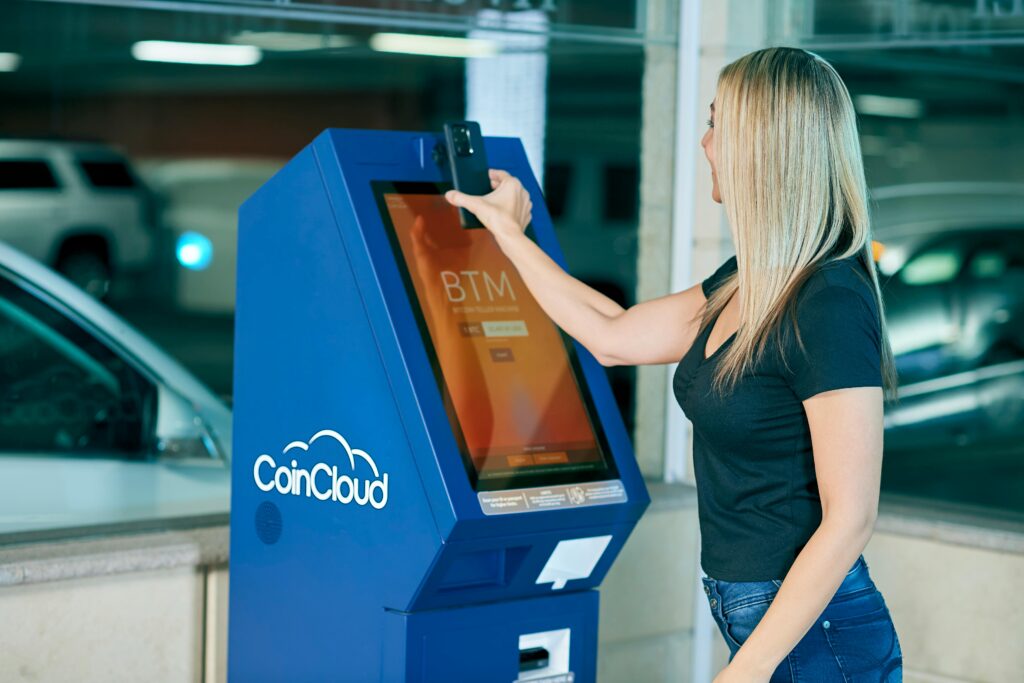
- Download apps only from trusted stores (Google Play or App Store).
- Avoid using public Wi-Fi for financial transactions.
- Enable two-factor authentication.
- Regularly update your app and device software.
- Monitor your account for suspicious activity.
- Set strong PINs and use biometric verification when available.
Conclusion
Mobile payment apps are transforming how we handle money, making financial transactions more accessible, efficient, and secure. From shopping and bill payments to business transactions and peer-to-peer transfers, these digital platforms have become an essential part of modern life.
While challenges like cybersecurity and privacy concerns remain, the benefits far outweigh the risks. As technology continues to advance, the future of mobile payments will likely bring even greater innovation and convenience.
Embracing mobile payment apps isn’t just about keeping up with technology it’s about stepping into the future of finance.

Introduction
When it comes to long-term investing, few names carry as much weight and trust as Vanguard. Known for its low fees, investor-first philosophy, and broad diversification, Vanguard has become a cornerstone for both beginner and professional investors worldwide.
Founded by John C. Bogle in 1975, Vanguard revolutionized the investment world by introducing the first index mutual fund, allowing everyday investors to own a slice of the market at a fraction of the cost. Today, Vanguard manages over $8 trillion in global assets, making it one of the largest and most respected investment companies in the world.
In this guide, we’ll explore what Vanguard mutual funds are, how they work, the different types, best-performing options, and how to choose the right one for your financial goals.
What Are Vanguard Mutual Funds?
Understanding Mutual Funds
A mutual fund is a professionally managed investment that pools money from many investors to buy a diversified portfolio of stocks, bonds, or other securities. Each investor owns shares of the fund, representing a proportional stake in its holdings.
The goal is to offer diversification, convenience, and professional management all in a single investment.
Vanguard’s Approach
Vanguard stands out because of its unique ownership structure. Unlike most investment companies that are owned by shareholders seeking profits, Vanguard is owned by its funds, which in turn are owned by the investors. This structure allows Vanguard to operate “at cost”, returning profits to investors in the form of lower fees.
This investor-first model is what made Vanguard famous for low expense ratios, often less than 0.10%, compared to the industry average of over 1%.
Types of Vanguard Mutual Funds
Vanguard offers a wide range of mutual funds to suit different investment goals and risk levels. Let’s explore the main categories.
1. Index Funds
Vanguard’s most popular products are index mutual funds. These funds aim to track the performance of a specific market index (like the S&P 500) rather than beat it.
Examples:
- Vanguard 500 Index Fund (VFIAX) – Tracks the S&P 500, offering exposure to the largest U.S. companies.
- Vanguard Total Stock Market Index Fund (VTSAX) – Covers the entire U.S. stock market, including small-, mid-, and large-cap stocks.
- Vanguard Total International Stock Index Fund (VTIAX) – Provides exposure to non-U.S. markets.
Why choose it?

- Low cost
- Broad diversification
- Historically strong long-term returns
Index funds are ideal for investors who believe in passive investing a “buy and hold” strategy proven to outperform most active managers over time.
2. Actively Managed Funds
Unlike index funds, actively managed funds employ professional fund managers who try to outperform the market by carefully selecting investments.
Examples:
- Vanguard Windsor Fund (VWNDX) – Focuses on undervalued large U.S. companies.
- Vanguard Primecap Fund (VPMCX) – Targets companies with strong growth potential.
- Vanguard Explorer Fund (VEXPX) – Invests in smaller companies with higher growth opportunities.
Why choose it?
- Potential for above-average returns
- Professional management and research
- Suitable for investors willing to accept slightly higher fees for potential performance
3. Bond Funds
Vanguard’s bond funds focus on income generation and capital preservation. These are perfect for conservative investors or retirees looking for stability.
Examples:
- Vanguard Total Bond Market Index Fund (VBTLX) – Tracks the U.S. bond market, including government and corporate bonds.
- Vanguard Intermediate-Term Investment-Grade Fund (VFICX) – Focuses on medium-term, high-quality corporate bonds.
- Vanguard Long-Term Bond Index Fund (VBLAX) – Invests in long-term government and corporate bonds for higher yields.
Why choose it?
- Regular income through interest payments
- Lower volatility than stocks
- Balances risk in a diversified portfolio
4. Target Retirement Funds
These funds automatically adjust their asset allocation over time based on a target retirement year. They start out aggressive and become more conservative as you near retirement.
Examples:
- Vanguard Target Retirement 2040 Fund (VFORX) – For those retiring around 2040.
- Vanguard Target Retirement 2060 Fund (VTTSX) – For younger investors aiming for long-term growth.
Why choose it?
- Hands-off investing
- Automatic rebalancing
- Ideal for retirement planning
5. Sector and Specialty Funds
Vanguard also offers sector-based funds focusing on specific industries or themes.
Examples:
- Vanguard Real Estate Index Fund (VGSLX) – Invests in REITs (real estate investment trusts).
- Vanguard Health Care Fund (VGHCX) – Focuses on healthcare and pharmaceutical companies.
- Vanguard Energy Fund (VGENX) – Targets oil, gas, and renewable energy industries.
Why choose it?
- Focused exposure to fast-growing industries
- Can enhance diversification or complement a core portfolio
Why Vanguard Mutual Funds Are Popular
1. Low Expense Ratios
Vanguard’s fees are among the lowest in the industry. The lower the cost, the more returns stay in your pocket. Over 20–30 years, this can mean tens of thousands of dollars more in gains.
2. Diversification
By investing in just one Vanguard fund, you can own hundreds or even thousands of securities, spreading risk across multiple sectors and countries.
3. Accessibility
Most Vanguard mutual funds can be started with as little as $1,000 to $3,000, making them accessible to small investors.
4. Long-Term Performance
Vanguard’s index funds have historically delivered steady, long-term returns aligned with the overall market, which has averaged around 7–10% annually.
5. Trusted Reputation
For nearly 50 years, Vanguard has built a reputation for integrity, transparency, and investor education values that make it a top choice worldwide.
How to Invest in Vanguard Mutual Funds
Step 1: Define Your Goals
Ask yourself:
- Am I investing for retirement, education, or wealth growth?
- What’s my risk tolerance conservative, balanced, or aggressive?
Step 2: Choose Fund Types
If you want simplicity and diversification, go for:
- VTSAX (Total Stock Market Index Fund) for broad stock exposure.
- VBTLX (Total Bond Market Index Fund) for income and stability.
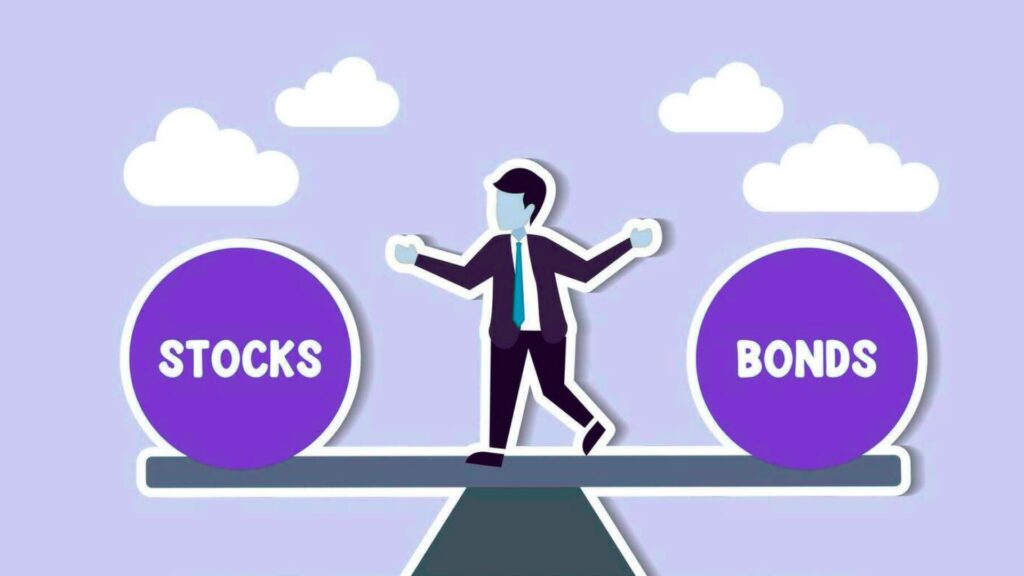
- Or combine both in a 60/40 ratio for a balanced portfolio.
Step 3: Open a Vanguard Account
Visit vanguard.com to open an account. You can choose between:
- Individual or Joint Brokerage Account
- Traditional or Roth IRA
- Trust or Custodial Account
Step 4: Start Investing
Deposit your funds and choose your preferred mutual fund. Many investors also set up automatic monthly investments to build wealth consistently.
Step 5: Monitor and Rebalance
Review your portfolio once or twice a year. Rebalance when your asset allocation drifts from your target (e.g., if stocks grow faster than bonds).
Top Vanguard Mutual Funds in 2025
| Fund Name | Type | 5-Year Annual Return | Expense Ratio |
|---|---|---|---|
| Vanguard 500 Index Fund (VFIAX) | Stock Index | ~10.3% | 0.04% |
| Vanguard Total Stock Market Index Fund (VTSAX) | Stock Index | ~9.8% | 0.04% |
| Vanguard Dividend Growth Fund (VDIGX) | Active Stock | ~8.6% | 0.27% |
| Vanguard Total Bond Market Index Fund (VBTLX) | Bond Index | ~4.1% | 0.05% |
| Vanguard Target Retirement 2040 Fund (VFORX) | Target Date | ~8.2% | 0.08% |
(Returns are approximate and can vary based on market conditions.)
Risks to Consider
While Vanguard funds are considered safe and reliable, every investment carries risk.
1. Market Volatility
Stock-based funds can lose value during market downturns. Long-term investors should stay patient and avoid emotional selling.
2. Interest Rate Risk
Bond funds may decline when interest rates rise, though they still provide stability and income over time.
3. Inflation Risk
Cash or bond-heavy portfolios might not keep pace with inflation, so balancing with equities is important.
4. International Risk
Global funds face currency fluctuations and geopolitical uncertainty. Diversification helps reduce these risks.
Advantages of Vanguard Over Other Fund Companies
| Feature | Vanguard | Competitors (Fidelity, Schwab) |
|---|---|---|
| Expense Ratios | Lowest industry-wide | Slightly higher |
| Ownership Structure | Owned by investors | Owned by shareholders |
| Fund Variety | 200+ mutual funds | Similar range |
| Passive Index Leadership | Pioneer | Strong but secondary |
| Long-Term Philosophy | Yes | Varies by company |
Vanguard’s structure ensures investor profits come first, not corporate gains — a philosophy unmatched in the industry.
Vanguard vs. ETFs
While both mutual funds and ETFs (exchange-traded funds) are popular at Vanguard, they differ slightly.
| Feature | Mutual Fund | ETF |
|---|---|---|
| Minimum Investment | $1,000–$3,000 | 1 share (~$100) |
| Trading | Once per day | Throughout the day |
| Auto Investing | Yes | Limited |
| Tax Efficiency | Moderate | Higher |
| Ideal For | Long-term investors | Active traders |
If you prefer automatic investing and a hands-off approach, mutual funds are perfect. ETFs suit those who like flexibility and real-time trading.
Frequently Asked Questions (FAQ)
1. Are Vanguard mutual funds safe?
Yes. Vanguard funds are highly regulated, diversified, and managed by one of the world’s most trusted firms. While not risk-free, they are considered secure for long-term investing.
2. Can I lose money in a Vanguard mutual fund?
Yes, in the short term due to market fluctuations. However, over long periods, diversified Vanguard funds historically deliver positive returns.
3. What is the minimum investment amount?
Most Vanguard mutual funds require between $1,000 and $3,000 to start. Some retirement accounts may have lower limits.
4. How do I withdraw money from my Vanguard mutual fund?
You can sell your fund shares anytime through your Vanguard account and transfer the cash to your bank account within a few business days.
5. Are Vanguard funds good for beginners?
Absolutely! Their index and target retirement funds are ideal for new investors who want simplicity and long-term growth.
Conclusion
Vanguard mutual funds are the gold standard for long-term investing — offering affordability, transparency, and performance consistency. Whether you’re saving for retirement, building wealth, or diversifying your portfolio, Vanguard provides reliable solutions to fit your financial journey.
By choosing the right mix of stock, bond, and target-date funds, you can create a balanced portfolio that grows steadily over time while minimizing risk. Vanguard’s founder, John Bogle, once said, “The miracle of compounding returns is overwhelmed by the tyranny of compounding costs.” That’s why Vanguard’s low-cost philosophy continues to help millions achieve financial independence.
In 2025 and beyond, Vanguard mutual funds remain a smart, proven path toward achieving your financial goals with confidence and stability.


How to Remove a Virus from Android (Complete Guide 2026)

Spring/Summer 2026 Fashion Trends You Can Shop Now

How to Detect and Remove Spyware From an Android Phone 2026


-

 Blog8 months ago
Why ’90s Fashion Still Dominates Today’s Style Scene
-

 How-to Guides7 months ago
How to Screenshot on Mac: The Complete 2026 Guide
-

 How-to Guides8 months ago
How to Restore Pantone Colors in New Illustrator Versions (2026 Guide)
-

 Blog7 months ago
Reddit Politics in 2026: How Online Political Discourse Shapes Opinions
-

 Blog8 months ago
Top Fashion Trends to Follow in August 2025