
Health, Wellness & Mental Well-Being
Morning Routine for Success: The Ultimate Guide to Transform Your Day


Introduction
The way you start your morning sets the tone for your entire day. If you wake up rushed, scrolling through social media, or hitting the snooze button three times, you’re already beginning with stress and distraction. On the other hand, when you design a mindful, structured morning routine, you cultivate discipline, clarity, and focus that fuel long-term success.
Successful people across industries entrepreneurs, athletes, writers, and leaders swear by the power of their morning rituals. But here’s the truth: you don’t need to copy someone else’s routine. What matters is building a system that aligns with your goals, personality, and lifestyle.
In this blog, we’ll dive deep into why a morning routine is critical for success, explore habits that top performers use, and provide a step-by-step framework to create your own powerful morning routine.
Why Morning Routines Matter for Success
1. Sets the Tone for the Day
Your morning is the foundation of your day. If you start positively focused on clarity and productivity you’re more likely to handle challenges effectively and remain disciplined.
2. Builds Consistency and Discipline
Success is less about big bursts of effort and more about consistent daily actions. A morning routine hardwires discipline into your life by creating structure before distractions take over.
3. Reduces Decision Fatigue
Successful people like Steve Jobs or Mark Zuckerberg often minimized small decisions (like choosing what to wear). A morning routine reduces decision fatigue by automating your early hours, so your brain has more energy for important tasks.
4. Boosts Mental and Physical Energy
Incorporating exercise, healthy nutrition, and mindfulness in the morning enhances both physical stamina and mental sharpness, improving performance throughout the day.
Key Elements of a Successful Morning Routine
While every individual’s morning routine will differ, certain elements are consistently found in the routines of high achievers. Let’s break them down:

1. Waking Up Early
Waking up early doesn’t mean sacrificing sleep it means aligning your wake-up time with your body’s natural rhythm while ensuring 7–8 hours of rest. Rising early gives you quiet, uninterrupted time for reflection, planning, and creativity.
2. Hydration First Thing
After hours of sleep, your body is dehydrated. Drinking a glass of water first thing helps rehydrate, kickstart your metabolism, and improve mental alertness. Some people add lemon for digestion and detox benefits.
3. Mindfulness and Meditation
Taking even 5–10 minutes for meditation, prayer, or gratitude journaling can calm your mind and set a positive tone. It reduces anxiety, improves focus, and aligns your mindset with your long-term goals.

4. Physical Movement
Exercise is a non-negotiable for long-term success. Whether it’s yoga, stretching, running, or weight training, morning workouts boost endorphins, energy, and productivity. Many successful leaders credit exercise for their ability to handle stress.
5. Goal Setting and Planning
Before diving into work, spend time reviewing your goals. Writing down the top three tasks for the day ensures you’re proactive instead of reactive. Tools like to-do lists, digital planners, or journaling help keep you focused.
6. Nourishing Breakfast
A healthy breakfast provides fuel for your body and brain. Choose balanced options like oatmeal, eggs, smoothies, or avocado toast. Avoid sugar-loaded cereals or heavy meals that cause energy crashes.

7. Learning and Growth
Successful people are lifelong learners. Spend 15–30 minutes reading, listening to podcasts, or reviewing educational material in the morning. It primes your brain for growth and innovation.
Step-by-Step Morning Routine for Success
Here’s a sample 2-hour morning routine you can adapt:
6:00 AM – Wake Up and Hydrate
Drink water immediately. Open the curtains, let natural light in, and do a quick stretch.
6:15 AM – Mindfulness Practice
Spend 10 minutes meditating, journaling gratitude, or practicing deep breathing. This clears your mental space.
6:30 AM – Exercise
Engage in 30–40 minutes of physical activity yoga, a run, strength training, or a brisk walk.
7:15 AM – Shower and Refresh
A cool or lukewarm shower energizes you. Some people swear by cold showers for alertness and resilience.
7:30 AM – Goal Review and Planning
Write down your top three priorities for the day. Avoid opening emails or social media until this step is done.
7:45 AM – Breakfast and Learning
Have a healthy breakfast while reading a book, listening to an audiobook, or watching a motivational talk.
8:15 AM – Start Work on the Most Important Task
Begin with your most challenging or valuable task (sometimes called the “MIT”—Most Important Task).
Mistakes to Avoid in Your Morning Routine
- Hitting the Snooze Button : This confuses your brain and body, making you feel more tired.
- Checking Phone Immediately : Social media and emails pull you into other people’s priorities, killing your focus.
- Skipping Breakfast : Your brain needs fuel to perform at its best.
- Overloading Your Routine : Don’t try to cram 20 habits into the morning. Start simple and build consistency.
Morning Routines of Successful People
- Barack Obama starts his day with a workout, breakfast with his family, and reviewing his schedule.
- Oprah Winfrey begins with meditation, exercise, and gratitude journaling.
- Tim Cook (CEO of Apple) wakes up at 4:00 AM, answers emails, and then hits the gym.
- Richard Branson (Virgin Group) prefers early-morning tennis or kitesurfing to energize his day.
The common theme? Mindfulness, physical activity, and proactive planning.
Building Your Own Routine
Not every routine will work for you. Here’s how to personalize yours:

- Identify Your Goals : Do you want more productivity, better health, or stronger focus?
- Experiment with Habits : Test different activities like journaling, meditation, or exercise.
- Start Small : Build one habit at a time to avoid burnout.
- Stay Flexible : If you travel or have late nights, adjust your routine without guilt.
- Track Progress : Use a journal or app to monitor how your routine impacts productivity and mood.
FAQs About Morning Routines
Q1: How long should a morning routine be?
It can be as short as 30 minutes or as long as 2 hours. Focus on quality, not quantity.
Q2: What if I’m not a morning person?
You don’t need to wake up at 5 AM to succeed. Instead, wake up earlier than your usual time and gradually build habits that energize you.
Q3: Can I check my phone in the morning?
Ideally, delay phone use for at least 30–60 minutes. This prevents distractions and negative influence.
Q4: Is skipping breakfast okay?
Some people thrive on intermittent fasting. If it aligns with your health goals, that’s fine—but ensure hydration and mental clarity remain strong.
Q5: How do I stay consistent?
Set a fixed bedtime, prepare your clothes and essentials the night before, and remind yourself of the long-term benefits.
Final Thoughts
A powerful morning routine is not about perfection it’s about progress. The best routines are built with consistency, self-awareness, and intentional actions. Whether you’re a student, entrepreneur, or professional, starting your day with clarity, energy, and focus gives you a massive advantage.

If you want to lose weight without feeling hungry all the time, high protein snacks for weight loss are your secret weapon. These vegan protein snacks and plant-based high protein foods help you stay full, boost metabolism, and prevent overeating. From roasted chickpeas and edamame to vegan jerky and tofu cubes, there are plenty of options that are convenient, tasty, and effective. Incorporating cruelty-free snacks, protein bars, or nut and seed packs into your routine can make a big difference in weight management, muscle preservation, and overall fat loss, while keeping your snacking habits smart and enjoyable.
High Protein Snacks for Weight Loss That Work
High protein snacks for weight loss are not just about cutting calories they help you stay full and energized throughout the day. Protein increases the thermic effect of food, meaning your body burns more calories digesting it compared to fats or carbs. This makes protein a powerful ally for fat loss.
Examples of snacks that work:
- Roasted chickpeas – crunchy, high in fiber, and satisfying
- Edamame – rich in amino acids and plant-based protein
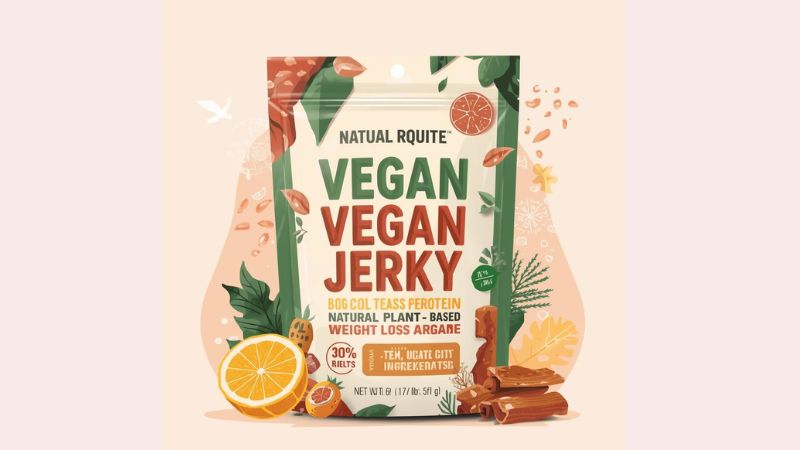
- Vegan jerky – chewy, flavorful, and perfect on the go
- Nuts and seeds – healthy fats plus protein for long-lasting fullness
Using these snacks strategically prevents overeating at meals and supports lean muscle maintenance, which is critical for a higher metabolism.
Why Protein Is Your Weight Loss Ally
Protein is not just another nutrient it’s your metabolism booster and appetite controller. When you eat high-protein snacks, your body signals satiety hormones that tell your brain you’re full. This helps prevent those impulsive, high-calorie grabs between meals.
Additionally, protein protects your muscles while you’re in a calorie deficit. Less muscle means a slower metabolism, making weight loss harder. Eating protein-packed snacks like tofu cubes, almonds, or vegan protein bars ensures your body burns fat instead of muscle. In short, protein keeps your body strong, energized, and fat-burning efficient.
How To Choose The Best Vegan Protein Snacks
Finding the right vegan protein snacks requires reading labels and understanding your goals. Focus on protein-to-calorie ratio, fiber content, and whole-food ingredients. Avoid snacks with hidden sugars like high-fructose corn syrup, dextrose, or agave nectar.
Tips for smart shopping:
- Check protein grams per serving – aim for 10–20g per snack
- Fiber is key – slows digestion and boosts fullness
- Low sodium – prevents bloating
- Whole-food ingredients – chickpeas, nuts, seeds, tofu, edamame
| Snack Type | Protein (g) | Calories | Benefits |
|---|---|---|---|
| Roasted Chickpeas (1 oz) | 6 | 120 | Crunchy, fiber-rich |
| Edamame (1 cup) | 17 | 188 | High protein, vitamins & minerals |
| Almonds (1/4 cup) | 7 | 207 | Healthy fats & filling |
| LVJ Vegan Jerky (2 oz) | 14-21 | 140-220 | Chewy, savory, great protein ratio |
| Tofu Cubes (1/2 cup) | 10 | 94 | Low-calorie, versatile |
This table shows how even small servings pack a protein punch while staying low in calories.
Our Favorite Plant-Based High Protein Snack Ideas
Here are some easy plant-based high protein snacks that fit a busy lifestyle:
- Roasted chickpeas – flavor them with paprika or garlic powder for crunch without guilt
- Edamame – steamed, lightly salted, and ready to eat
- Nut and seed packs – almonds, walnuts, pumpkin seeds portioned for convenience
- Vegan jerky – perfect for savory cravings, shelf-stable, and protein-packed
The global protein snack market is growing because people want healthy, filling snacks that support weight management goals. Having grab-and-go options ensures you stick to your plan even on hectic days.
Timing Your Snacks for Maximum Impact
When you eat is almost as important as what you eat. High-protein snacks are most effective when timed around energy dips or workouts.
- Mid-afternoon slump (2–4 PM): A handful of almonds or vegan jerky prevents overeating at dinner.
- Post-workout: Protein helps repair micro-tears in muscles. Target 15–20g of protein within an hour after exercising. Examples: a creamy vegan protein shake or a bowl of edamame.
Timing snacks strategically helps keep energy levels steady, supports muscle repair, and enhances metabolism, making weight loss more effective.
Simple Vegan High Protein Snack Recipes
Making your own snacks is easy, fun, and ensures total control over ingredients. Here are three simple recipes:
1. 5-Minute Almond Butter Protein Bites
- 1 cup rolled oats
- 1/2 cup almond butter
- 1/3 cup maple syrup
- 2 tbsp chia seeds
- 1/4 cup vegan protein powder
Mix, roll into balls, chill 15 minutes. High-protein, fiber-rich, and delicious.
2. Savory Roasted Chickpeas
- 1 can chickpeas, rinsed & dried
- 1 tbsp olive oil
- 1/2 tsp smoked paprika, garlic powder, salt
Roast 20–25 minutes at 400°F. Crunchy, protein-packed snack.
3. Creamy White Bean Herb Dip
- 1 can cannellini beans
- 2 tbsp lemon juice
- 1 garlic clove, minced
- 2 tbsp herbs, olive oil, salt
Blend until smooth. Serve with carrot sticks, cucumber, or bell peppers.
These snacks are cruelty-free, high in protein, and easy to prep. They keep you full, energized, and on track with weight loss.
Click here Top 10 Kidney-Friendly Foods for CKD
Conclusion
Smart high-protein snacks for weight loss help you control hunger, protect lean muscle, and keep your metabolism high. Whether you grab vegan jerky on the go or make homemade protein bites, the key is choosing snacks with the right protein-to-calorie ratio, fiber, and whole-food ingredients. Timing snacks around energy dips or workouts maximizes results, making your weight loss journey easier, sustainable, and enjoyable.
FAQ
1. What protein snacks are good for losing weight?
High-protein snacks like roasted chickpeas, edamame, tofu cubes, vegan jerky, and almonds help you feel full and reduce cravings. They support muscle maintenance and keep your metabolism active while losing weight.
2. What has 40g of protein?
A large serving of grilled chicken breast (~6 oz) or protein shakes made with vegan protein powder can provide around 40g of protein. Certain seitan or tofu meals can also reach this amount.
3. What are the top 10 protein snacks?
Top options include almonds, roasted chickpeas, edamame, pumpkin seeds, vegan jerky, protein bars, Greek yogurt, tofu cubes, cottage cheese, and peanut butter on whole grain toast. All are high in protein and fiber for fullness.
4. What snacks help burn fat?
Snacks rich in protein and fiber like nuts, seeds, edamame, and high-protein bars help burn fat by boosting metabolism and reducing appetite. Adding green tea or spicy foods may slightly increase calorie burn.
5. How to lose 5kg in 7 days diet?
Rapid weight loss requires a very low-calorie diet, plenty of water, and high-protein meals while cutting processed foods and sugar. However, this is not usually safe, and sustainable weight loss is recommended at 0.5–1kg per week.

Introduction
Parents often worry about undercooked meat. Children need food that is both safe and easy to eat. The best way to ensure safety is by checking the internal temperature. A wireless thermometer helps you cook meat correctly without guessing. In this guide, you will learn how to cook meat safely for kids using simple steps and clear temperature rules.
How to Use a Wireless Thermometer to Prepare Meat Are Best for Kids’ Meals
A wireless thermometer isn’t just convenient it’s a reliable safety tool.
1. Ensures Accurate Internal Temperature
Children’s meals must reach specific temperatures to kill harmful bacteria like Salmonella, E. coli, and Listeria. A wireless thermometer gives real-time, precise readings.
2. Reduces Overcooking and Keeps Meat Tender
Kids struggle with tough, dry meat. Maintaining the right temperature ensures juiciness and tenderness.
3. Hands-Free Monitoring
You can cook while doing other kitchen tasks, receiving alerts on your phone when the meat is done.
4. Avoids Guesswork
No need to cut meat open, which can cause moisture loss. The thermometer tells you exactly when it’s safe.
Why Use a Wireless Thermometer Helps
Using a wireless thermometer makes the cooking process safer and easier. It gives accurate temperature readings. It also helps you avoid overcooking. Children need tender and juicy meat. A thermometer stops cooking at the right moment. You also receive alerts on your phone, so you do not need to open the oven and lose heat.
Transition words such as also, therefore, and however improve readability.

Safe Internal Temperatures for Kids Meals
Below are the correct internal How to Use a Wireless Thermometer to Prepare for different meats. These temperatures keep children safe from harmful bacteria.
| Meat Type | Safe Temperature |
|---|---|
| Chicken and turkey | 165 F or 74 C |
| Beef patties or minced meat | 160 F or 71 C |
| Beef steak or roast | 145 F or 63 C plus resting time |
| Fish | 145 F or 63 C |
| Lamb | 160 F or 71 C |
| Pork | 145 F or 63 C plus rest |
Checking temperatures with a wireless thermometer is more reliable than checking color. Meat can look done but still be unsafe.
Step by Step Guide on How to Use a Wireless Thermometer to Prepare Meat
Step One. Prepare the Meat
Start by washing your hands and cleaning the kitchen counter. This prevents cross contamination. Pat the meat dry. Dry meat cooks more evenly. Trim excess fat to avoid flare ups. Finally, cut the meat into medium pieces so it cooks consistently.
Step Two. Insert the Wireless Thermometer
For accurate results, insert the thermometer into the thickest part of the meat. Avoid touching bones or fat pockets. These areas heat differently. For thin pieces, insert the probe from the side. Make sure the device connects to your phone before cooking.
Step Three. Set the Target Temperature
Most wireless thermometers include preset temperatures. Choose the correct option for chicken, beef, lamb, or fish. If presets are not available, enter the safe temperature manually. This ensures proper cooking every time.
Step Four. Cook and Monitor
Cook your meat in the oven, grill, stove, or air fryer. The thermometer sends live temperature updates. As a result, you do not need to open the oven or guess doneness. When the meat reaches the correct temperature, the thermometer will alert you.
Step Five. Let the Meat Rest
Resting helps the juices settle. It also makes the meat softer. Rest chicken for three to five minutes. Rest steak for three minutes. Rest roasts for five to ten minutes. Resting improves taste and texture, which is important for kids.

How to Use a Wireless Thermometer to Prepare Meat for children
Children enjoy soft and mild flavored food. Cut meat into small bite sized pieces. This prevents choking. Use gentle seasonings such as light herbs and lemon. Choose naturally tender cuts. Serve boneless pieces for younger children. These steps make meals safer and more enjoyable.
Common Mistakes to Avoid Using a Wireless Thermometer
Avoid relying on color alone. Color does not show safety. Avoid cooking meat on high heat. High heat cooks the outside faster and leaves the inside raw. Always clean your thermometer probe after use. Never use the same cutting board for raw and cooked meat. Avoid inserting the thermometer too shallow, as it gives incorrect readings.
Teaching Kids How to Use a Wireless Thermometer to Prepare Meat
Learning about temperature and hygiene helps children develop healthy habits. A wireless thermometer makes teaching easier. Children can watch how temperature rises. They can also learn why correct cooking is important.
Frequently Asked Questions
Can I leave the wireless thermometer inside while cooking
Yes. Most wireless thermometers are designed to stay inside the meat during cooking.
Can one thermometer be used for different meats
Yes, as long as you clean the probe before and after use.
Do kids need higher temperatures
No. They need the correct safe temperatures listed above.
Can I cook without a thermometer
No. A thermometer is the only accurate way to check doneness.
Is an air fryer safe for kids meals
Yes. When used with a wireless thermometer, it cooks meat evenly and safely.

Introduction
Winter brings cold weather, shorter days, and unique challenges for our health. Feeling low on energy, dry skin, and seasonal illnesses are common in the colder months. Choosing the right foods can make a huge difference.
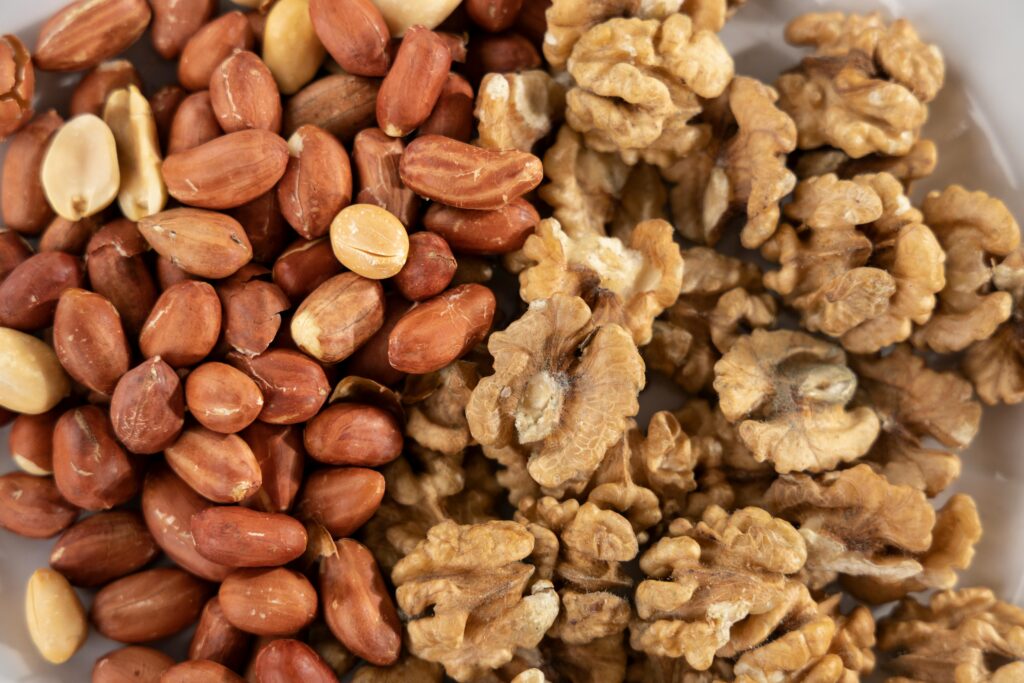
Among all nutritious options, walnuts are one of the best winter superfoods. Packed with healthy fats, protein, fiber, vitamins, and minerals, walnuts provide warmth, energy, and protection against seasonal challenges. Including walnuts in your winter diet can support immunity, heart health, brain function, skin, hair, and overall well-being.
1. Nutritional Power of Walnuts
Walnuts are small but packed with nutrients. They contain:
- Healthy fats: Provide long-lasting energy and keep you warm.
- Protein and fiber: Support digestion and keep you full.
- Vitamins and minerals: Promote strong bones, healthy skin, and overall wellness.
- Antioxidants: Protect cells from damage and fight oxidative stress.
A handful of walnuts daily provides concentrated nutrition that your body needs most in winter.
2. Keeping You Warm in Winter
One of the biggest benefits of walnuts in winter is their ability to generate warmth. The healthy fats in walnuts are slowly digested, providing steady energy and heat. This helps the body cope with cold weather naturally and keeps you feeling energized throughout the day.
3. Boosting Immunity
Winter often brings colds, flu, and seasonal illnesses. Walnuts can strengthen your immune system in several ways:
- Nutrients in walnuts help the body fight infections.
- Antioxidants protect cells from damage and support overall immunity.
- Regular consumption helps reduce the risk of winter illnesses and keeps the body resilient.
4. Heart Health
Cold weather can place extra stress on your heart. Walnuts support cardiovascular health naturally:
- Healthy fats in walnuts help reduce bad cholesterol.
- Walnuts improve blood circulation and support overall heart function.
- Including walnuts in winter can help protect against heart-related problems.
5. Brain and Cognitive Health
Winter can make you feel mentally sluggish. Walnuts are known as brain food because they support:
- Healthy brain cells
- Improved memory and focus
- Mental clarity and alertness
Eating walnuts regularly in winter helps maintain mental energy and combats seasonal fatigue.
6. Skin, Hair, and Bone Health
Dry air and cold winds can damage skin and hair. Walnuts help combat these issues:
- Healthy fats and nutrients moisturize and nourish the skin.
- Support hair health and strengthen follicles.
- Minerals in walnuts promote strong bones and joints.
Including walnuts in your diet helps you look and feel healthier during winter.
7. Supporting Digestion and Gut Health
Fiber in walnuts promotes healthy digestion and keeps your gut balanced:
- Supports regular bowel movements
- Improves nutrient absorption
- Enhances gut bacteria for better overall health
A healthy digestive system boosts immunity, energy, and general well-being, making walnuts ideal for winter nutrition.
8. Maintaining Energy and Weight
Winter cravings can lead to overeating or unhealthy snacking. Walnuts help:
- Protein, fiber, and healthy fats keep you full longer
- Provide steady energy throughout the day
- Serve as a nutritious alternative to processed snacks
A handful of walnuts can satisfy hunger and provide sustained energy, preventing winter fatigue.
9. Reducing Inflammation
Cold weather and reduced activity can increase body aches. Walnuts contain compounds that reduce inflammation naturally, helping with:
- Joint comfort
- Muscle health
- Overall body wellness
Including walnuts in your diet helps prevent discomfort and supports overall winter health.
10. Supporting Mental Health
Winter can affect mood and emotional well-being. Walnuts contribute to mental health by:
- Nourishing the brain and nervous system
- Supporting emotional balance
- Helping maintain focus and energy
Regular walnut consumption can improve your mood and mental resilience during cold months.
11. Easy Ways to Include Walnuts in Your Diet
Walnuts are versatile and easy to eat. Here are some ideas:
- Eat raw as a snack
- Add to oatmeal, yogurt, or cereal
- Mix into salads or cooked dishes
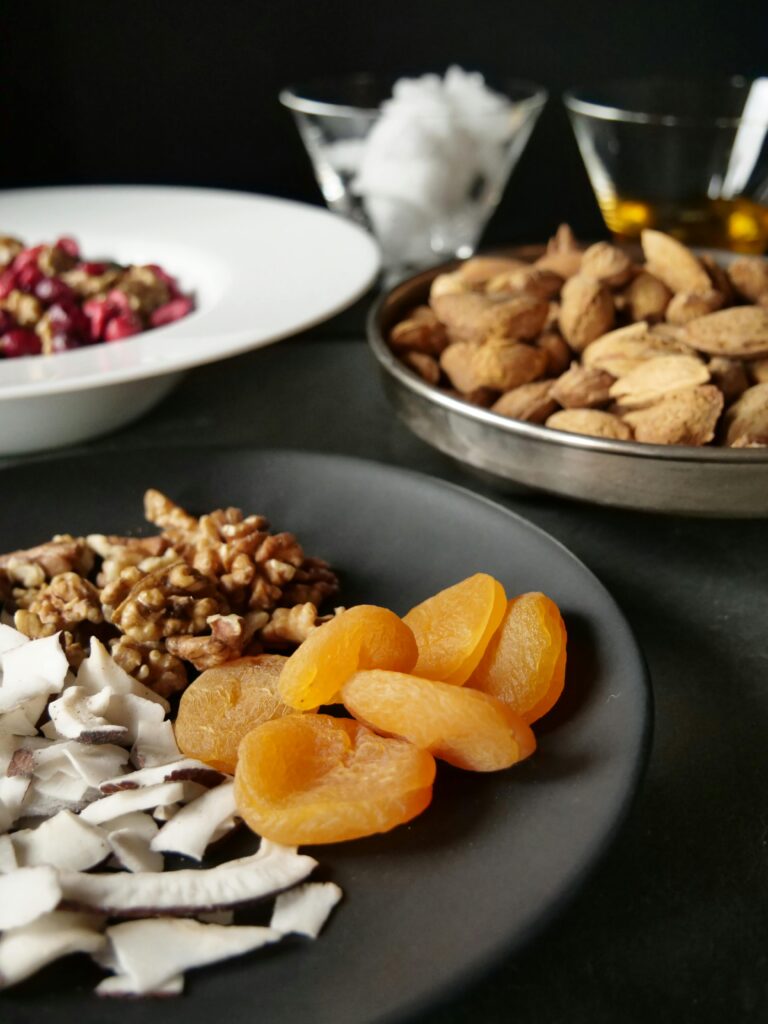
- Make a trail mix with other nuts and dried fruits
- Blend into smoothies or use as walnut butter
- Include in baked goods like muffins, bread, or cookies
12. Tips for Best Results
- Moderation is key: 7–10 walnuts daily is enough.
- Combine with a balanced diet: Pair with fruits, vegetables, and proteins.
- Store properly: Keep in a cool, dry place or refrigerate to preserve freshness.
- Listen to your body: Introduce gradually if not used to nuts.
13. Why Walnuts Are Perfect for Winter
| Winter Challenge | How Walnuts Help |
|---|---|
| Cold weather & low energy | Healthy fats provide warmth and energy |
| Seasonal illnesses | Boost immunity and protect cells |
| Dry skin and hair | Nutrients moisturize skin and strengthen hair |
| Sedentary lifestyle | Fiber and protein keep you full and energetic |
| Mental fatigue | Supports brain function and mood |
| Heart health | Reduces cholesterol and supports circulation |
Walnuts address multiple winter challenges, making them a complete seasonal superfood.
14. Sample Winter Meal Ideas with Walnuts
- Breakfast: Oatmeal with chopped walnuts, honey, and fruit
- Mid-morning snack: Handful of raw walnuts with tea
- Lunch: Salad with walnuts or walnut yogurt dressing
- Afternoon snack: Trail mix with walnuts and dried fruits
- Evening snack: Smoothie with walnuts, banana, and milk
- Pre-bedtime: Small portion of walnuts for healthy fats
15. Conclusion
Winter demands extra care for your body, mind, and energy levels. Walnuts are a natural solution to meet these needs. They provide warmth, sustained energy, immunity support, heart and brain protection, skin and hair nourishment, and digestive health.
Including just a handful of walnuts daily can make a significant difference in your winter health. Their taste, versatility, and rich nutrition make them the ultimate winter superfood.
Stay warm, healthy, and energized this winter by adding walnuts to your meals, snacks, and even desserts.


How to Remove a Virus from Android (Complete Guide 2026)

Spring/Summer 2026 Fashion Trends You Can Shop Now

How to Detect and Remove Spyware From an Android Phone 2026


-

 Blog8 months ago
Why ’90s Fashion Still Dominates Today’s Style Scene
-

 How-to Guides7 months ago
How to Screenshot on Mac: The Complete 2026 Guide
-

 How-to Guides8 months ago
How to Restore Pantone Colors in New Illustrator Versions (2026 Guide)
-

 Blog7 months ago
Reddit Politics in 2026: How Online Political Discourse Shapes Opinions
-

 Blog8 months ago
Top Fashion Trends to Follow in August 2025