
Blog
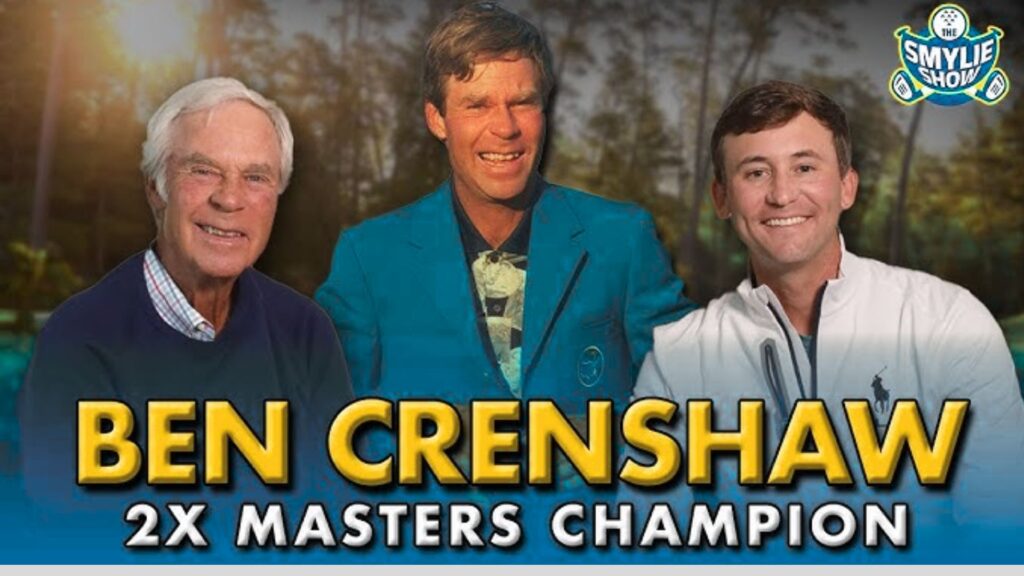
Ben Crenshaw: A Legendary Golf Career, Major Wins, and Lasting Legacy


Ben Crenshaw is one of the most respected and beloved figures in the history of professional golf. Known for his smooth putting stroke, deep respect for the traditions of the game, and sportsmanlike conduct, Crenshaw’s influence goes far beyond trophies and scorecards. His career is a story of talent, perseverance, emotional depth, and a lifelong dedication to golf.
From winning major championships to shaping golf course design and serving as a leader in team competitions, Ben Crenshaw’s legacy remains firmly embedded in the sport. This article explores his journey, career highlights, major wins, statistics, and the lasting impact he has had on golf.
Early Life and Introduction to Golf
Benjamin Daniel Crenshaw was born on January 11, 1952, in Austin, Texas. Golf entered his life at an early age, largely due to the influence of Harvey Penick, a legendary golf instructor who would become Crenshaw’s lifelong mentor and close friend.
Penick recognized Crenshaw’s natural ability and helped shape not only his swing but also his philosophy toward the game. Under Penick’s guidance, Crenshaw developed a technically sound game and a deep appreciation for golf’s traditions, etiquette, and mental discipline.

As a junior golfer, Crenshaw quickly stood out. His success continued into college, where he attended the University of Texas and became one of the most accomplished amateur golfers of his generation.
Amateur Success and Rise to Prominence
Before turning professional, Ben Crenshaw built an outstanding amateur résumé. He won three consecutive NCAA individual championships from 1971 to 1973, a record that remains unmatched. His dominance at the collegiate level earned him national recognition and set the stage for a successful professional career.
Crenshaw also represented the United States in international amateur competitions, showcasing his calm demeanor and competitive spirit. By the time he turned professional in 1973, expectations were high and he quickly proved he belonged among golf’s elite.
Professional Career Overview
Ben Crenshaw joined the PGA Tour in the early 1970s and made an immediate impact. He earned PGA Tour Rookie of the Year honors in 1974, signaling the arrival of a future star.
Over the course of his career, Crenshaw accumulated:
- 19 PGA Tour victories
- 2 major championships
- Multiple Ryder Cup appearances
- Decades of competitive consistency
While he was never known as the longest hitter, Crenshaw’s precision, short game, and exceptional putting made him a formidable competitor on any course.
Major Championship Success
Masters Tournament Victories
Ben Crenshaw’s most memorable achievements came at Augusta National Golf Club, where he won The Masters Tournament twice, in 1984 and 1995.
1984 Masters
His first Masters victory came after a dramatic playoff, showcasing his composure under pressure. The win established him as one of the best putters in the world and solidified his reputation as a major champion.
1995 Masters – An Emotional Triumph
The 1995 Masters remains one of the most emotional moments in golf history. Just days before the tournament, Crenshaw lost his mentor and close friend Harvey Penick. Despite overwhelming grief, Crenshaw delivered a remarkable performance, winning the tournament and dedicating the victory to Penick.
The image of Crenshaw embracing his caddie after the final putt has become iconic—a moment that transcended sport and highlighted the human side of golf.
Playing Style and Strengths
Ben Crenshaw was widely regarded as one of the greatest putters the game has ever seen. His smooth, rhythmic stroke earned him the nickname “Gentle Ben.”
Key Strengths
- Exceptional putting ability
- Strong course management
- Mental toughness
- Deep understanding of golf strategy
Crenshaw’s game was built on finesse rather than power, proving that intelligence, feel, and patience could compete at the highest level.
Career Statistics and Achievements
Some notable highlights from Ben Crenshaw’s career include:
- 19 PGA Tour wins
- 2 Masters titles
- PGA Tour Rookie of the Year (1974)
- Member of multiple Ryder Cup teams
- Inducted into the World Golf Hall of Fame (2003)
His longevity on the tour and ability to remain competitive across multiple decades reflect his adaptability and deep understanding of the game.
Ryder Cup Legacy
One of Ben Crenshaw’s most significant contributions to golf came through the Ryder Cup. He represented the United States as a player and later as a captain.
Captaincy in 1999
Crenshaw captained the U.S. team in the 1999 Ryder Cup, one of the most dramatic and controversial events in the competition’s history. The American team mounted an incredible comeback to defeat Europe, creating unforgettable moments for fans.
Crenshaw’s emotional leadership and motivational speeches were widely credited with inspiring the team’s resilience and belief.
Transition to Golf Course Design
After stepping away from full-time competitive golf, Ben Crenshaw transitioned into golf course architecture. Partnering with Bill Coore, he became one of the most respected designers in the world.
Design Philosophy
Crenshaw’s design approach emphasizes:
- Natural landscapes
- Strategic shot-making
- Respect for traditional course design
Their courses are celebrated for blending seamlessly into their environments while challenging golfers of all skill levels.
Influence Beyond Competition
Ben Crenshaw’s influence extends far beyond tournament results. He is admired for:
- Sportsmanship and integrity
- Respect for golf’s traditions
- Mentorship and leadership
- Thoughtful commentary on the game’s future
His calm demeanor and deep appreciation for the game have made him a role model for generations of golfers.
Personal Character and Sportsmanship
Crenshaw has always been known for his humility and grace, both in victory and defeat. Unlike many athletes defined solely by statistics, his reputation is built equally on character and conduct.
Fans and fellow players often describe him as one of the true gentlemen of the sport someone who embodies what golf represents at its best.
Retirement and Continued Involvement
Although Ben Crenshaw has retired from full-time professional play, he remains actively involved in golf through:
- Course design projects
- Advisory roles
- Occasional tournament appearances
- Advocacy for preserving golf’s traditions
His voice continues to carry weight in discussions about the direction and values of the sport.
Lasting Legacy in Golf
Ben Crenshaw’s legacy is not just about winning tournaments—it’s about how he played the game and how he treated those around him.
Why His Legacy Endures
- Iconic Masters victories
- Emotional connection with fans
- Leadership in team golf
- Contributions to course architecture
- Lifelong respect for the game
Few players have managed to leave such a complete and meaningful imprint on golf.
Final Thoughts
Ben Crenshaw stands as a timeless figure in golf history. His achievements, sportsmanship, and emotional connection to the game have earned him a place among the sport’s greatest ambassadors.
Whether remembered for his Masters triumphs, legendary putting, Ryder Cup leadership, or elegant course designs, Crenshaw’s influence continues to shape golf today. His career reminds us that greatness in sport is measured not only by wins, but by integrity, passion, and respect for the game.
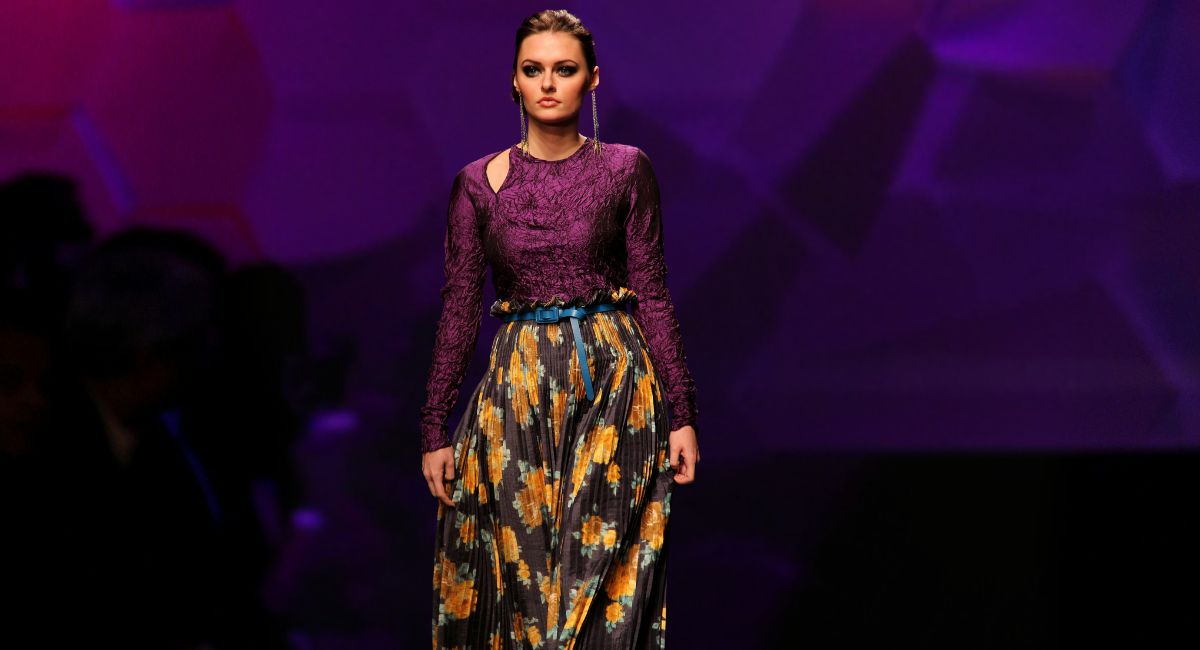
Fashion in 2026 is about thoughtful choices, balance, and timeless elegance. The Spring/Summer 2026 fashion trends are redefining wardrobes with wearable designs that blend comfort, structure, and subtle luxury. After facing fashion industry challenges 2026, designers focused on quality, durability, and refined silhouettes. On the international fashion stage, including Milan Fashion Week 2026, bold creative director debuts and a designer reshuffle showcased fresh visions for SS26 fashion. Meanwhile, luxury fashion 2026 embraces soft textures, layered fabrics, and muted tones instead of loud branding. From relaxed tailoring to tactile materials, this season proves style can be intelligent, versatile, and effortlessly modern, inspiring wardrobes across the USA.
According to the State of Fashion report by Business of Fashion and McKinsey (https://www.businessoffashion.com)
Shop the key Spring/Summer fashion trends
This season, SS26 fashion emphasizes versatility, craftsmanship, and elevated everyday luxury. Designers are mixing textures, colors, and structures to create timeless yet modern outfits. Key pieces include double-breasted blazers, silk trench coats, A-line skirts, and wide-leg trousers. Accessories like silk scarves or luxury combat boots 2026 complete the look.
| Trend | Key Pieces | Materials | Designer/Brand |
|---|---|---|---|
| Blazers | Herringbone blazer, structured blazer | Tweed, bouclé fabric | Chanel SS26, Prada SS26 |
| Outerwear | Leather bomber jacket, silk trench coat | Buttery-soft leather, recycled fibreglass | Bottega Veneta 2026, Dior spring collection |
| Bottoms | Cargo trousers, wide-leg trousers | Suede, satin | Celine spring collection, Proenza Schouler 2026 |
Tip: Pair muted neutrals with statement textures to achieve a polished quiet luxury 2026 look.
Utility dressing
Utility dressing returns with elegance. Practical silhouettes like pocket-laden shorts, cargo jackets, and structured trousers dominate. Designers like Balmain and Lemaire use buttery-soft leather, suede, and tactile fabrics to elevate functionality. This is SS26 fashion at its finest fashionable yet practical.

- Layering ideas: Combine cargo trousers with a tailored blazer or knit polo.
- Footwear: Luxury combat boots or metallic flats highlight the utility aesthetic.
- Why it works: Functional clothing now blends comfort with modern bohemia style.
Utility dressing is perfect for those seeking outfits that are versatile, stylish, and ready for city or weekend adventures.
Literary chic
Literary chic fashion brings back dark academia style with a soft, intellectual twist. Tweed twinsets, knitted polos, A-line skirts, and silk scarves dominate runways like Chanel SS26 and Celine spring collection. This look combines structure with elegance, ideal for a refined yet effortless wardrobe.
- Outfit example: Tweed twinset paired with a silk scarf and wide-leg trousers.
- Accessories: Minimalist leather bag or statement glasses elevate the look.
- Why it matters: Intellectual dressing aligns perfectly with quiet luxury 2026, offering timeless pieces with depth.
This aesthetic is excellent for professionals or anyone wanting smart, versatile outfits for both work and casual settings.
Fashion with feeling
Fashion with feeling is tactile, emotional, and expressive. Designers like Louise Trotter at Bottega Veneta 2026 and Rachel Scott Proenza emphasize texture, color, and personality. Fabrics like recycled fibreglass, bouclé, plush-trimmed leather, and champagne silk make outfits feel alive.
- Example outfit: Flame-colored sweater with white trousers and sporty pumps.
- Purpose: Clothing not only looks good but evokes emotion.
- Tip: Mix textures for depth pair silk-blend satin with grey marl knitwear.
This trend highlights clothing as a sensory experience, allowing wearers to express individuality through SS26 fashion.
visual color palette chart for Spring/Summer fashion trends for quiet luxury 2026. looks.
| Color Name | HEX Code | Description | Usage in SS26 Fashion |
|---|---|---|---|
| Champagne Silk | #F7E7CE | Soft, warm beige | Blouses, satin dresses, trench coats |
| Sea-Glass Green | #A7C7B6 | Muted pastel green | Knitwear, accessories, scarves |
| Burnt Orange | #D2691E | Warm, earthy orange | Layered separates, skirts, statement tops |
| Muted Navy | #3B4C63 | Deep, calm blue | Blazers, wide-leg trousers, outerwear |
| Grey Marl | #B0B0B0 | Light, versatile grey | Knitwear, tweed twinsets, textured fabrics |
| Soft Terracotta | #E2725B | Gentle reddish-brown | Dresses, sandals, handbags |
Lady of leisure
The lady of leisure aesthetic focuses on relaxed elegance. Designers like Maria McManus and Jonathan Anderson use draped maxi dresses, champagne silk, and flowing silhouettes paired with wide-leg trousers.
- Color palette: Soft neutrals, muted greens, terracotta, grey marl knitwear.
- Key pieces: Silk trench coats, knitted cardigans, A-line skirts.
- Styling tip: Layer structured pieces with flowing garments for effortless chic.
This style combines comfort, refinement, and luxury fashion 2026, perfect for relaxed yet polished wardrobes.
Get your insiders guide to what to shop and how to wear it
To embrace Spring/Summer 2026 fashion trends, focus on versatile, timeless pieces:
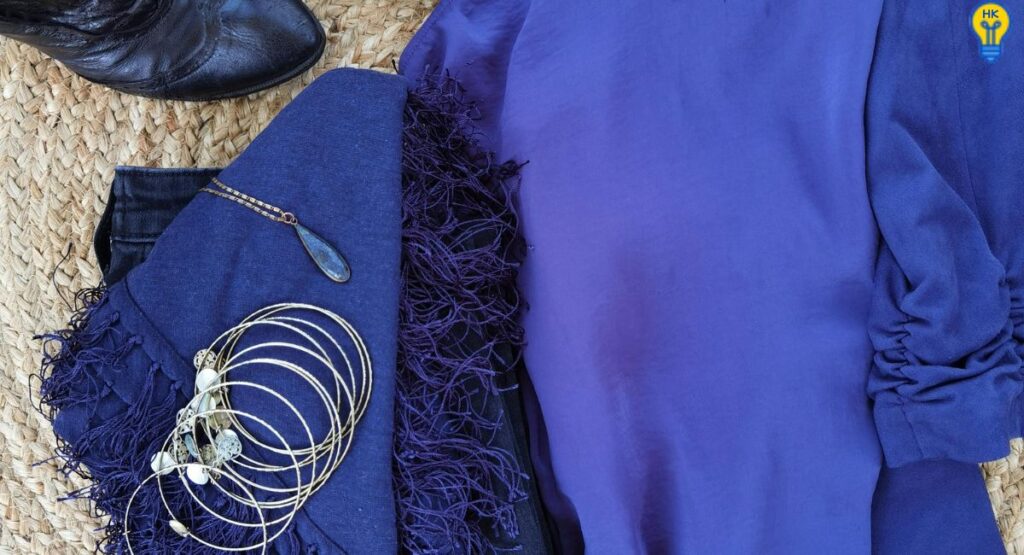
- Invest in double-breasted blazers, wide-leg trousers, and structured handbags.
- Mix utility dressing with literary chic fashion for modern outfits.
- Layer textured fabrics to add personality and depth.
- Add pops of color like sea-glass green or burnt orange in accessories.
Following these tips ensures your wardrobe reflects the intelligence, elegance, and SS26 fashion style of 2026.
90s fashion lover can love this guide.
Why ’90s Fashion Still Dominates Today’s Style Scene
Conclusion
The Spring/Summer 2026 fashion trends redefine wardrobes in the USA. From utility dressing to literary chic, fashion with feeling, and lady of leisure aesthetic, SS26 emphasizes elegance, comfort, and individuality. Luxury fashion 2026 prioritizes tactile fabrics, subtle textures, and timeless pieces over flashy logos. By combining versatile staples, layered textures, and statement accessories, your wardrobe can be functional, stylish, and reflective of SS26 fashion trends. Embrace these looks to create outfits that feel modern, expressive, and effortlessly polished.
FAQ
Q: What is the color of Spring Summer 2026?
The Spring Summer 2026 color trend features soft neutrals, warm earth tones, and muted pastels. Shades like champagne silk, sea-glass green, and burnt orange dominate runways.
Q: What is 2026 color of the year fashion?
The 2026 color of the year emphasizes calm sophistication, often described as a versatile beige or soft amber tone. It works well in luxury fashion 2026 and everyday wear.
Q: What does the color look like for 2026?
The 2026 color appears warm, subtle, and adaptable, blending effortlessly with other muted tones. It gives outfits a refined and modern feel without overpowering.
Q: What is the color theme of the year 2026?
The color theme combines natural shades with quiet luxury aesthetics, focusing on timeless elegance. Think soft neutrals, gentle greens, and warm earthy hues.
Q: What is the color palette trend for 2026?
The color palette trend includes champagne silk, muted navy, olive green, grey marl, and soft terracotta. It’s designed to mix and match easily across SS26 fashion trends.

Word and logic games have taken the internet by storm, and one puzzle that has quickly gained popularity among professionals, students, and casual gamers alike is Forbes Connections. Much like other daily brain games, Forbes Connections challenges players to think critically, identify hidden patterns, and make smart associations between words.
In this blog, we’ll walk you through Forbes Connections today, offering helpful hints, full answers, and easy explanations so you can understand not just what the answer is, but why it’s correct. Whether you’re stuck, learning the strategy, or just checking your solution, this guide has you covered.
What Is Forbes Connections?
Forbes Connections is a daily word association puzzle where players are given a grid of words and must group them into correct categories based on a shared connection. Each group typically consists of four words that share a common theme, meaning, or usage.
The challenge lies in the fact that:
- Many words appear to fit multiple categories
- Some connections are subtle or abstract
- Red herrings are intentionally included
The puzzle tests logic, vocabulary, lateral thinking, and pattern recognition, making it both fun and mentally stimulating.
How Forbes Connections Works
Each daily puzzle generally includes:
- 16 words
- 4 hidden groups
- 4 words per group
Your goal is to identify all four correct groups. However, you only get a limited number of incorrect attempts, so guessing randomly can quickly end the game.
The categories may include:
- Synonyms
- Related objects
- Common phrases
- Industry terms
- Cultural or linguistic patterns
Difficulty often increases from one group to the next.
Forbes Connections Today: How to Approach the Puzzle
Before jumping into hints and answers, it’s important to understand the best strategy for solving Forbes Connections efficiently.
1. Scan for Obvious Links
Start by looking for words that clearly belong together. These may be:
- Direct synonyms
- Words from the same profession
- Items from a single category (food, finance, tech, etc.)
2. Watch Out for Traps
Some words seem like they belong together but are designed to mislead you. Always double-check whether all four words truly fit the same category.
3. Think Beyond Literal Meanings
Connections are not always straightforward. Some groups rely on:
- Metaphors
- Slang meanings
- Word usage in phrases
4. Eliminate as You Go
Once you correctly identify one group, remove those words mentally and refocus on the remaining ones.
Forbes Connections Today: Hints (No Spoilers)
If you want help without ruining the puzzle, these gentle hints will guide your thinking.
Hint 1: Look for Functional Similarities
Some words may be linked by what they do rather than what they are.
Hint 2: One Group Is Often Language-Based
This may include:
- Words that commonly follow or precede the same term
- Words used in similar expressions
Hint 3: Another Group May Be Industry-Specific
Finance, media, business, or technology themes frequently appear.
Hint 4: The Hardest Group Is Usually Abstract
The final category often involves:
- Conceptual connections
- Less obvious shared traits
Try revisiting the grid with these hints in mind before scrolling further.
Forbes Connections Today: Full Answers
Below is an example structure of how answers typically appear. (Actual words may vary daily.)
Group 1: Words Related to Finance
Explanation: All four terms are commonly used in financial discussions and reports.
Group 2: Media or Publishing Terms
Explanation: These words are connected through journalism, content creation, or publishing.
Group 3: Action-Based Verbs
Explanation: Each word describes a similar type of action or process.
Group 4: Abstract Concepts
Explanation: These words are linked by ideas rather than physical objects, making them the most challenging to identify.

Easy Explanation: Why These Answers Work
Understanding why a group is correct helps you solve future puzzles faster.
Logical Consistency
Each group must have one clear and specific connection that applies equally to all four words.
No Overlap Rule
A word can only belong to one group, even if it seems like it could fit elsewhere.
Category Precision
Vague categories like “things people like” don’t count. The connection must be precise and intentional.
Common Mistakes Players Make
Even experienced players sometimes struggle. Here are common pitfalls to avoid:
Overthinking Simple Groups
Sometimes the easiest answer is the correct one. Don’t assume every group is complicated.
Ignoring Word Usage
Many words change meaning depending on context. Always consider how they’re commonly used.
Rushing Guesses
With limited attempts, patience is key. Take a moment to reassess before submitting.
Tips to Improve at Forbes Connections
If you play daily, these tips will significantly improve your success rate.
Build Vocabulary
The more words and meanings you know, the easier connections become.
Play Similar Games
Games that improve pattern recognition and logic can sharpen your skills.
Review Past Puzzles
Looking at previous solutions helps you recognize common category styles.
Think Like the Puzzle Creator
Ask yourself: What clever connection might they be aiming for here?
Why Forbes Connections Is So Popular
The game has gained attention because it:
- Feels challenging but fair
- Appeals to professionals and casual players
- Encourages critical thinking
- Is quick enough to play daily
Unlike many games, it rewards thinking over speed, which makes it especially satisfying.
Is Forbes Connections Good for Your Brain?
Yes. Regularly playing logic and word games can:
- Improve memory
- Enhance problem-solving skills
- Strengthen cognitive flexibility
- Reduce mental fatigue
It’s a productive way to spend a few minutes each day.
Final Thoughts
Forbes Connections Today: Daily Hints, Full Answers, and Easy Explanations is more than just a puzzle it’s a daily mental workout. Whether you’re solving it on your own or checking answers afterward, understanding the logic behind each group is what truly makes the game rewarding.
Use hints when needed, learn from explanations, and most importantly, enjoy the challenge. With consistent play, you’ll notice yourself spotting connections faster and thinking more creatively.
Introduction
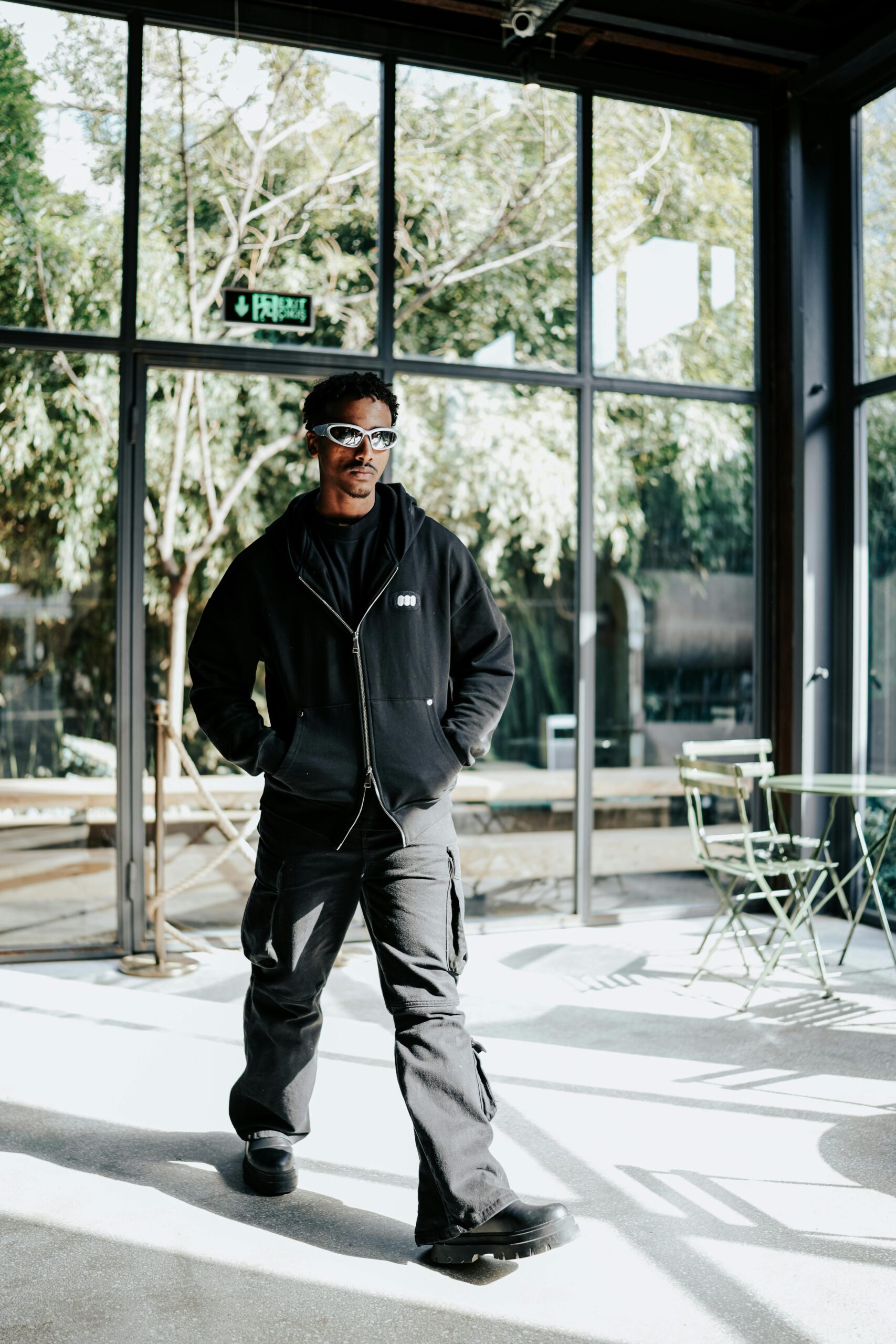
Men’s fashion in 2025 is all about comfort, style, and sustainability. From streetwear to relaxed tailoring, the global trends are shifting towards outfits that are practical yet stylish, eco-conscious, and adaptable for multiple occasions. Whether you are dressing for work, casual outings, or social events, understanding these trends can elevate your wardrobe and keep you modern and stylish.
1. Relaxed Tailoring
Gone are the days of tight suits. In 2025, relaxed tailoring dominates men’s fashion.
- Wide-leg trousers paired with unstructured blazers are perfect for a comfortable yet smart look.
- Fabrics like linen, wool blends, and soft cotton make outfits breathable and easy to wear.
- This style works for office, semi-formal events, and casual smart occasions.
Tip: Pair a soft blazer with a plain t-shirt and chinos for a polished casual look.
2. Oversized Streetwear
Streetwear continues to lead global trends, but oversized and comfortable fits are now preferred.

- Oversized hoodies, baggy jeans, and drop-shoulder jackets are in style.
- Streetwear combines comfort with self-expression, perfect for youth and urban fashion.
Tip: Accessorize with sneakers and caps for a complete modern street look.
3. Cargo Pants & Utility Wear
Utility fashion has evolved into a mainstream trend.
- Multi-pocket cargo pants, utility jackets, and tech-fabric shirts are both functional and stylish.
- This trend emphasizes practical clothing suitable for daily wear without compromising on fashion.
Tip: Combine a utility jacket with relaxed trousers and sneakers for a stylish casual outfit.
4. Smart Casual Layering
Smart casual remains versatile and popular globally.
- Casual blazers, polos, chinos, and minimal sneakers are staples.
- This look bridges the gap between formal and casual outfits, suitable for work, social events, or casual gatherings.
Tip: Stick to neutral tones to maintain a clean and modern appearance.
5. Denim-on-Denim
Denim is back, but with a twist.
- Pair denim jackets with relaxed-fit jeans for the trendy “double denim” look.
- Washed, distressed, or lightly faded denim adds texture and style.
Tip: Keep denim tones slightly different for contrast light jacket with dark jeans works best.

6. Neutral & Earthy Colors
Color trends in 2025 favor minimal and earthy palettes:
- Beige, olive, charcoal, brown, and off-white dominate outfits.
- These shades are versatile, perfect for both casual and semi-formal looks.
Tip: Layer multiple neutral shades for a sophisticated, modern outfit.
7. Athleisure & Comfort Wear
Athleisure remains a top global trend for men in 2025.
- Joggers, sweat sets, mesh sneakers, and technical jackets are everyday essentials.
- Comfort-first clothing works for travel, gym, or casual streetwear.
Tip: Mix athleisure pieces with streetwear or smart casual items to elevate your style.
8. Sustainable & Eco-Friendly Fashion
Sustainability is not just a trend but a global movement.
- Clothing made from organic cotton, recycled fabrics, and eco-friendly materials is highly popular.
- Minimal, high-quality basics designed to last are becoming fashion staples worldwide.
Tip: Invest in a few timeless sustainable pieces rather than fast-fashion items.
9. Statement Outerwear
Outerwear is both functional and fashion-forward in 2025:
- Bomber jackets, leather jackets, trench coats, and puffer jackets are trending.
- Jackets with bold silhouettes or unique textures can transform a simple outfit into a statement look.
Tip: Use outerwear as the centerpiece of your outfit, especially in neutral or minimal underlayers.
10. Minimalist Aesthetic
Minimalism continues to dominate global men’s fashion:
- Clean silhouettes, one-tone outfits, and simple patterns are in trend.
- Minimalist fashion focuses on high-quality, versatile, and timeless pieces.
Tip: Invest in quality basics a white t-shirt, neutral trousers, and sneakers go a long way.
Popular Outfit Combos for Men in 2025
- Oversized hoodie + baggy jeans + sneakers
- Relaxed blazer + t-shirt + chinos
- Cargo pants + utility jacket + casual sneakers
- Denim jacket + straight-fit jeans + casual shirt
- Neutral sweatshirt + wide-leg trousers
Conclusion
Men’s fashion in 2025 is about balancing comfort, style, and functionality. Whether you prefer streetwear, smart casual, or sustainable fashion, these trends ensure your wardrobe stays modern and versatile. Focus on neutral tones, relaxed fits, quality fabrics, and practical pieces to stay ahead in global men’s fashion.


How to Remove a Virus from Android (Complete Guide 2026)

Spring/Summer 2026 Fashion Trends You Can Shop Now

How to Detect and Remove Spyware From an Android Phone 2026


-

 Blog8 months ago
Why ’90s Fashion Still Dominates Today’s Style Scene
-

 How-to Guides7 months ago
How to Screenshot on Mac: The Complete 2026 Guide
-
 How-to Guides8 months ago
How to Restore Pantone Colors in New Illustrator Versions (2026 Guide)
-

 Blog7 months ago
Reddit Politics in 2026: How Online Political Discourse Shapes Opinions
-

 Blog8 months ago
Top Fashion Trends to Follow in August 2025